
Art & Architecture
Summer Semester Assignment 2019 “Housing for Singles & Families”
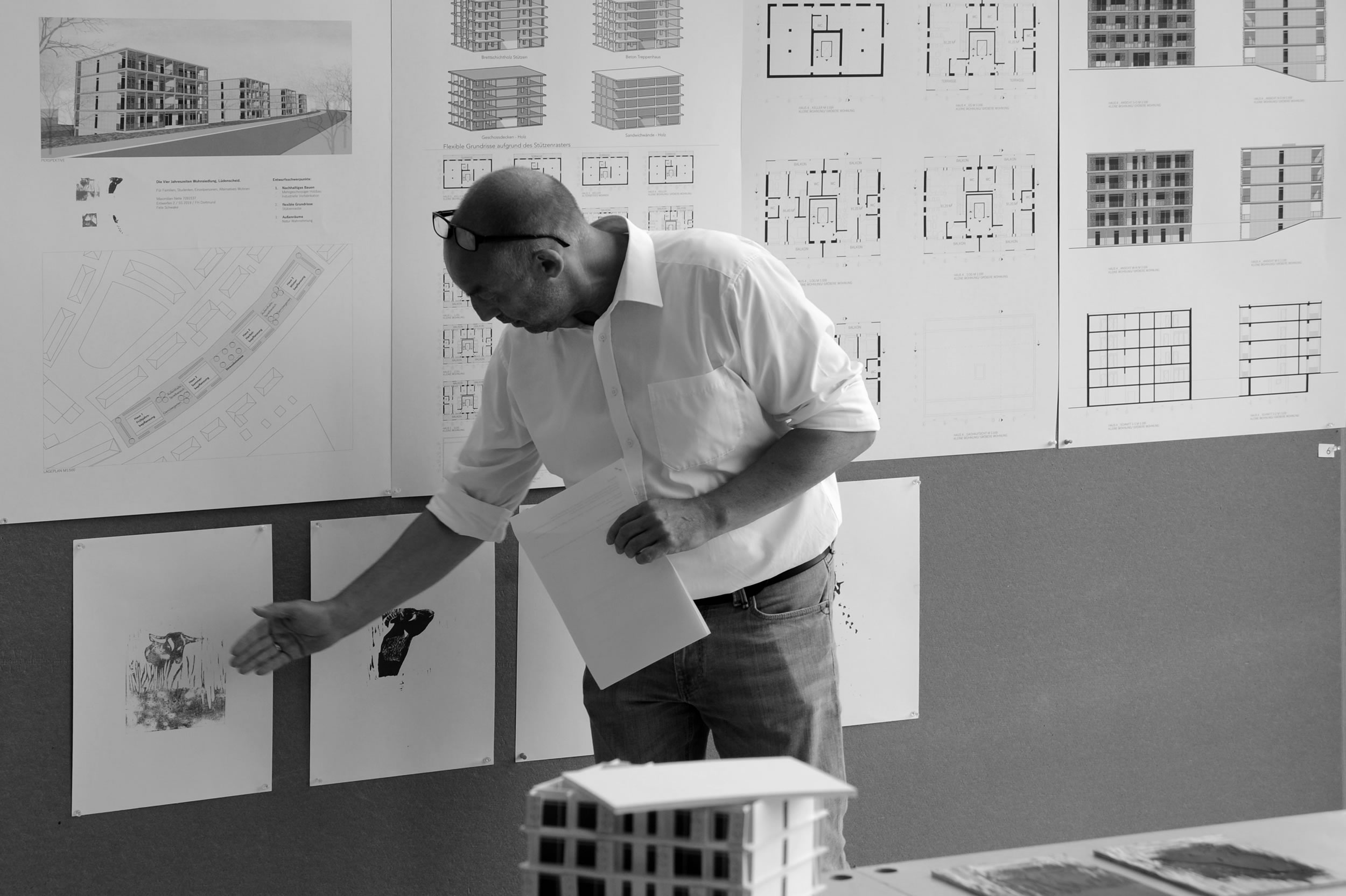
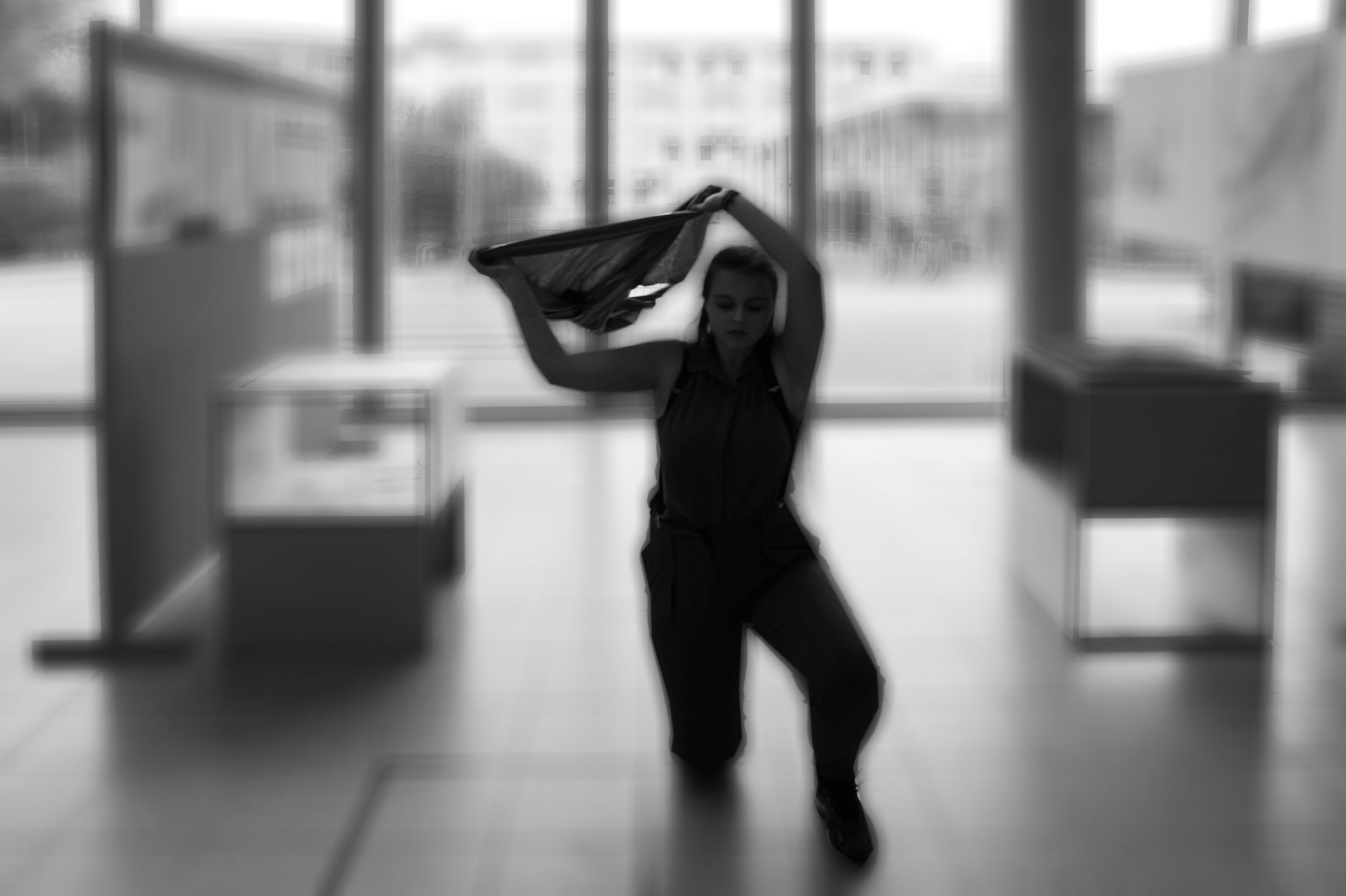
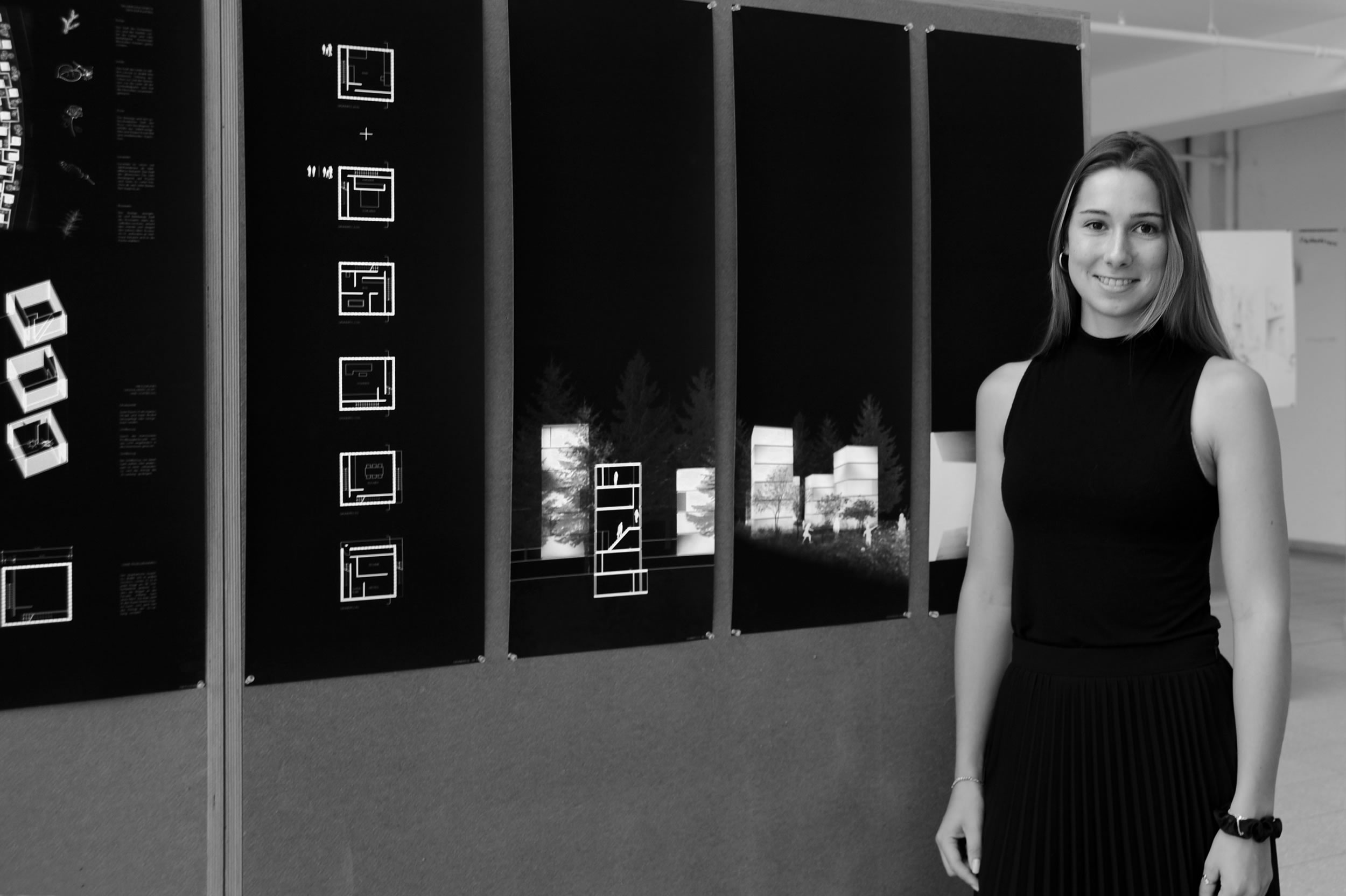
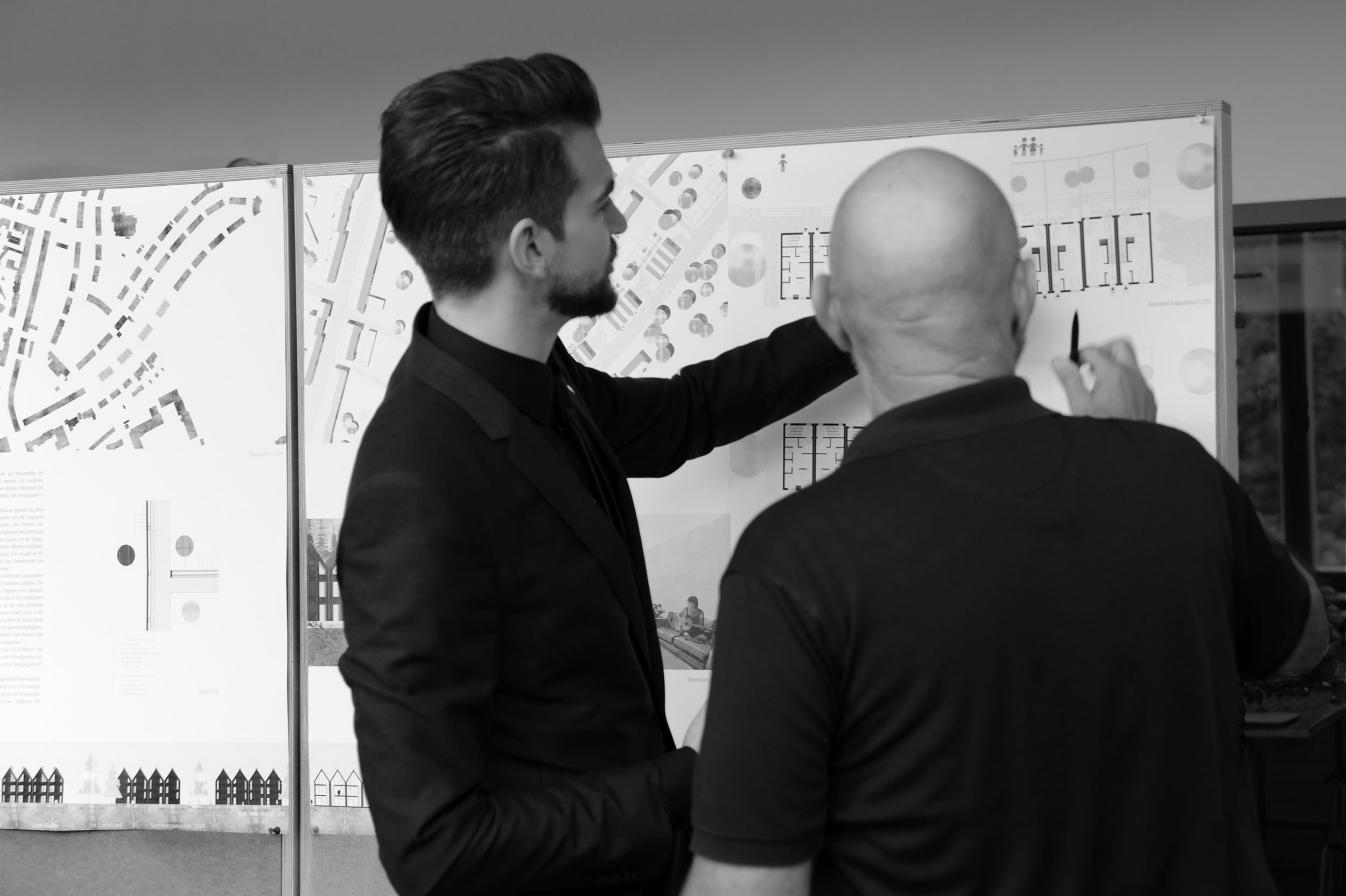
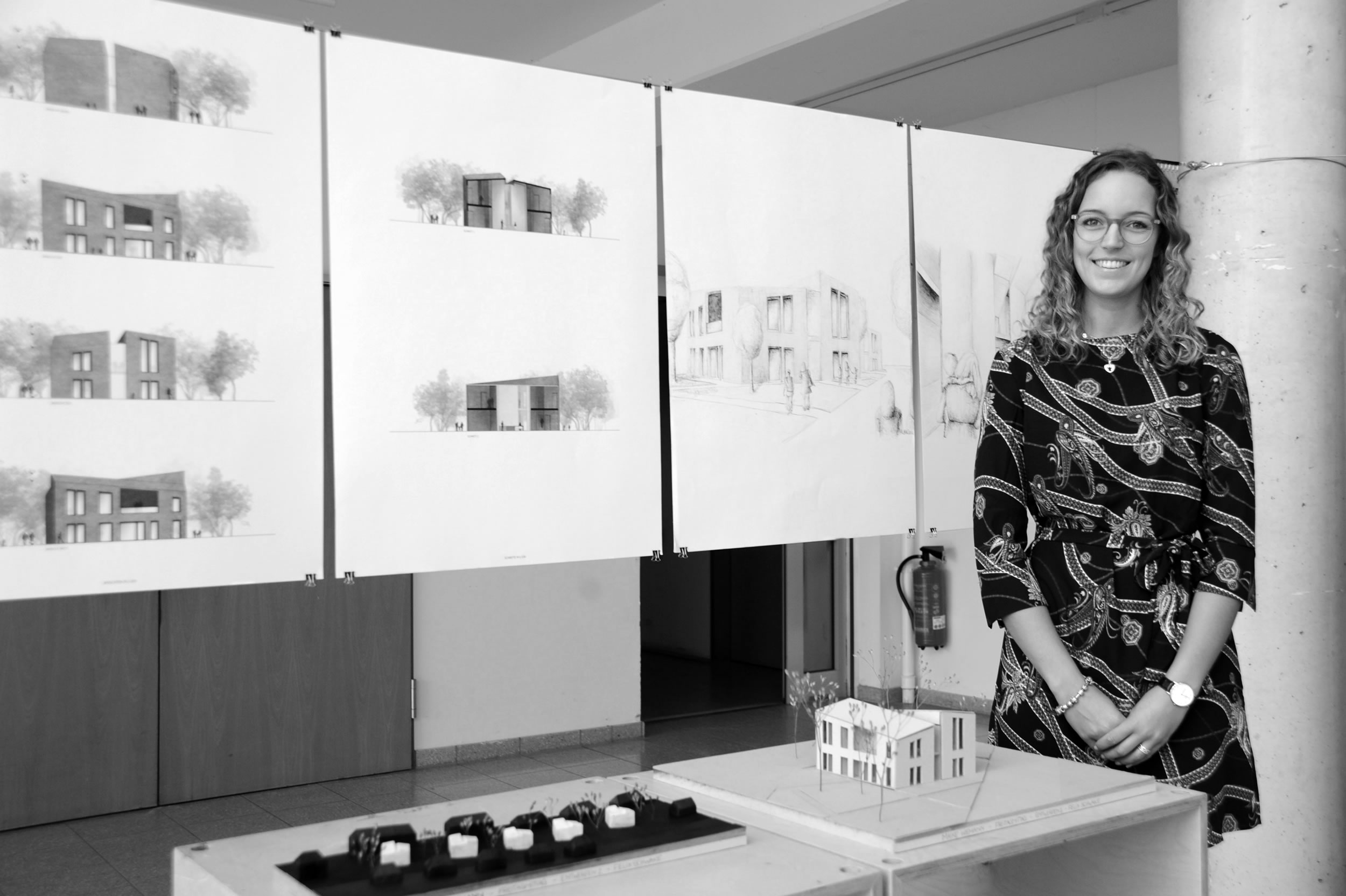
As part of the course “Design Studio 2” in the Department of Architecture at FH Dortmund, students explored how architecture can spatially enable particular human moments.
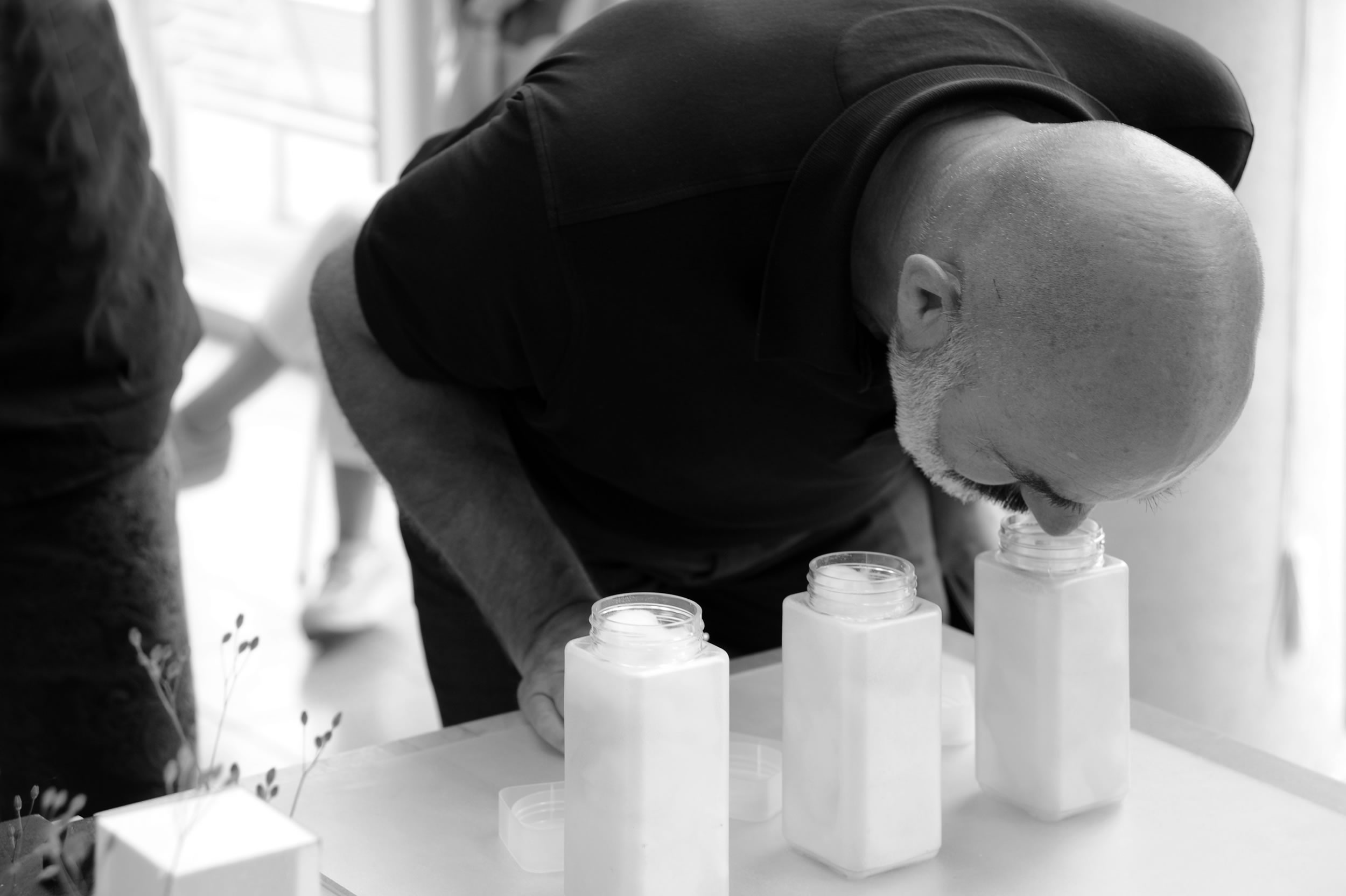
The starting point of the assignment was an engagement with atmosphere as a central architectural theme. Inspired by descriptions of spatial perception in the work of Peter Zumthor, architecture was not understood solely as a functional organisation of space, but as a conscious composition of situations, light, materiality, and social life.
The central question was: How does a special moment arise? And how can architecture create conditions that enable such moments?
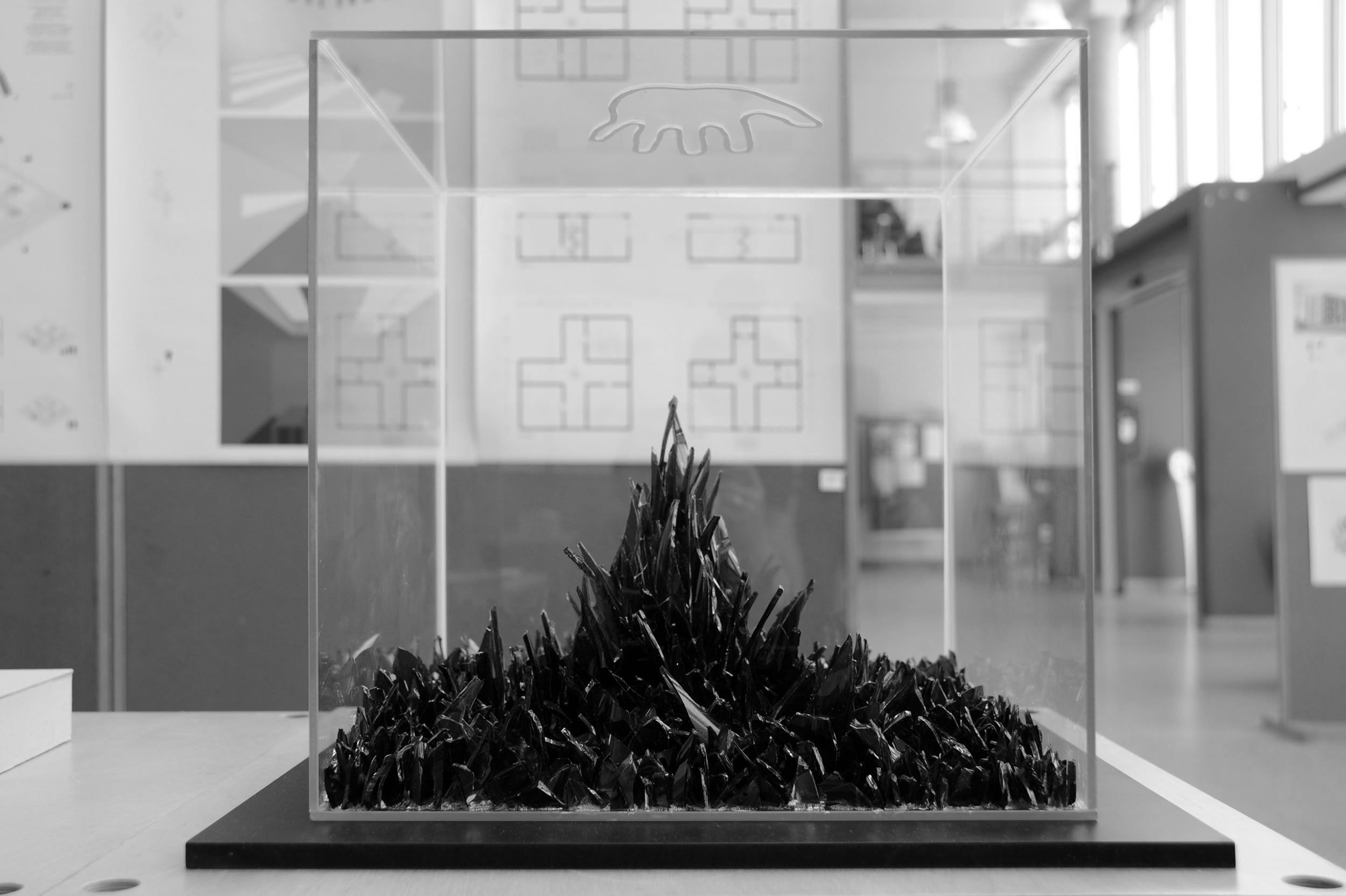
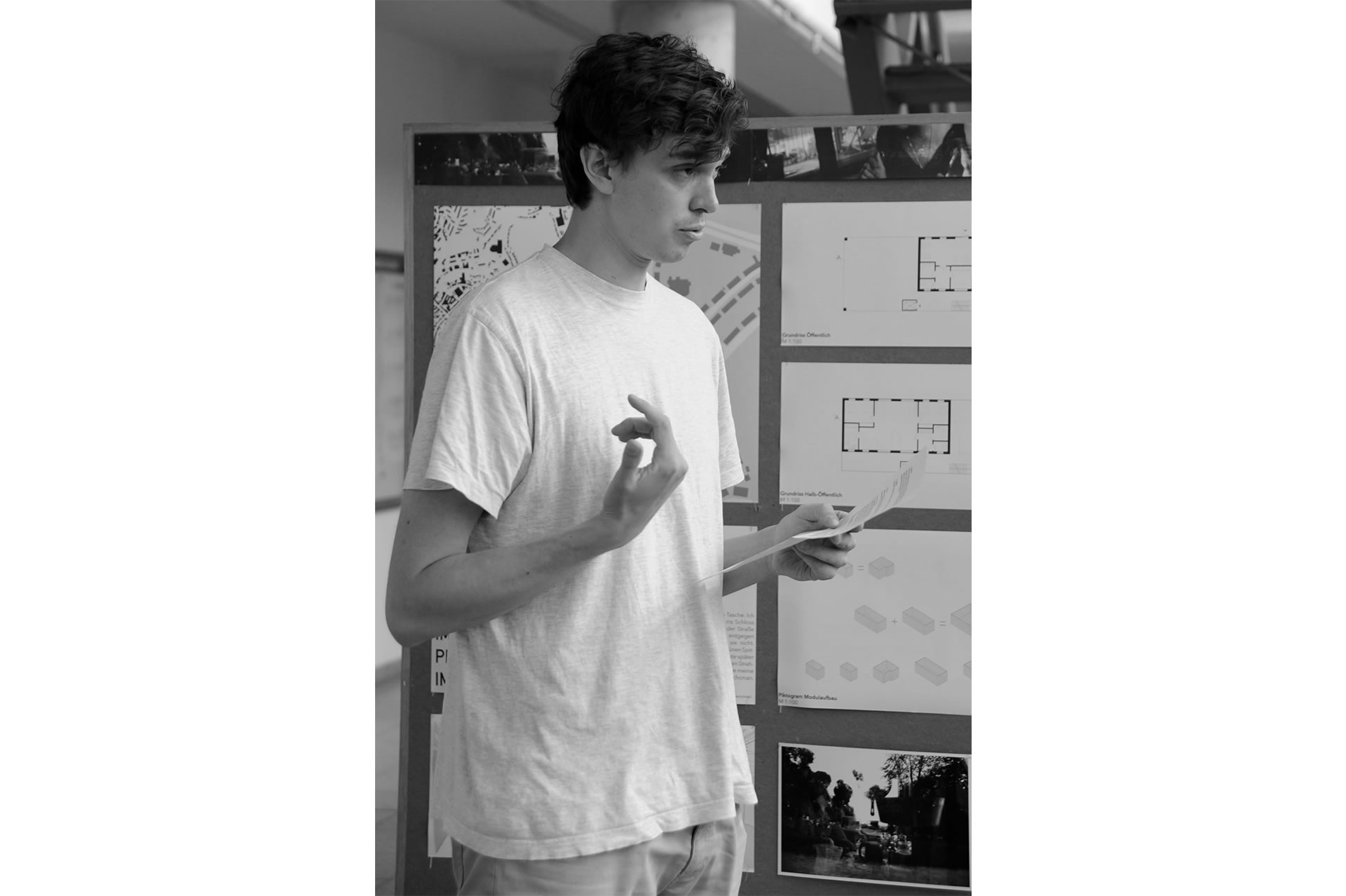
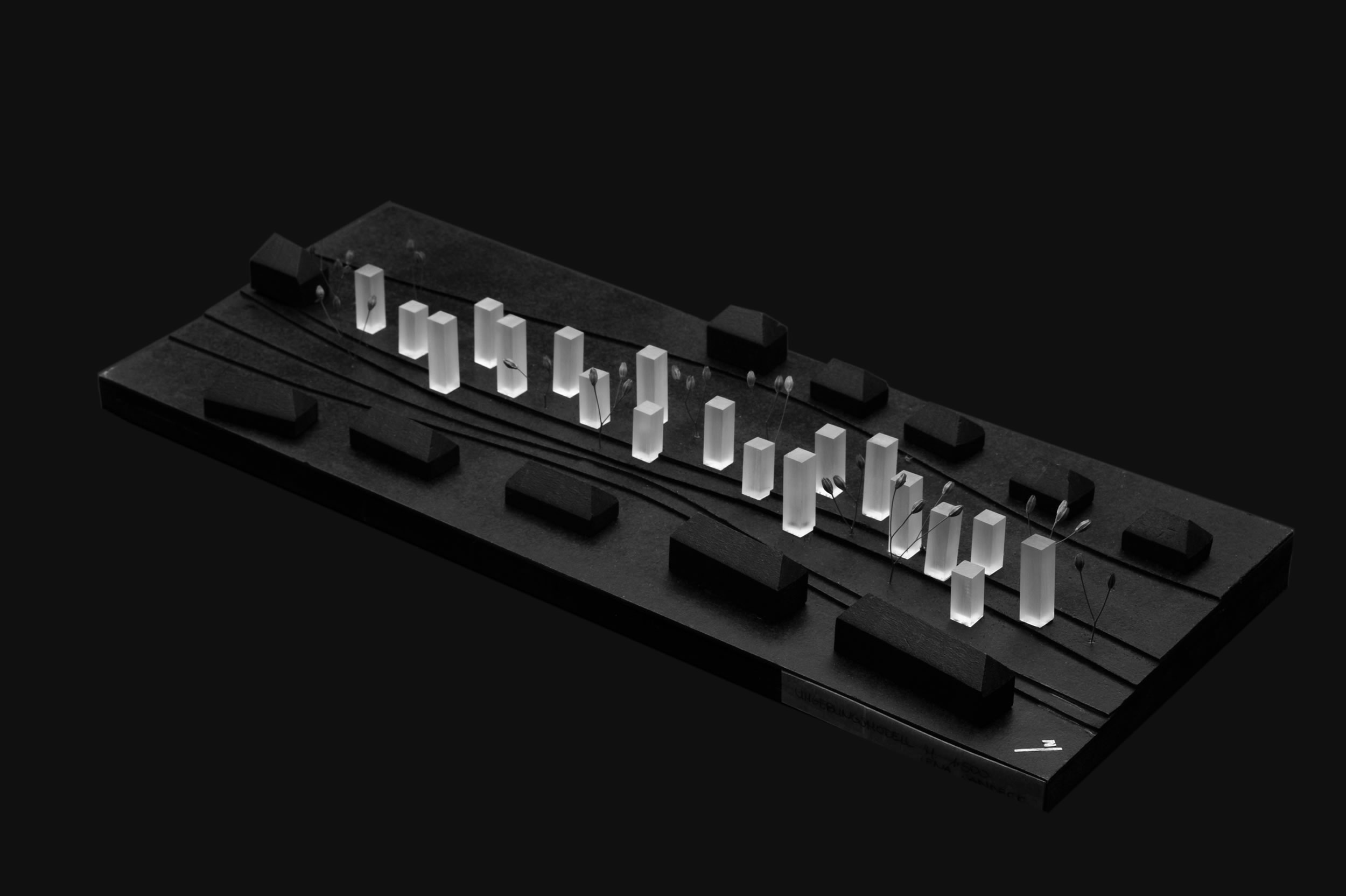
The semester assignment developed a deliberately interdisciplinary design process. Students were first asked to formulate a personal special moment in language—in prose, verse, or poetic description. This moment was then translated into material form using means of visual art. Only through the combination of language, art, and atmosphere did the architectural design for residential housing in Lüdenscheid emerge.
The task thus followed an attitude that does not understand architecture as mere formal production. Spaces emerge from perception, memory, atmosphere, and social responsibility. Architecture becomes a spatial transmitter capable of enabling specific experiences and forms of coexistence.
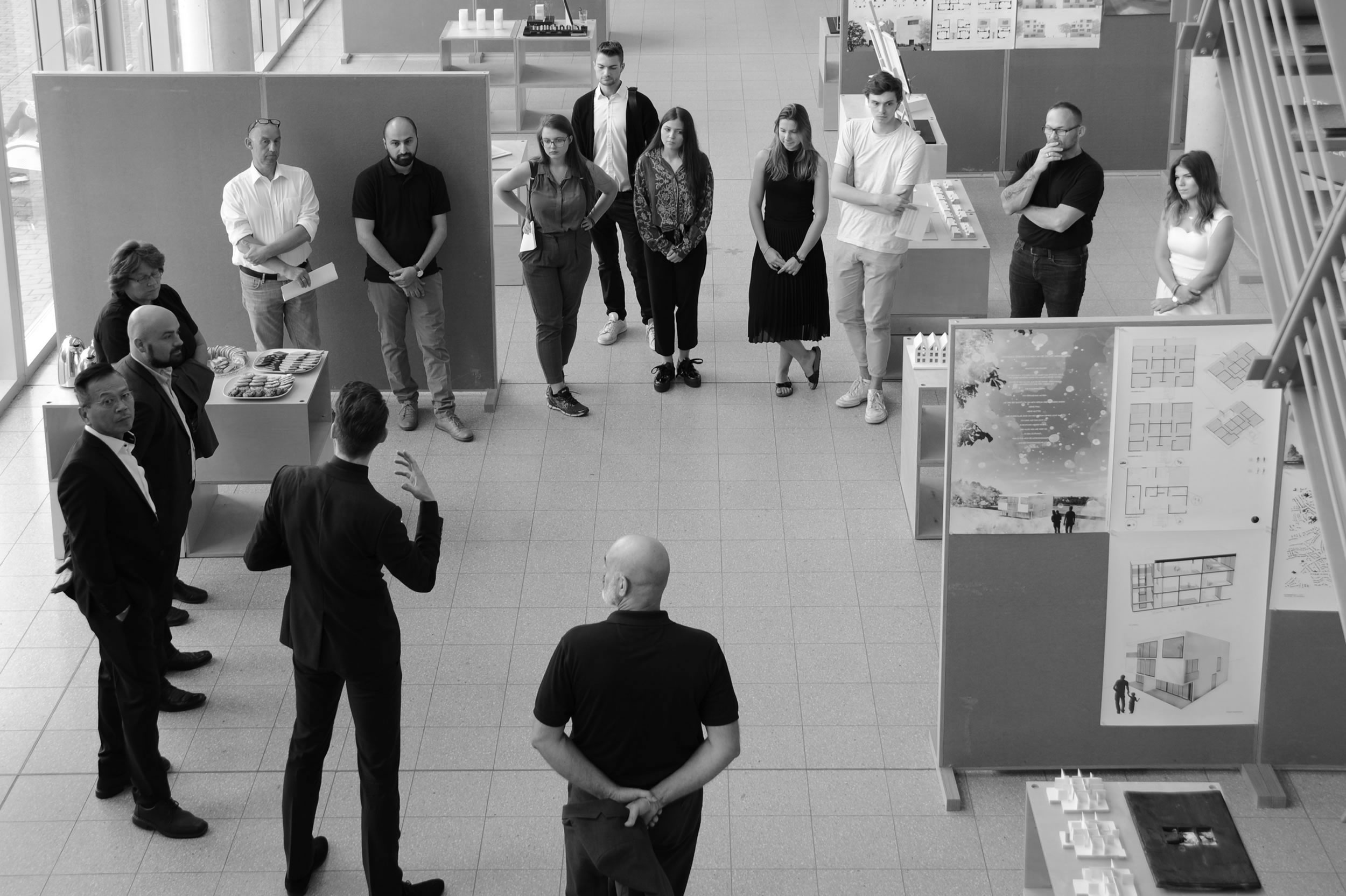
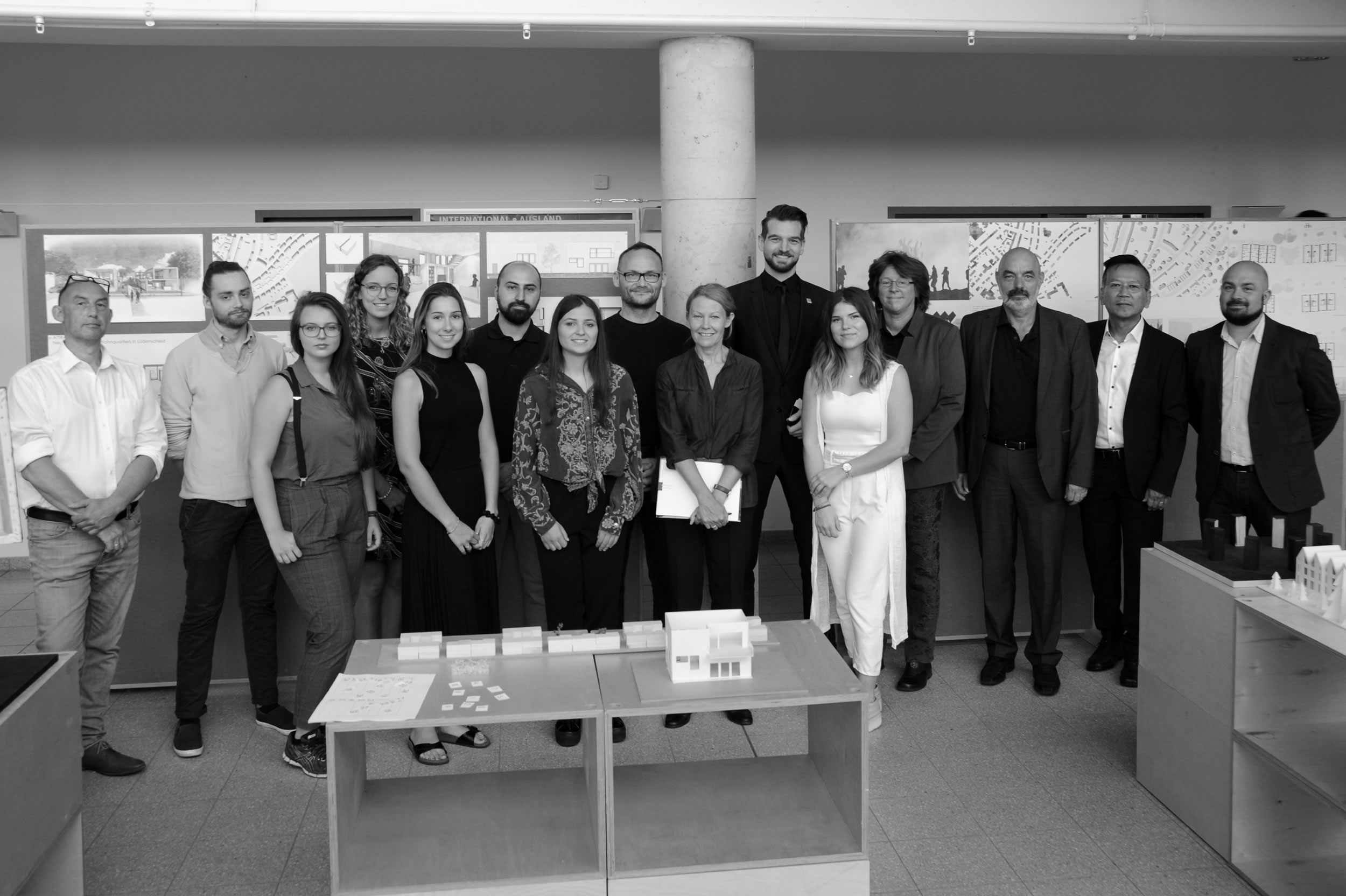
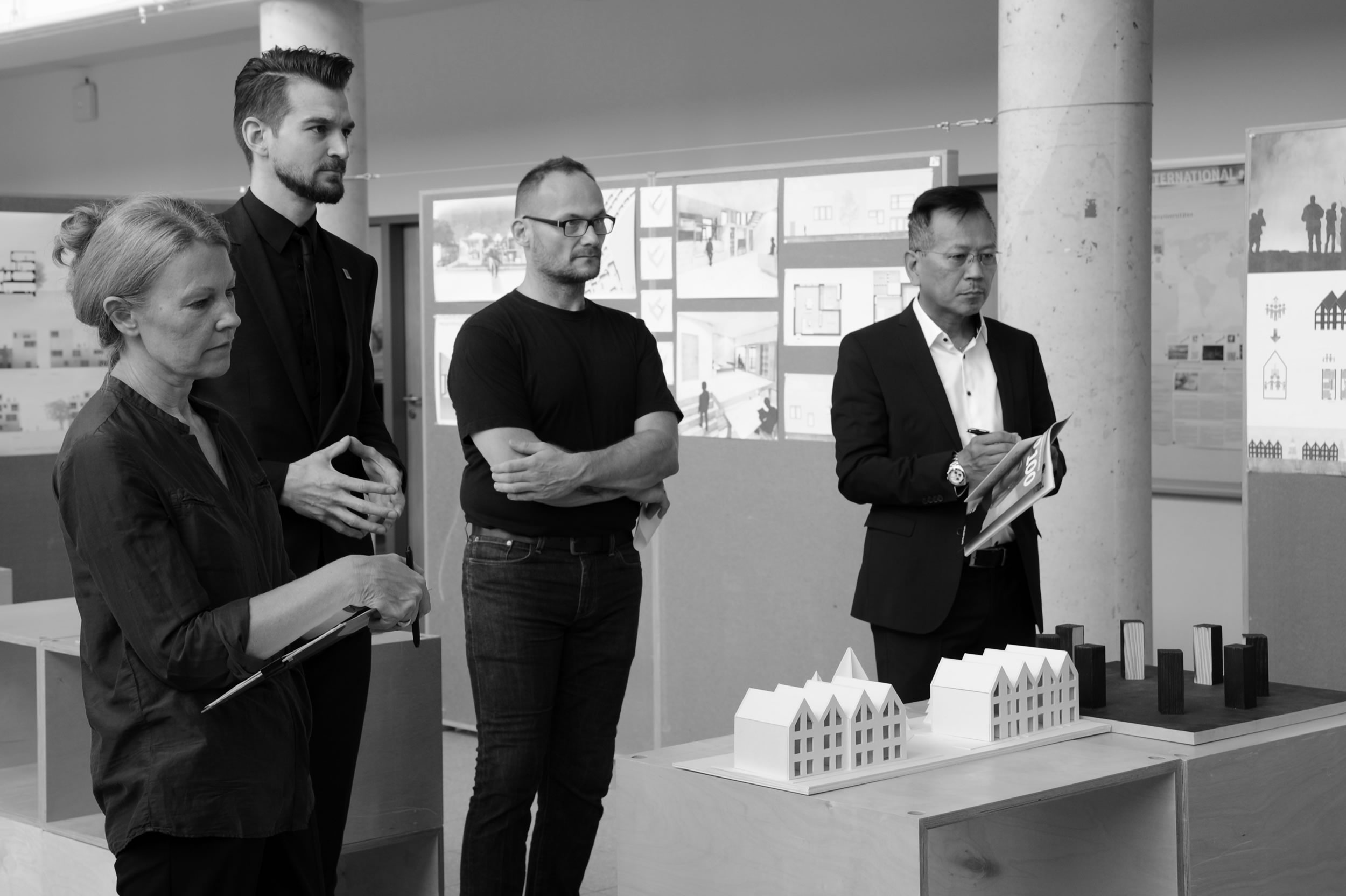
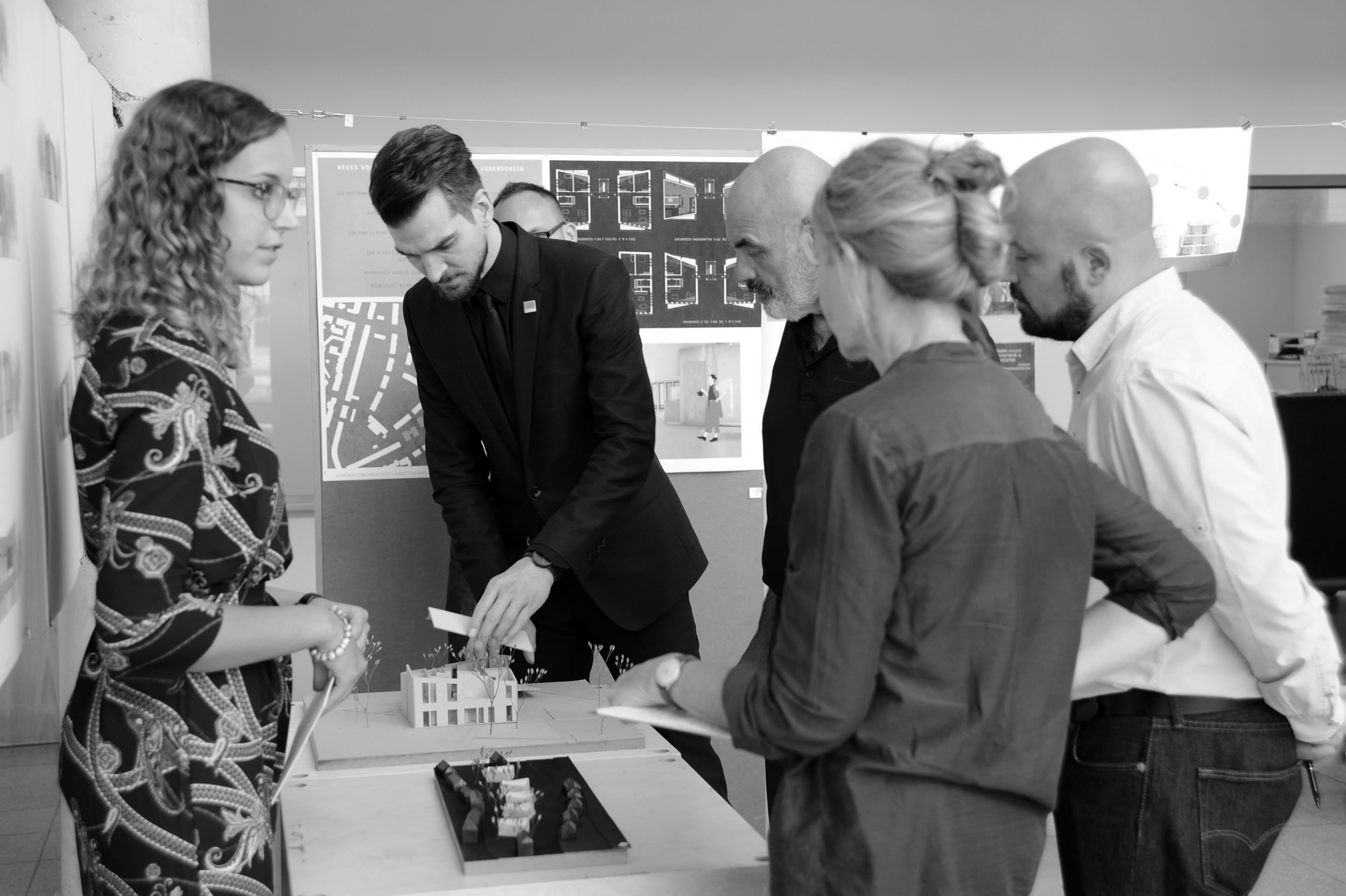
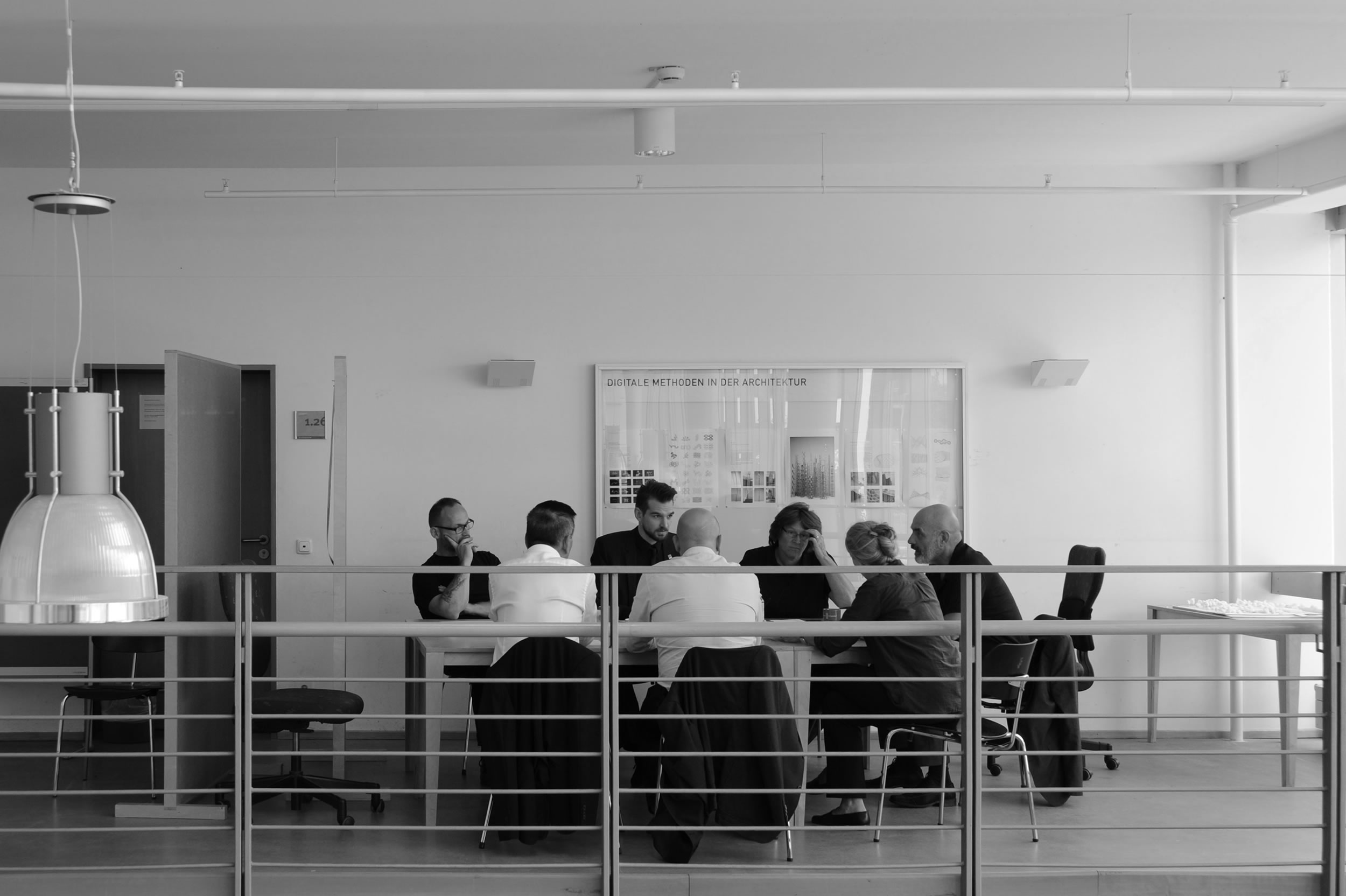
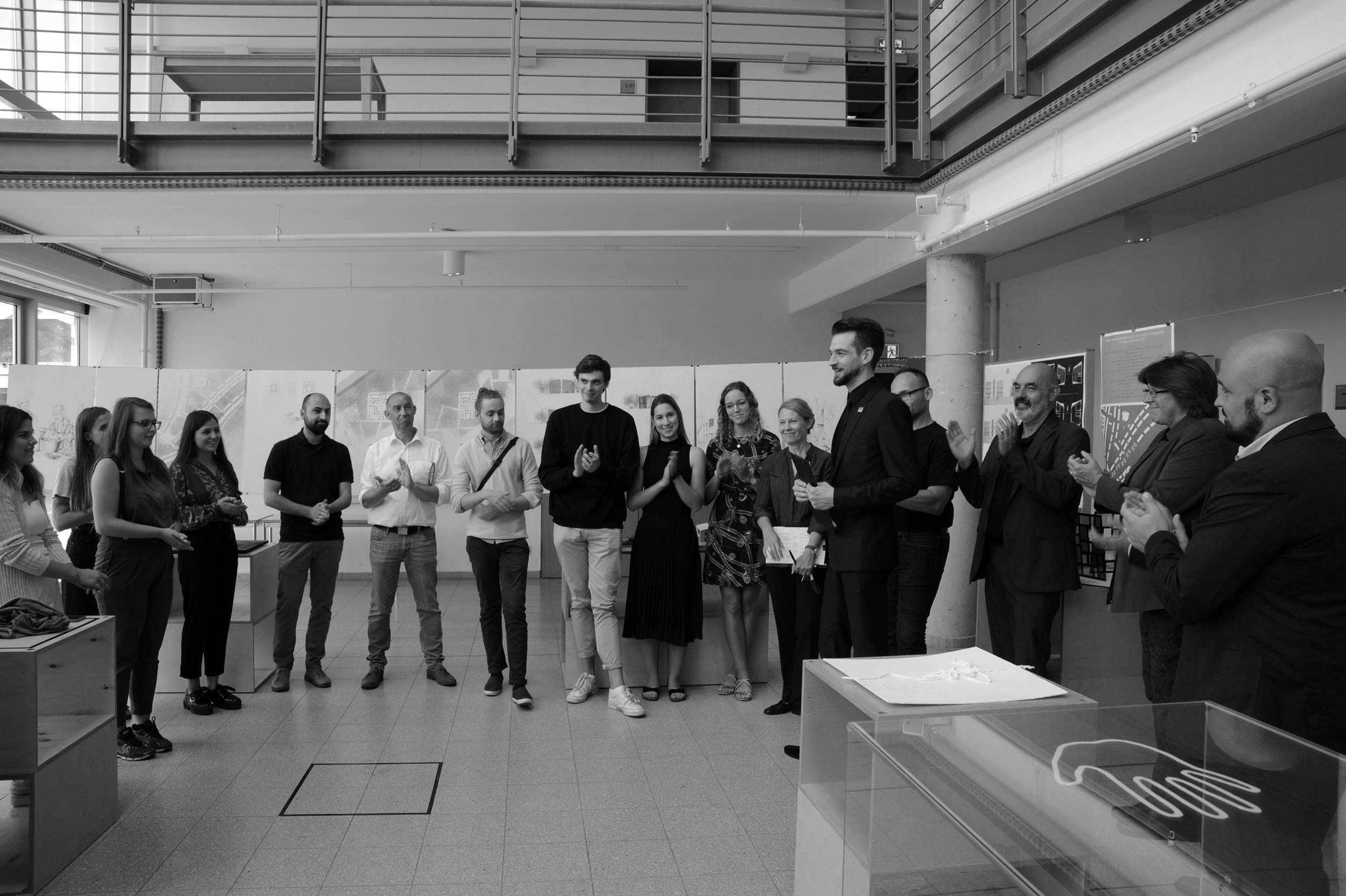
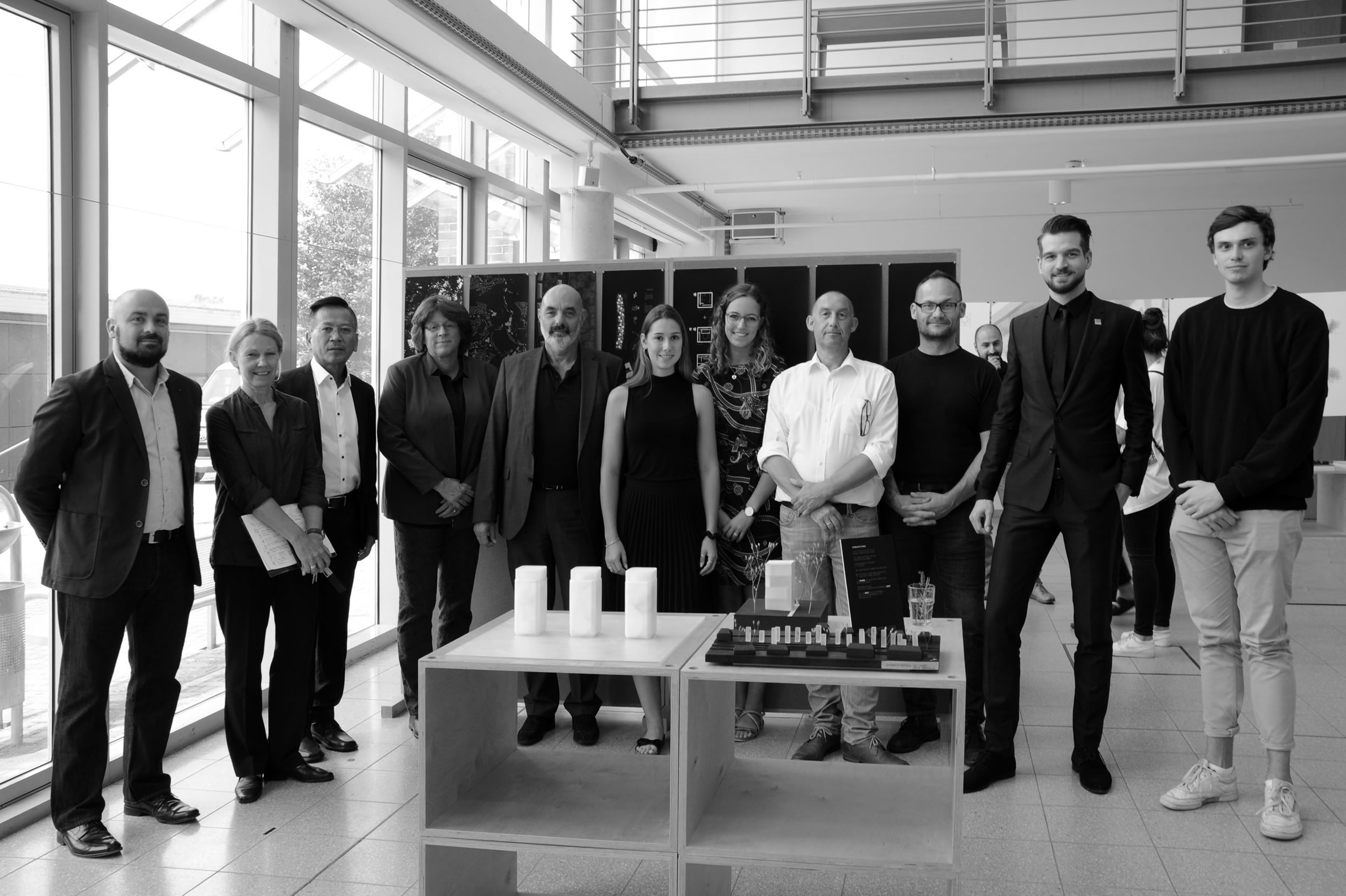
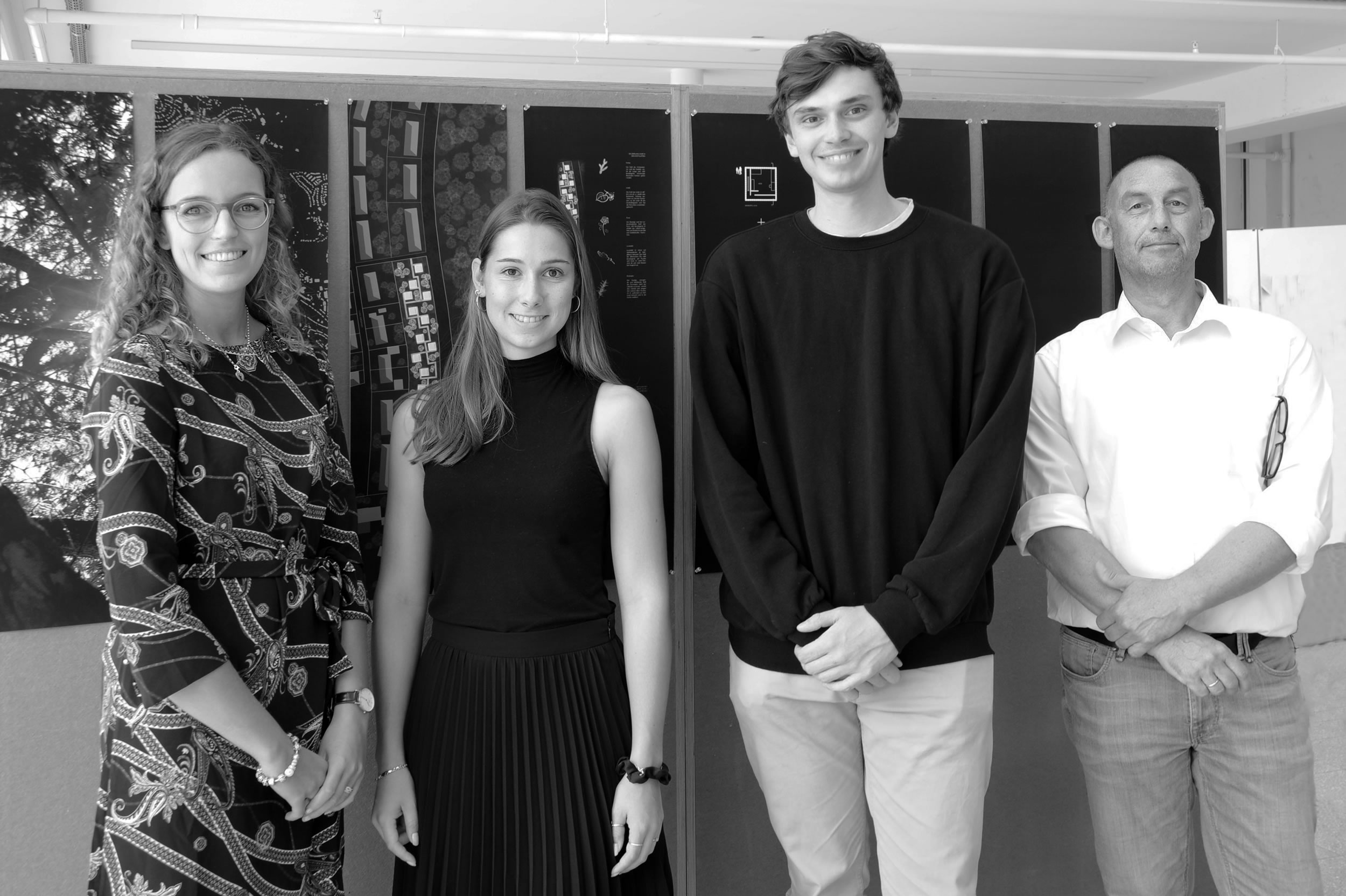
From the teaching format, a competition on “single and family housing in Lüdenscheid” was developed in 2019, supported by the LüWo AG. The jury consisted of representatives from the housing industry, architecture, art, and academia. Awarded projects were those that did not interpret housing purely functionally, but as a spatial staging of social and atmospheric situations.
The winning projects demonstrated diverse approaches: communal kitchens as social centres of domestic life, spatial concepts between privacy and community, or sustainable material and usage systems. What mattered was less formal expression than the ability to translate atmosphere and human experience into spatial terms.
The course was conducted in collaboration with artist and designer Achim Lohse. Excursions and analyses of visual art were used to sensitise students to non-verbal forms of spatial communication. Artists such as Claude Monet, Richard Serra, and Günther Uecker were studied alongside designers and architects from different periods.
The course made clear that architecture does not arise from function or visual language alone. Spaces operate through atmosphere, material, light, movement, and memory. Design therefore carries responsibility—especially where people live and spend their everyday lives.
Photos: Gabriele Marl www.gammafoto.de