
Collection
Permanent Exhibition in Nürnberg
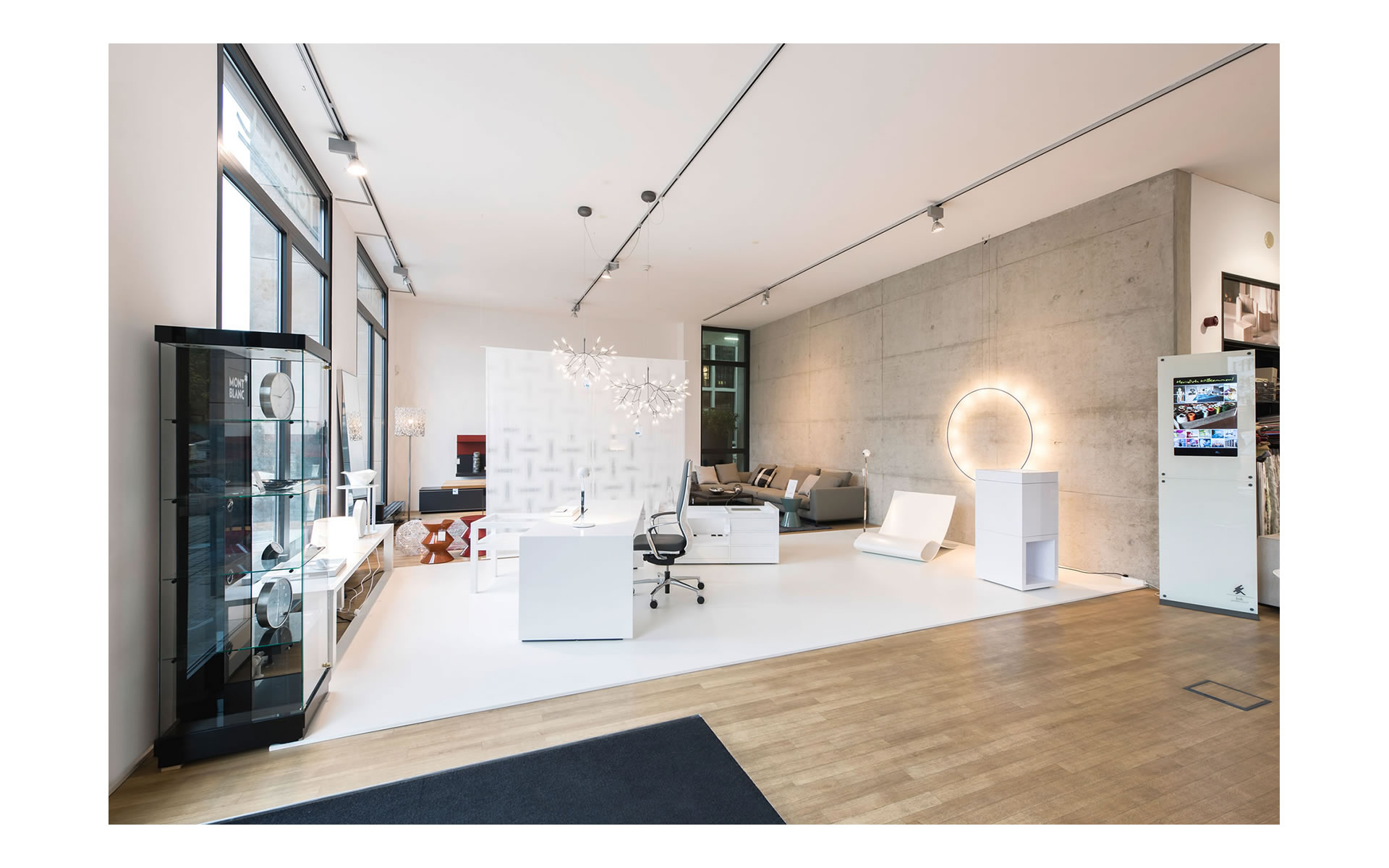
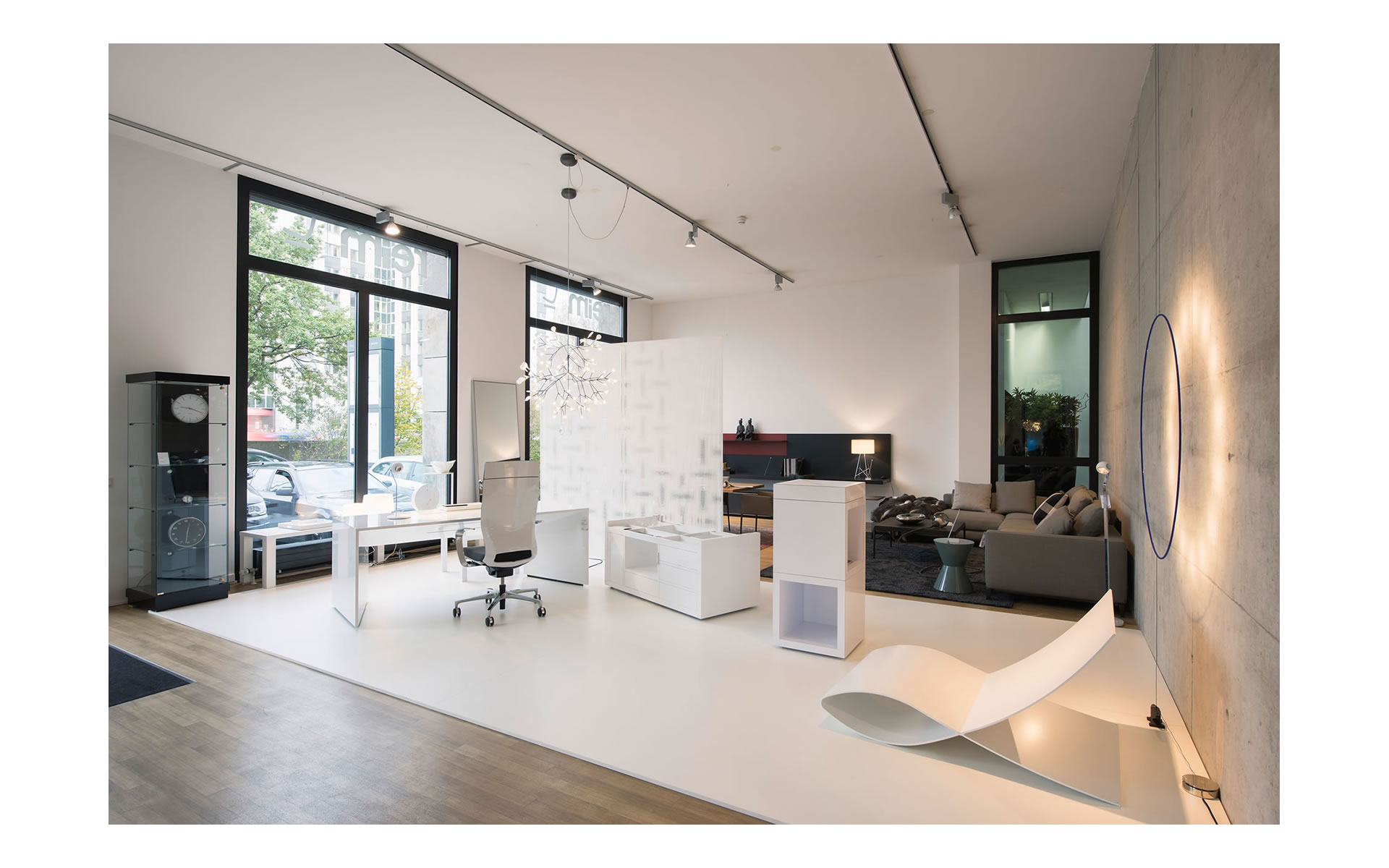
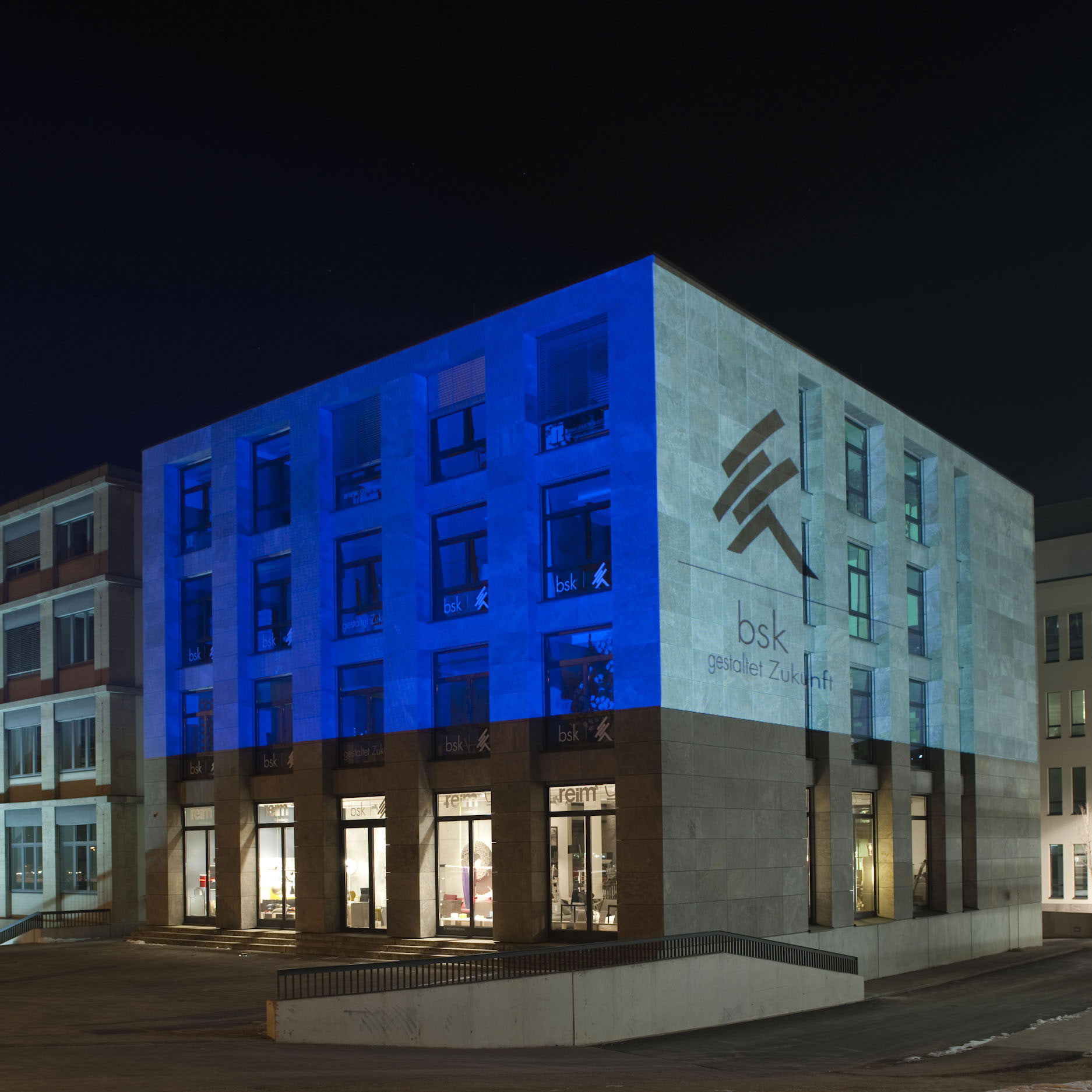
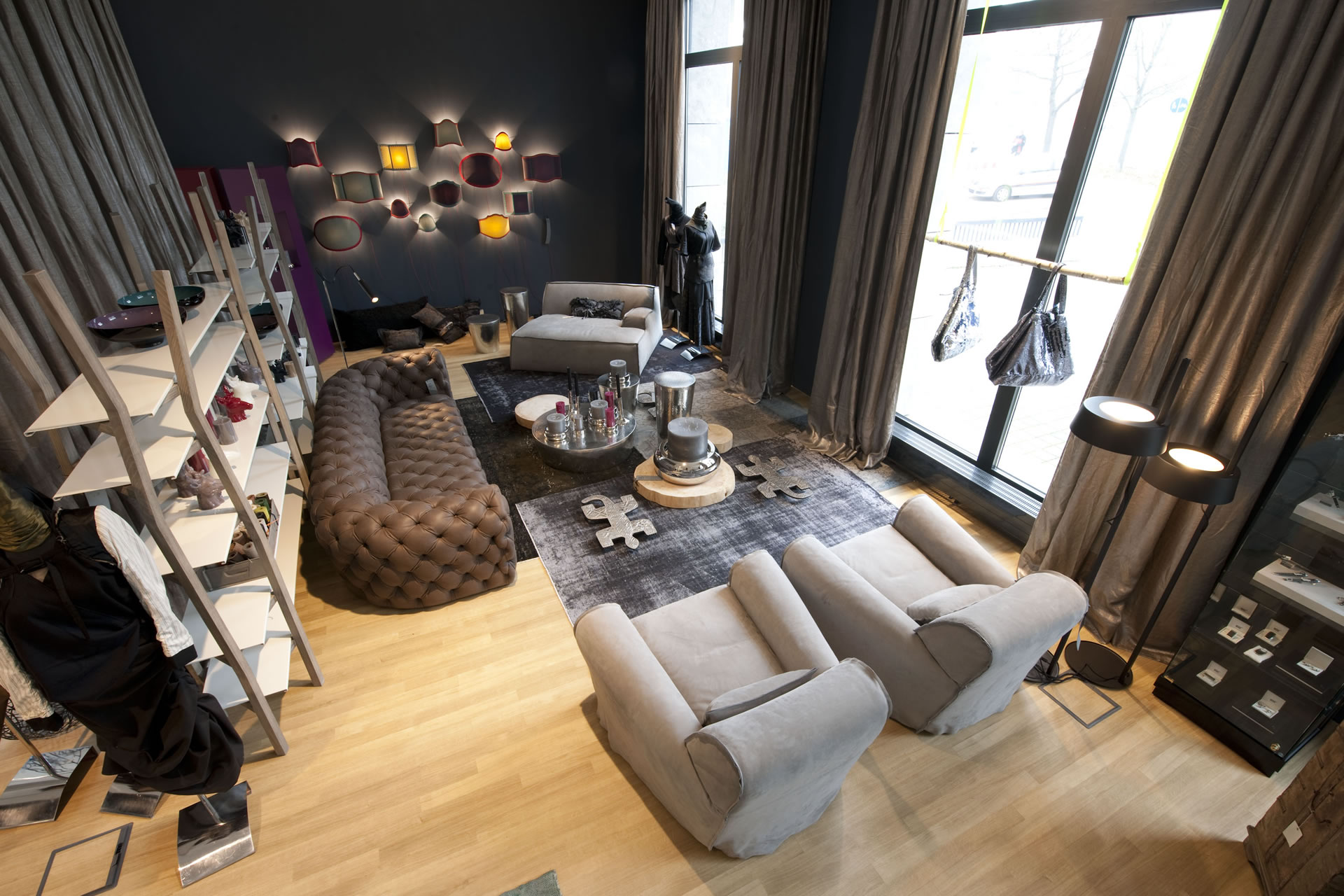
With the permanent exhibition at the BSK Designhaus in Nuremberg, works by Felix Schwake were presented for the first time within a permanent architectural exhibition context that consciously seeks a dialogue between Bauhaus tradition, functional art, and contemporary working culture.
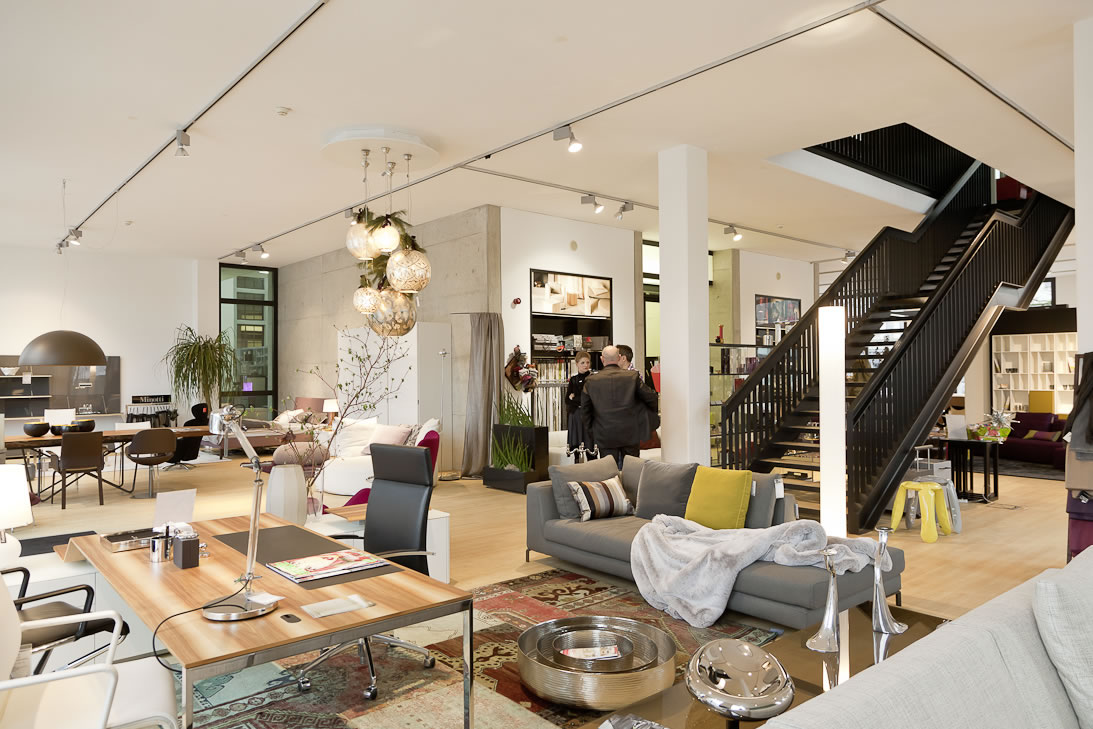
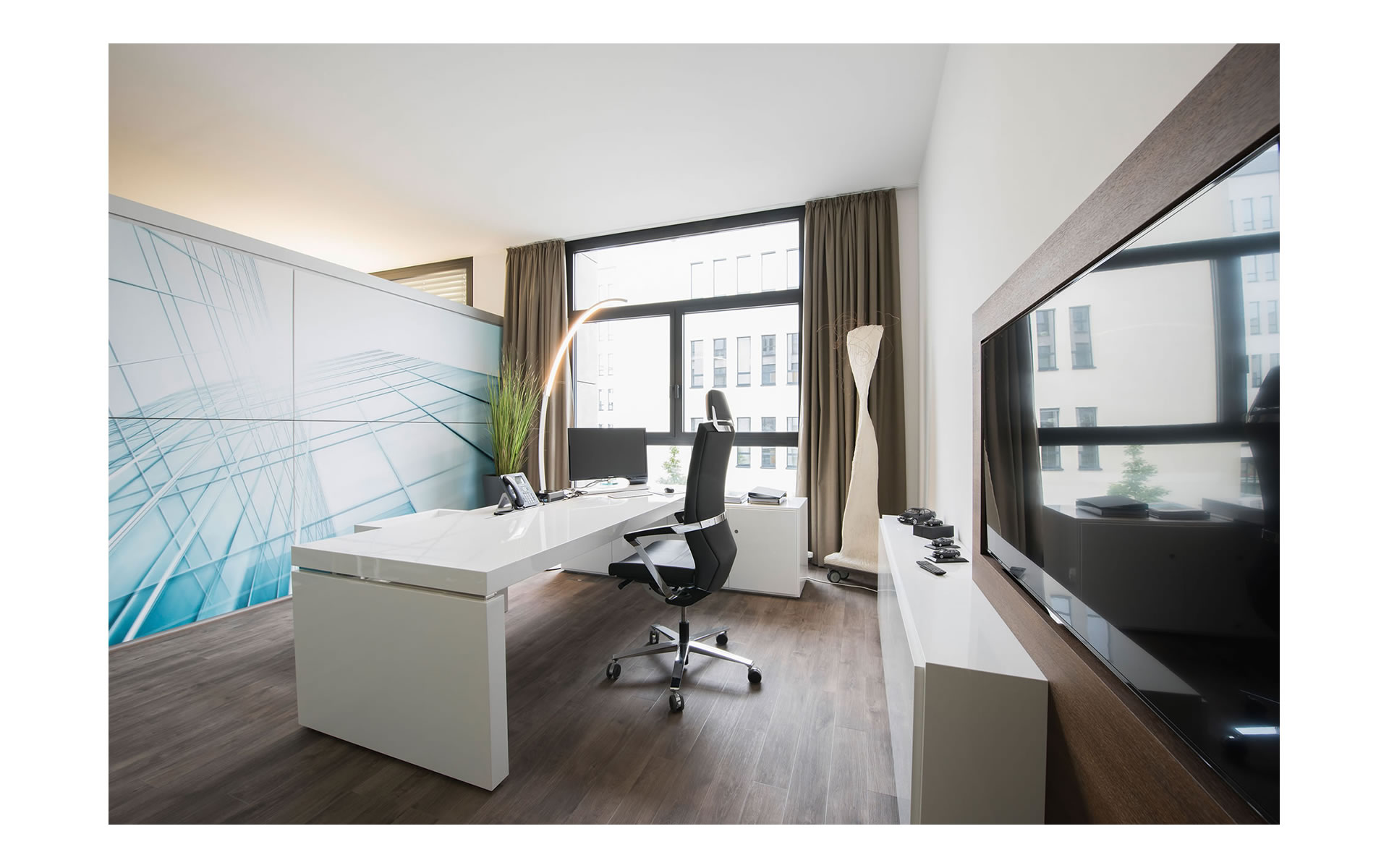
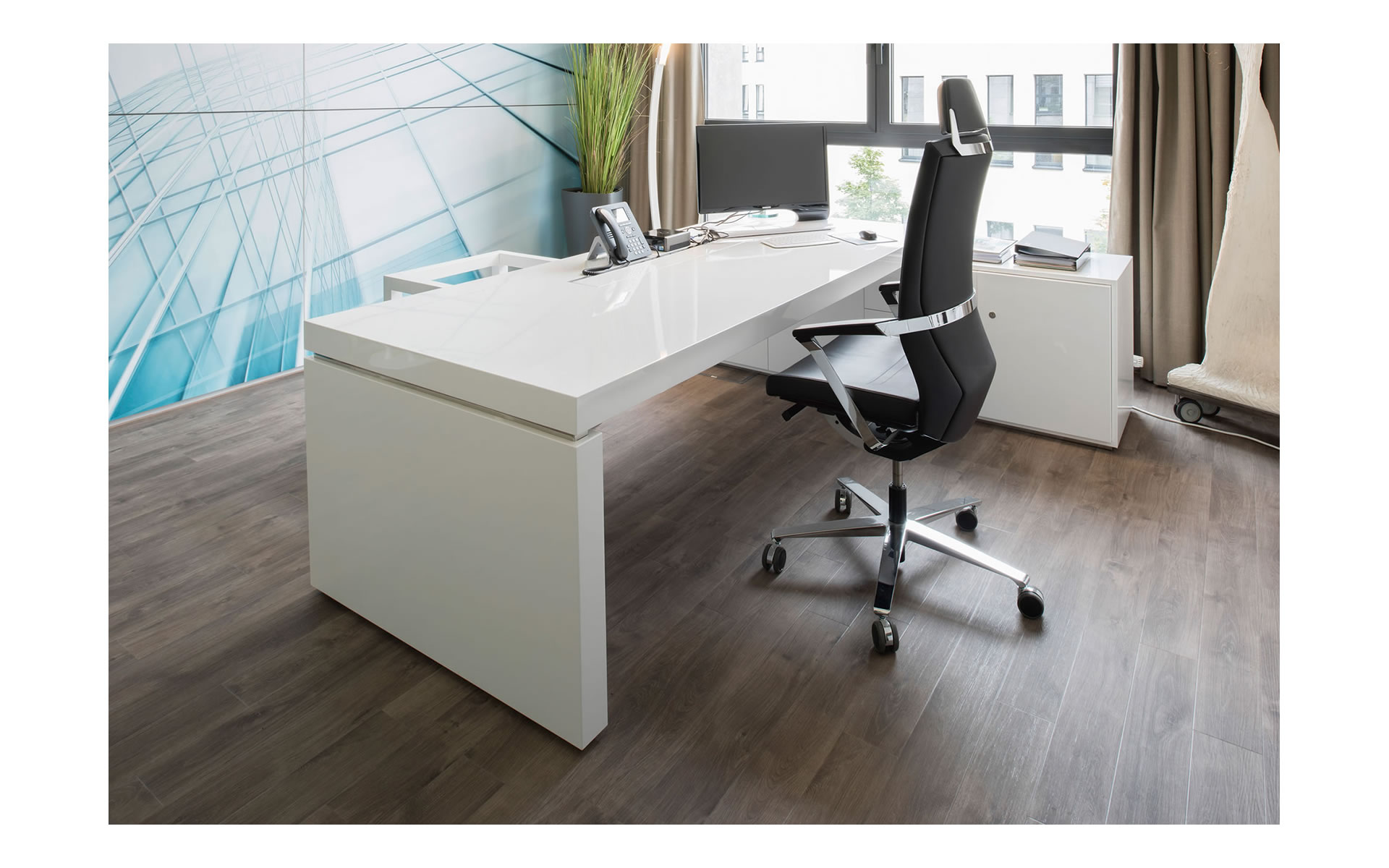
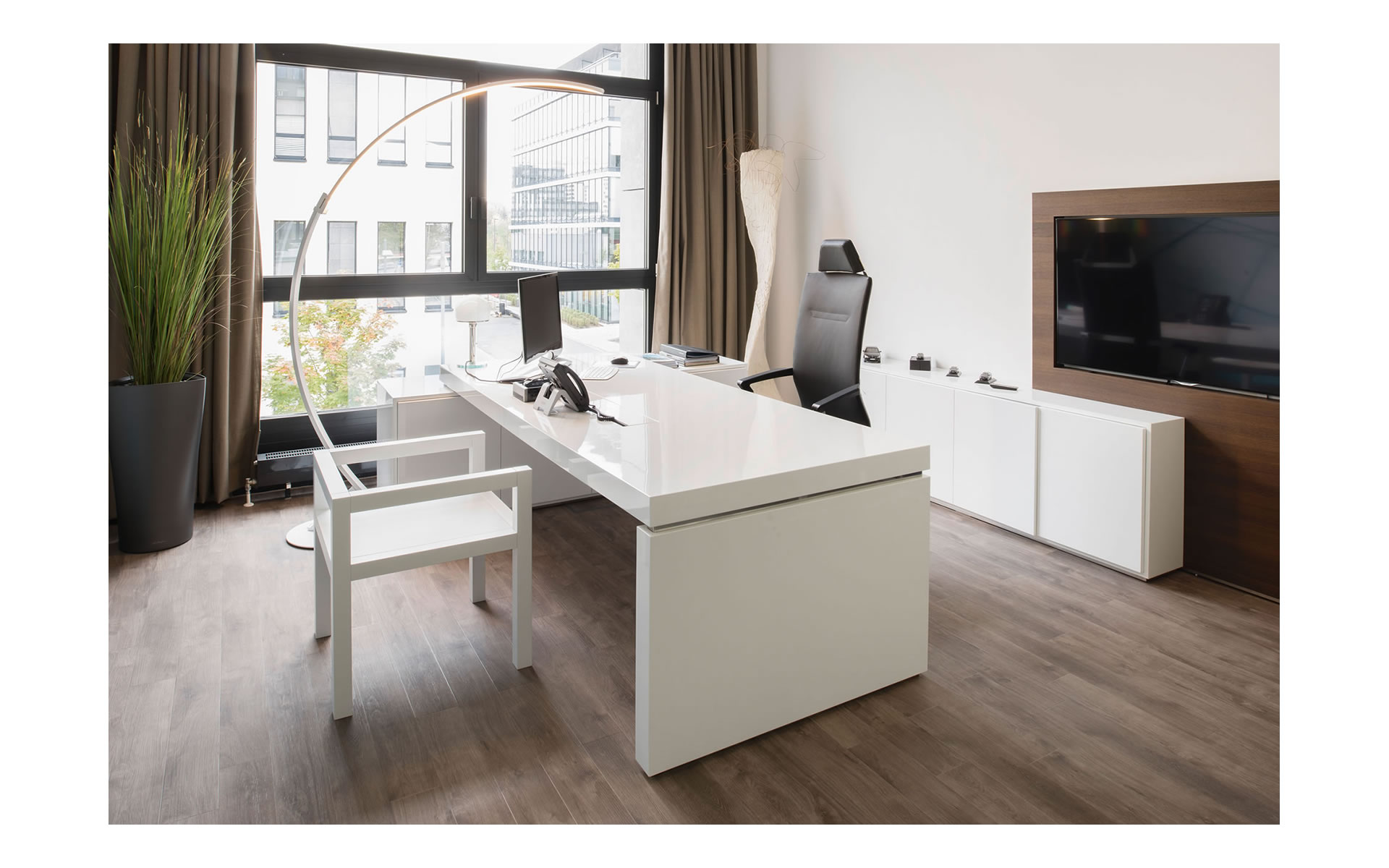
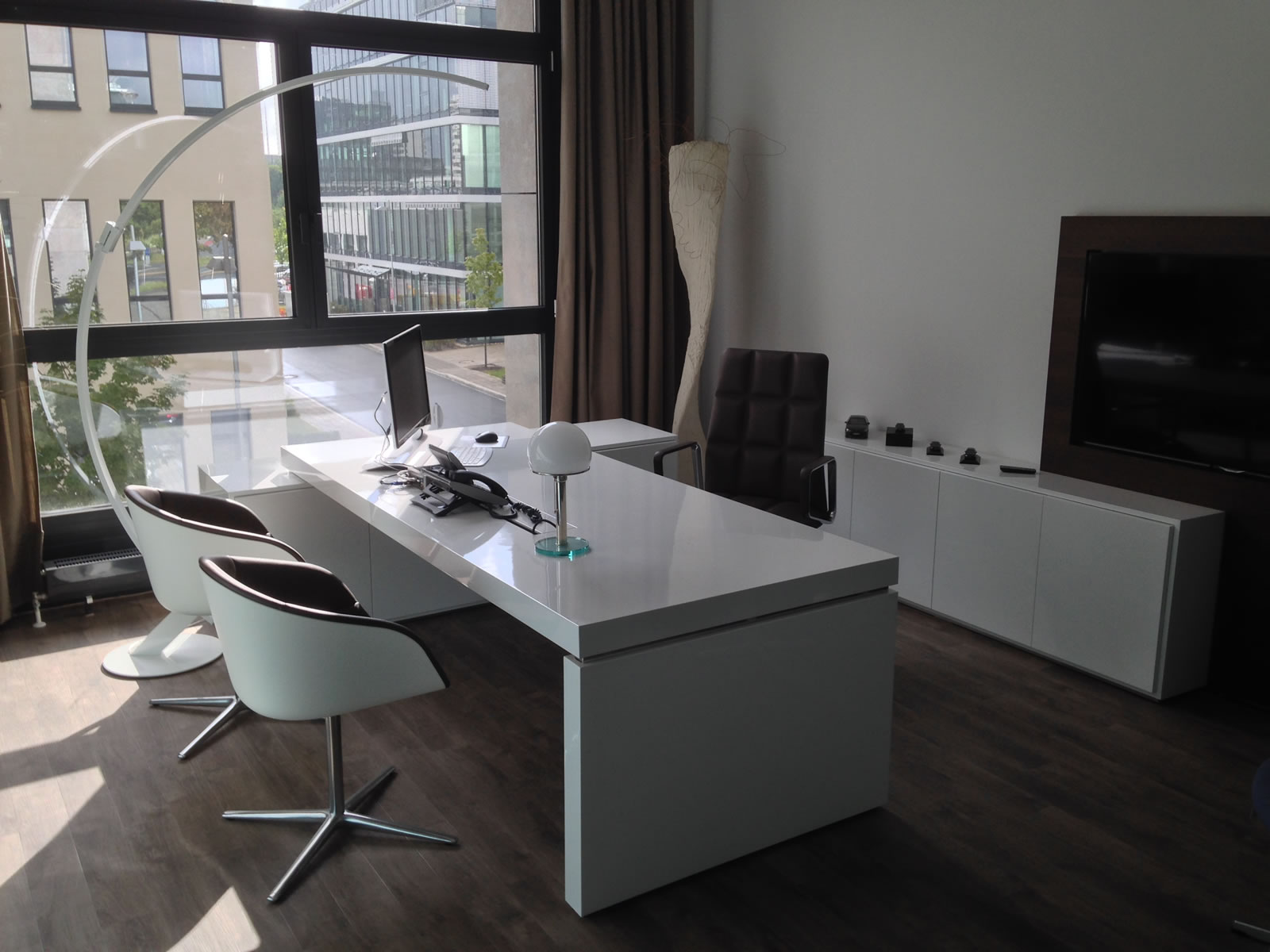
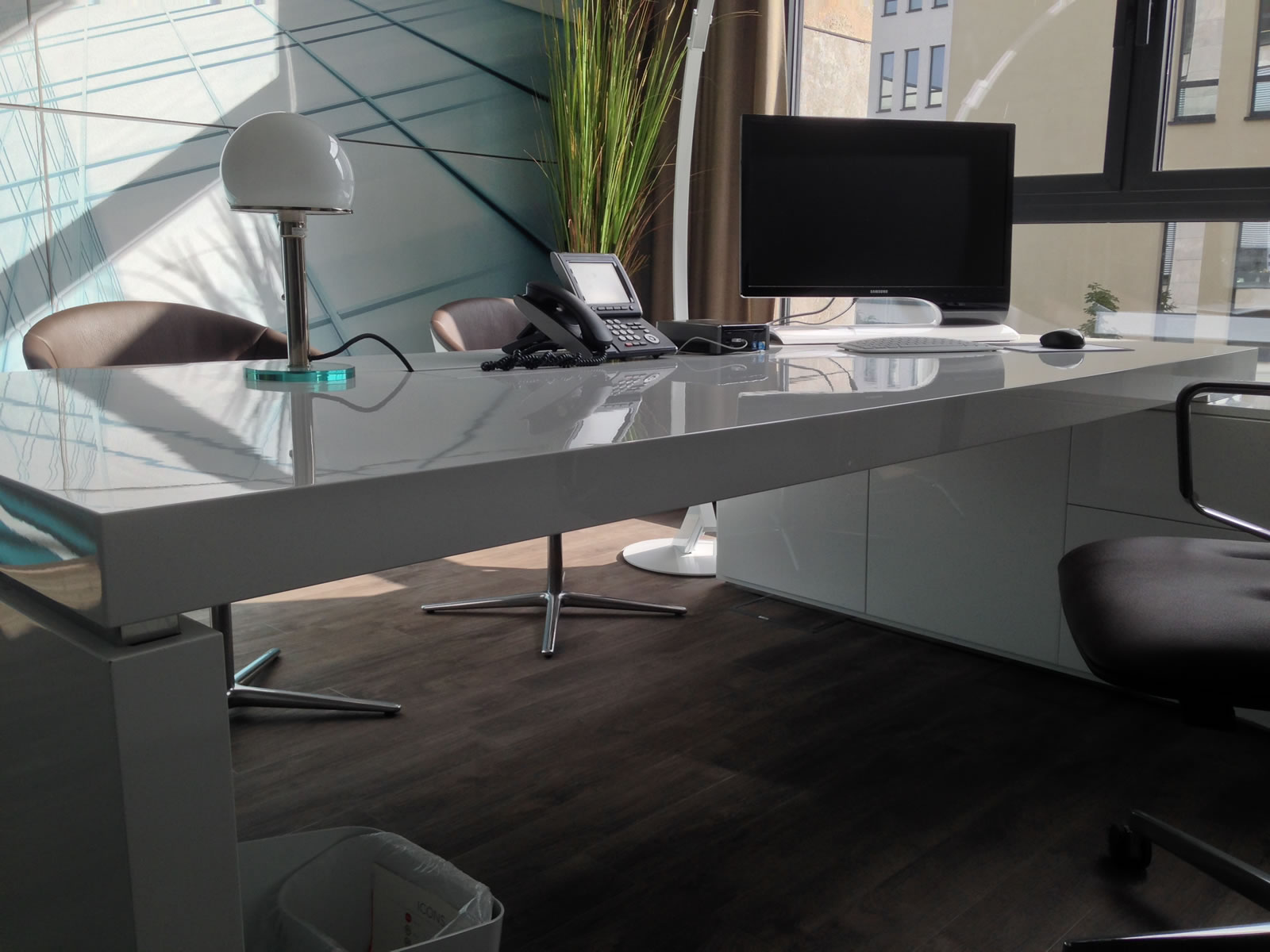
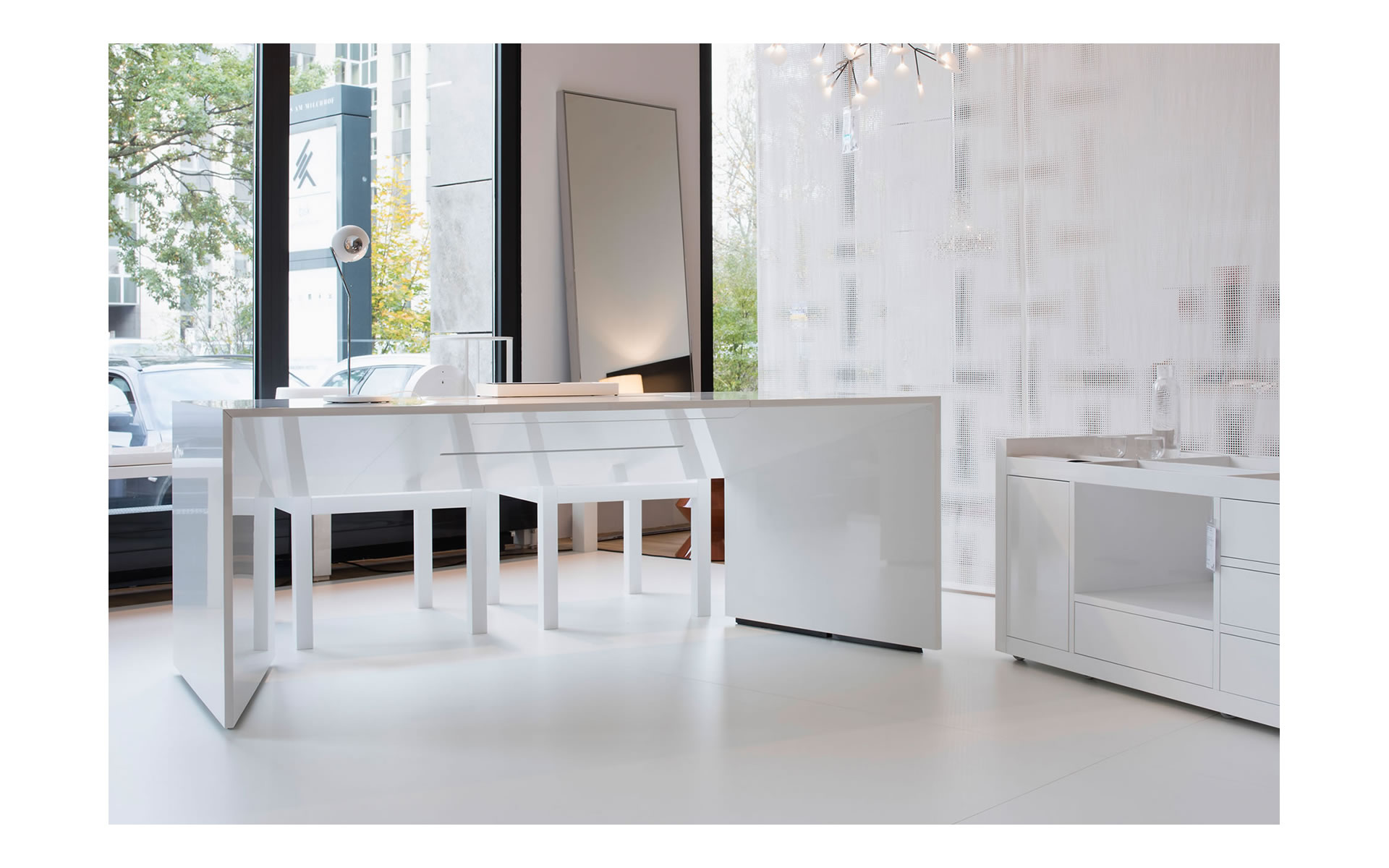
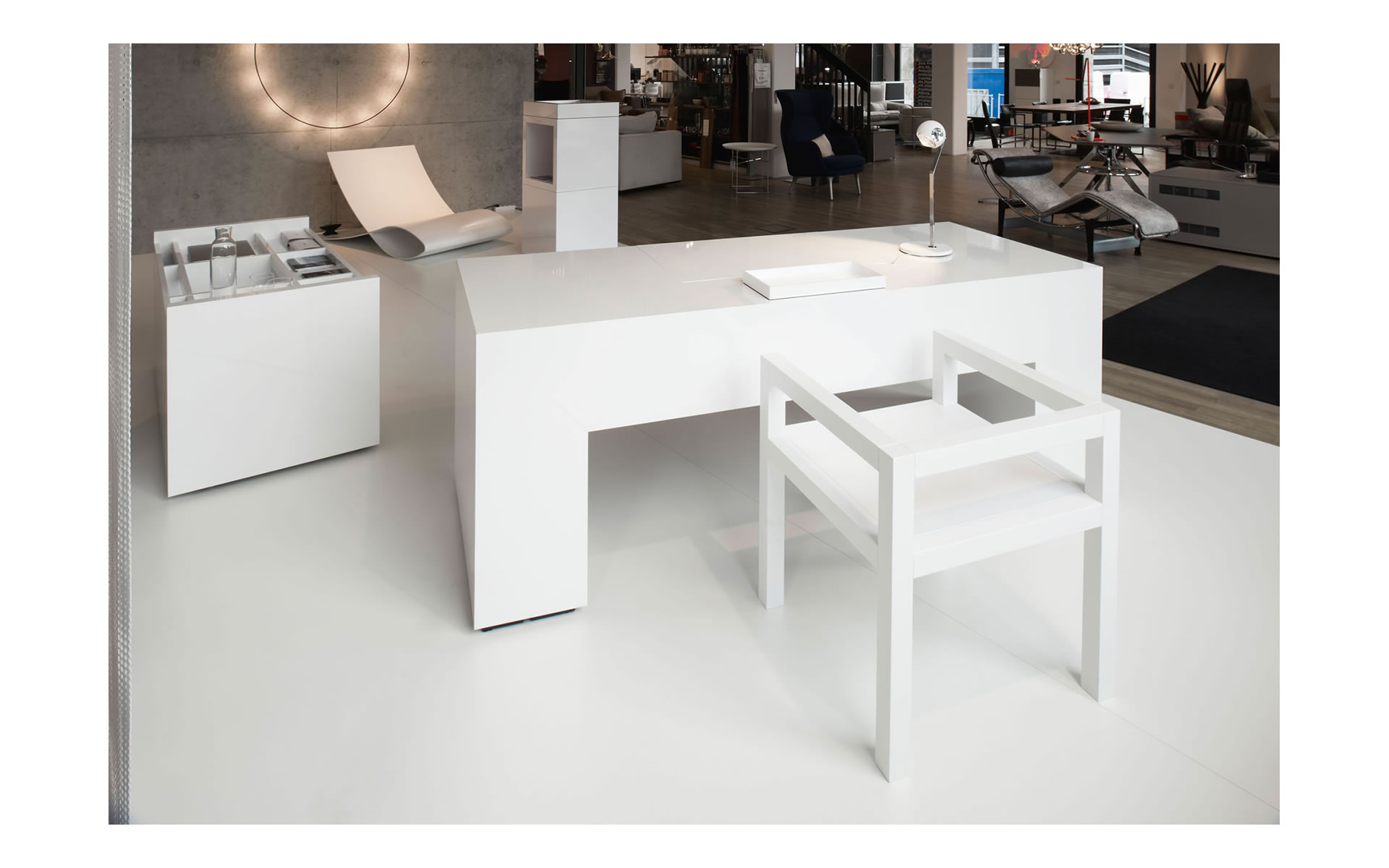
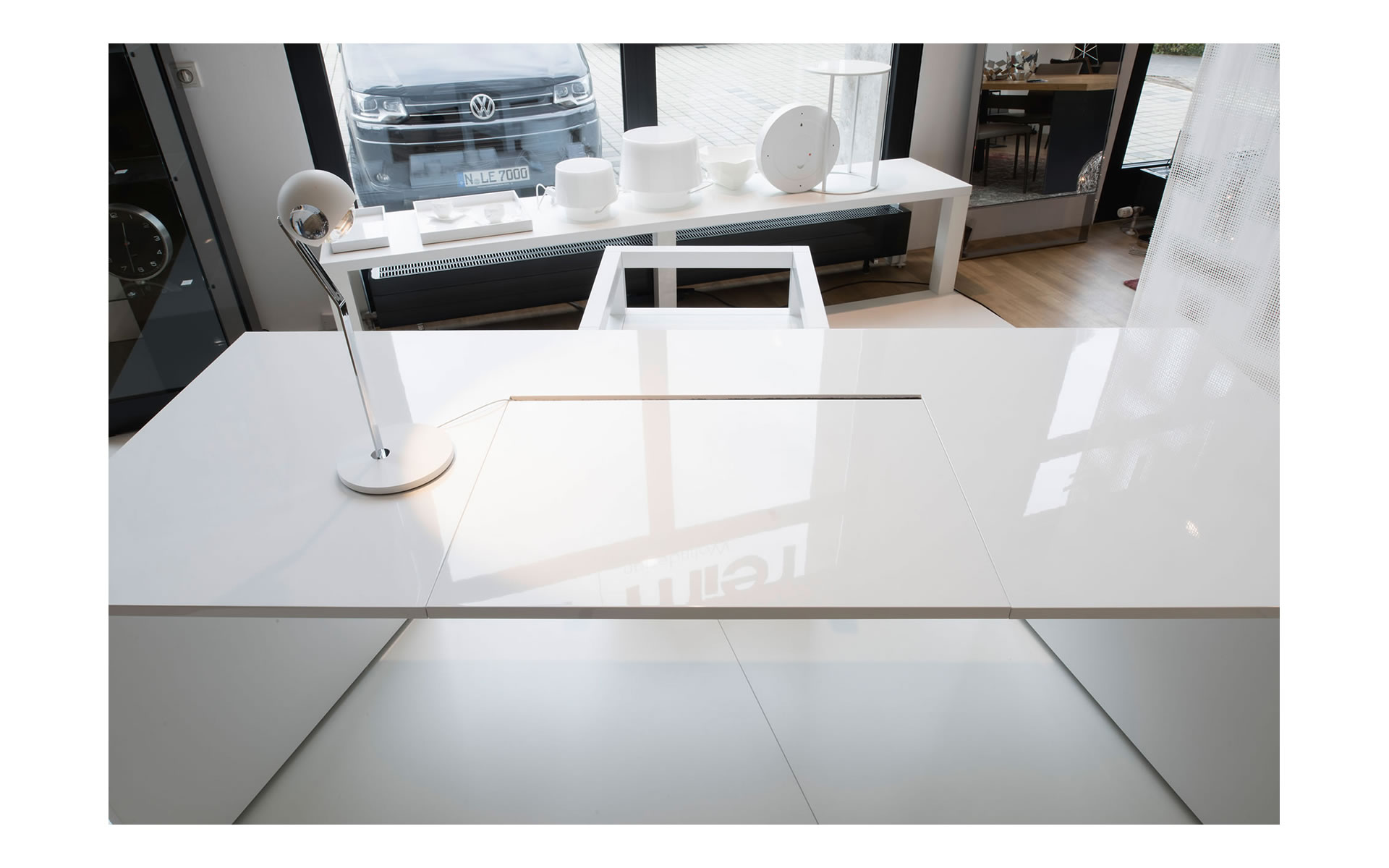
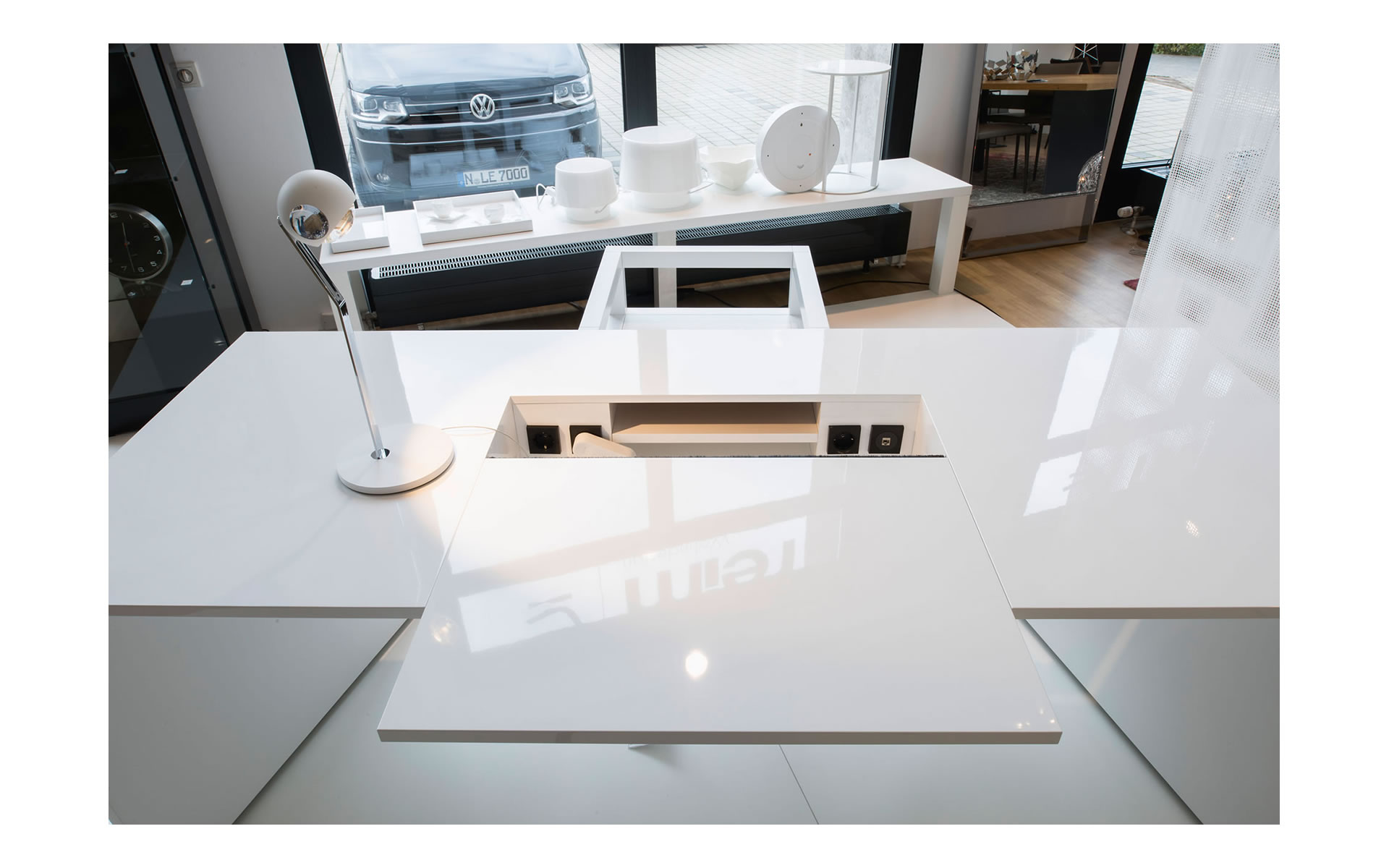
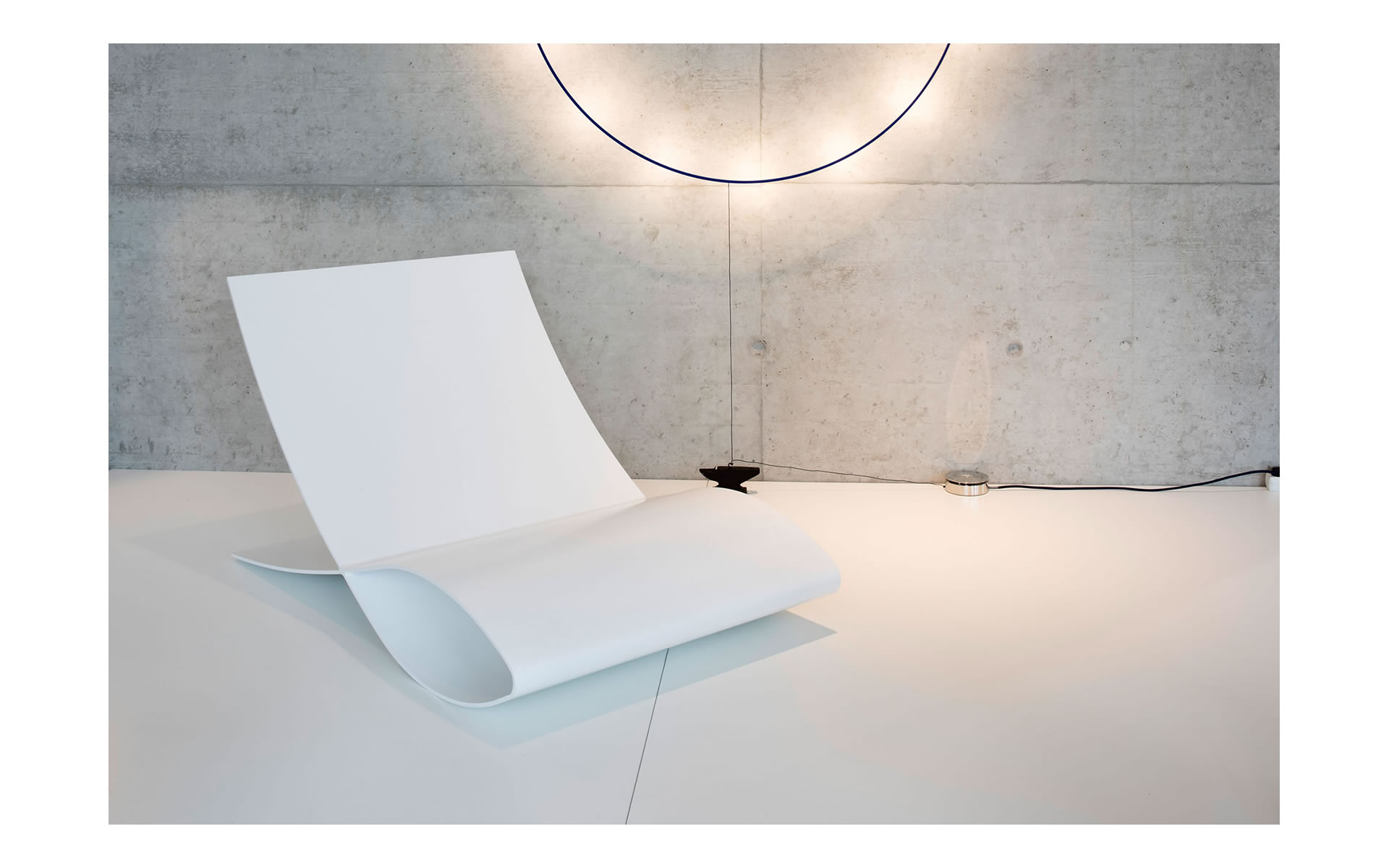
Selected works from the current collections were exhibited, with a particular focus on conference and executive office environments. Central to the presentation were objects that understand function, technical integration, and spatial calmness as a unified architectural task.
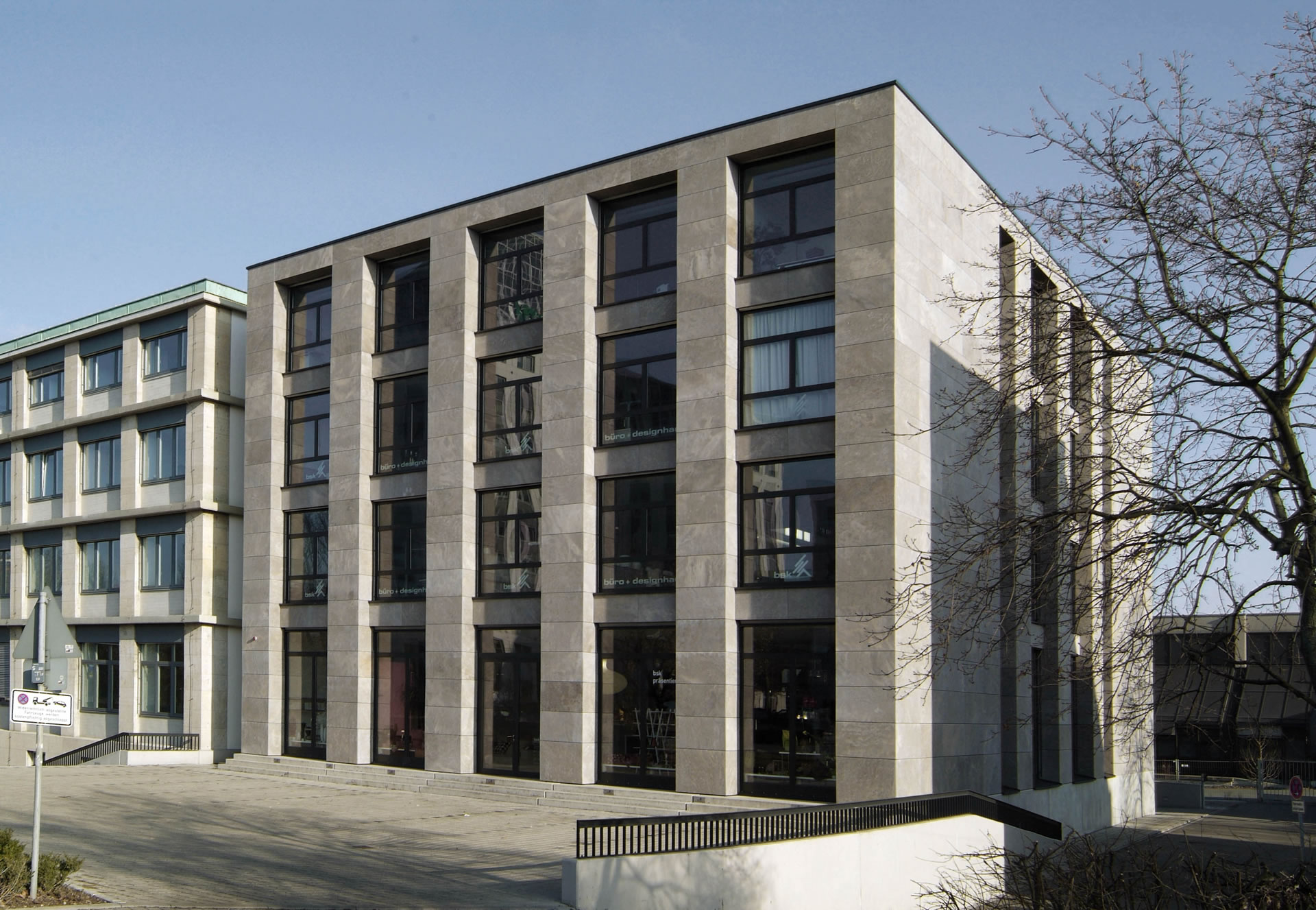
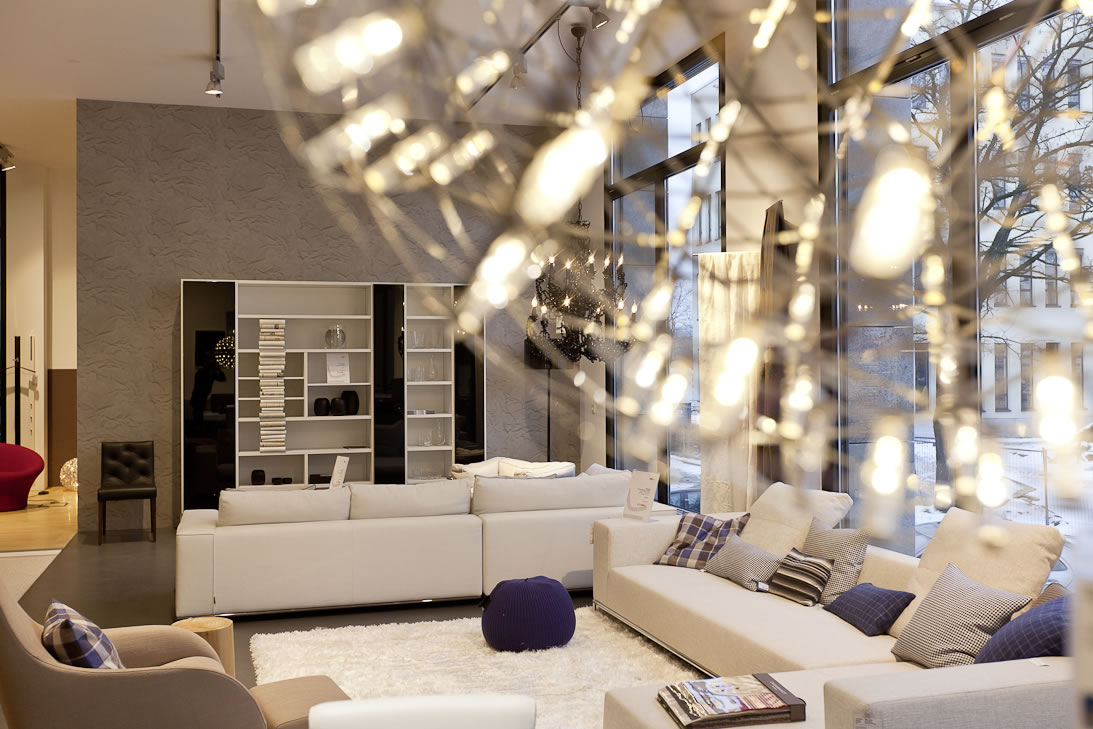
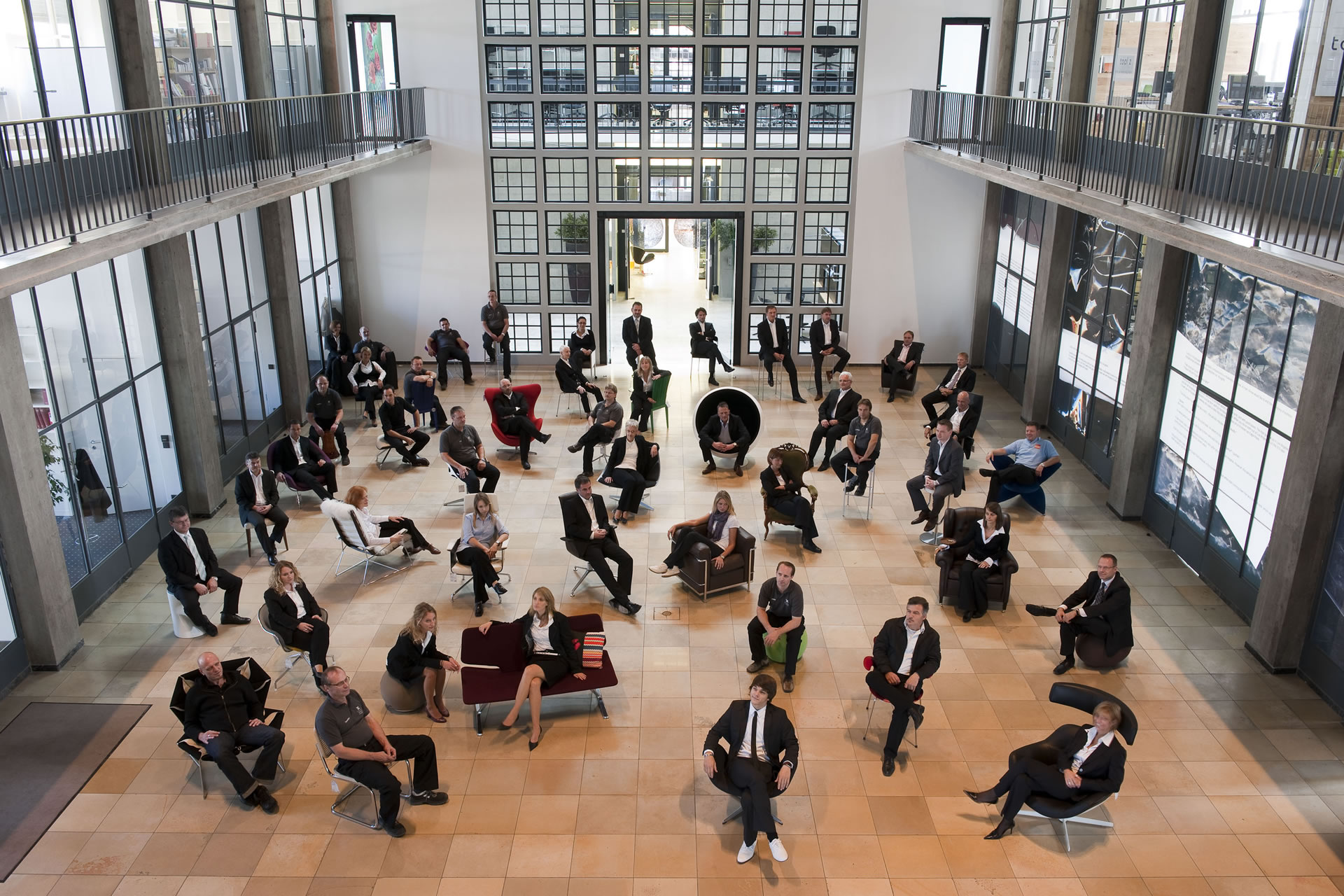
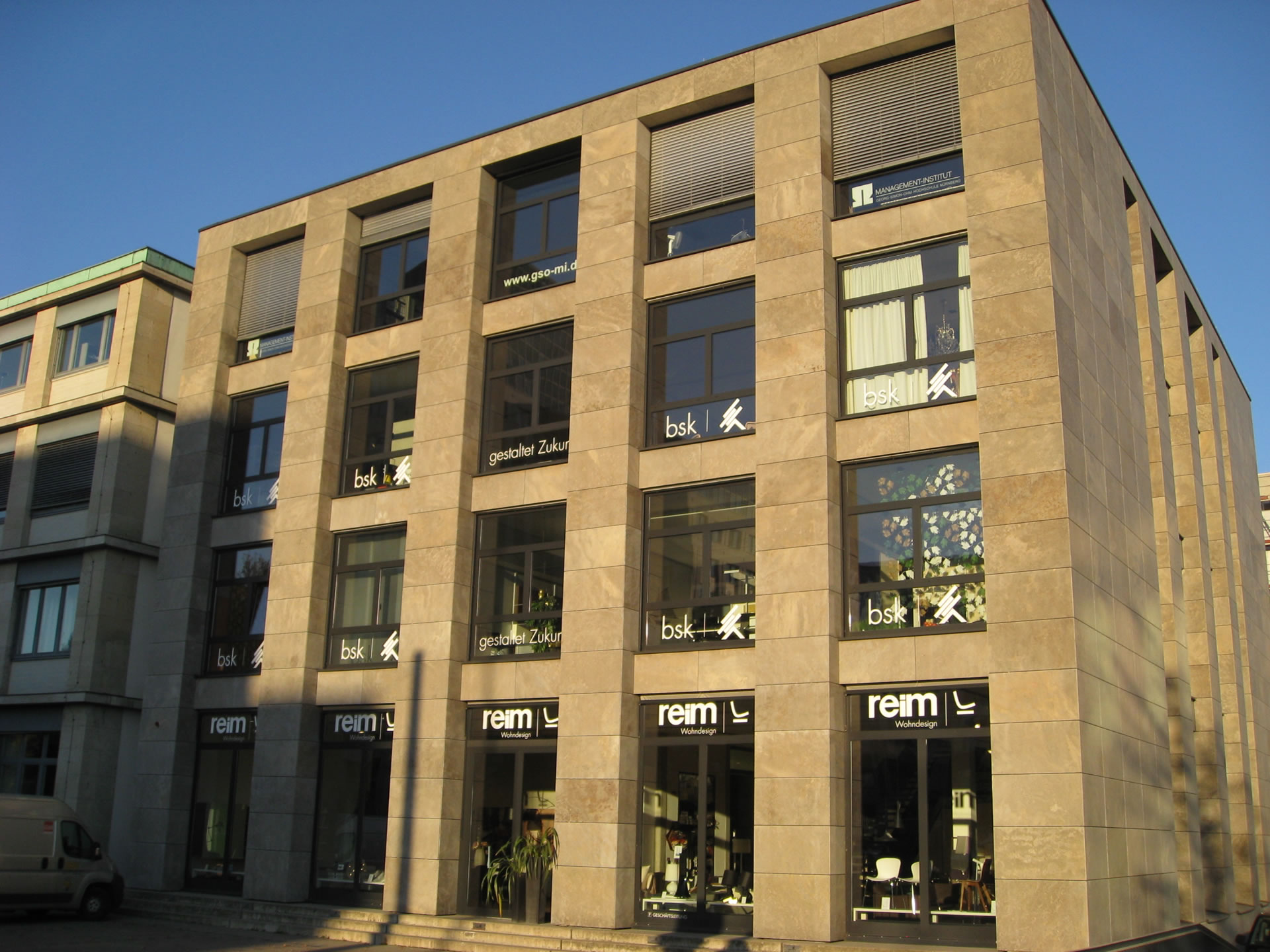
The exhibition took place within the historic spaces of the Palais am Milchhof. The clear spatial language of the architecture forms a deliberately restrained framework for the reduced geometric works of Felix Schwake.
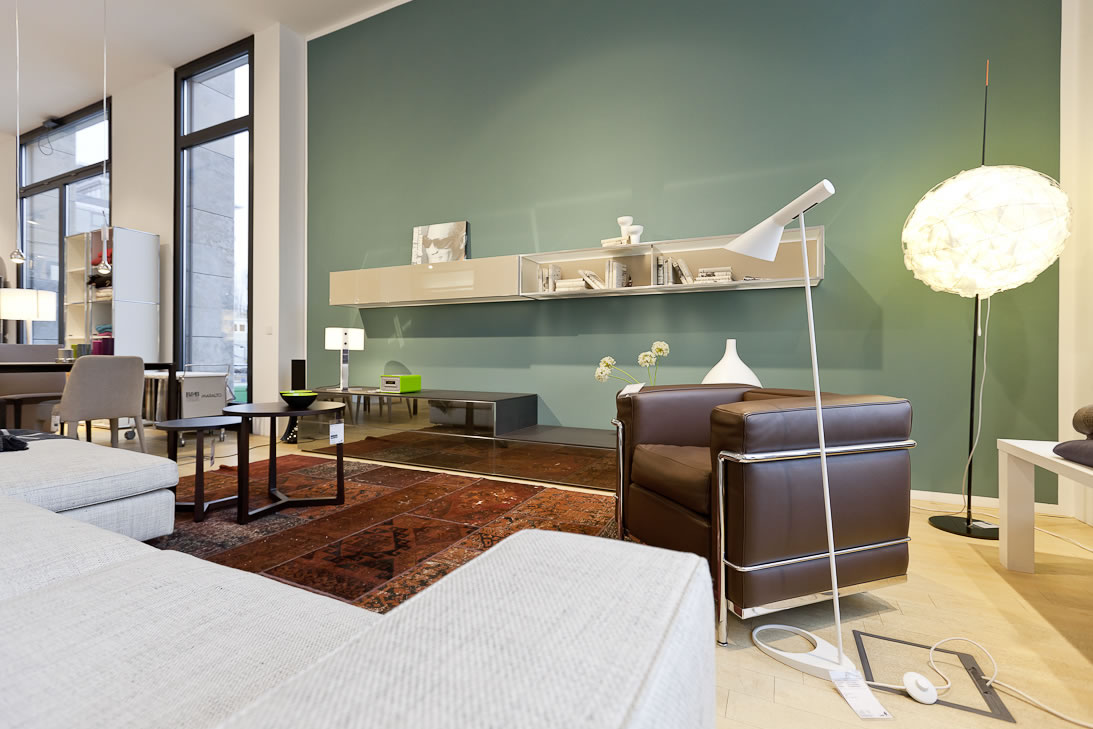
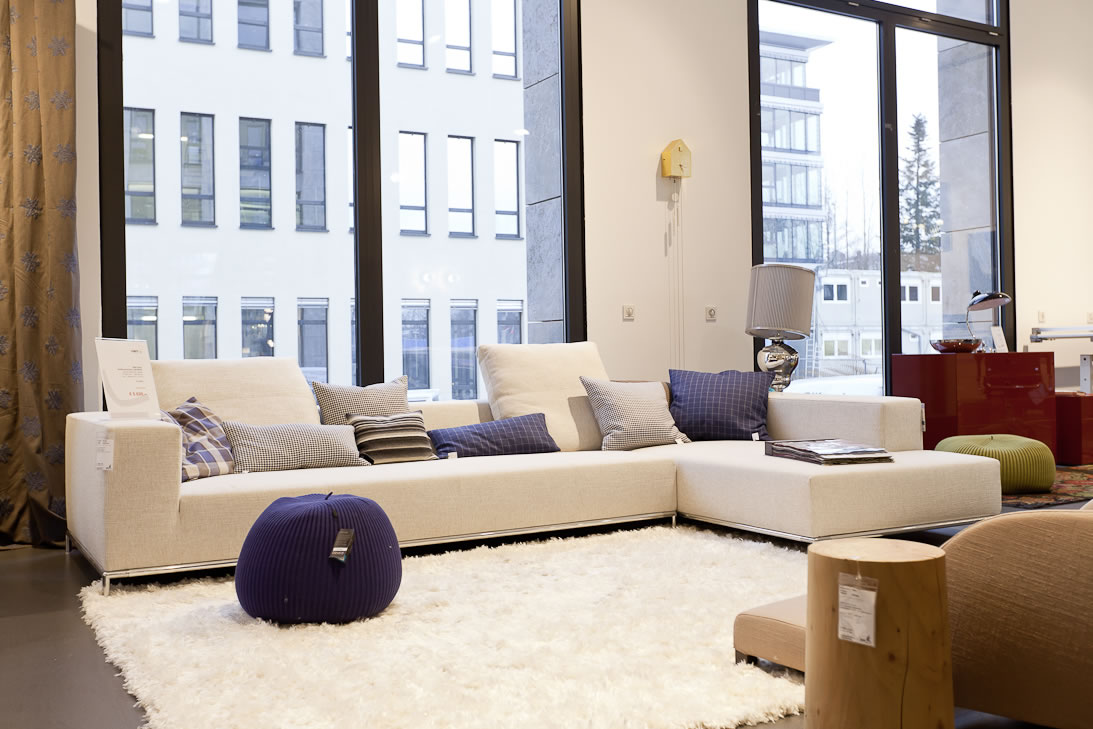
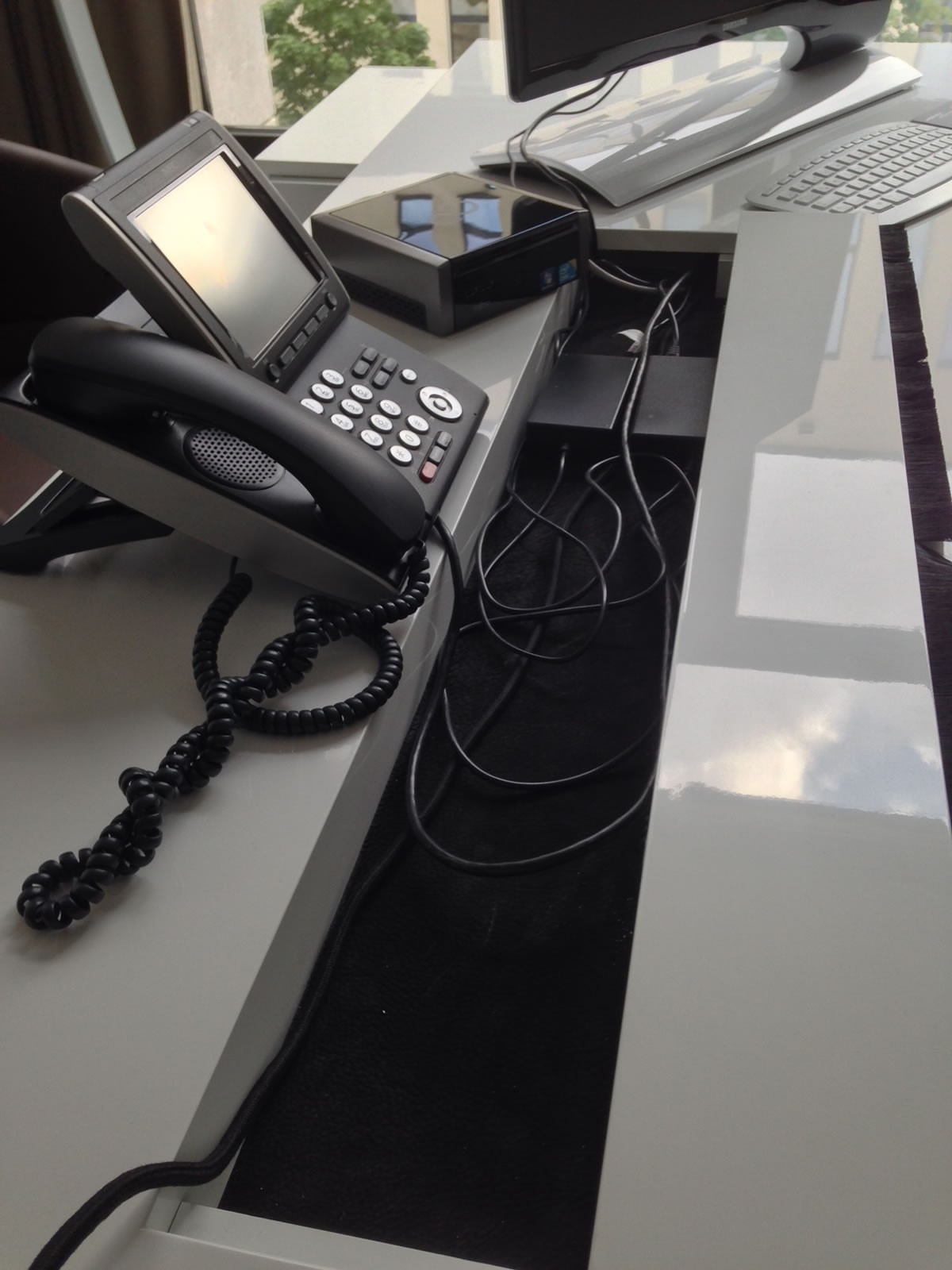
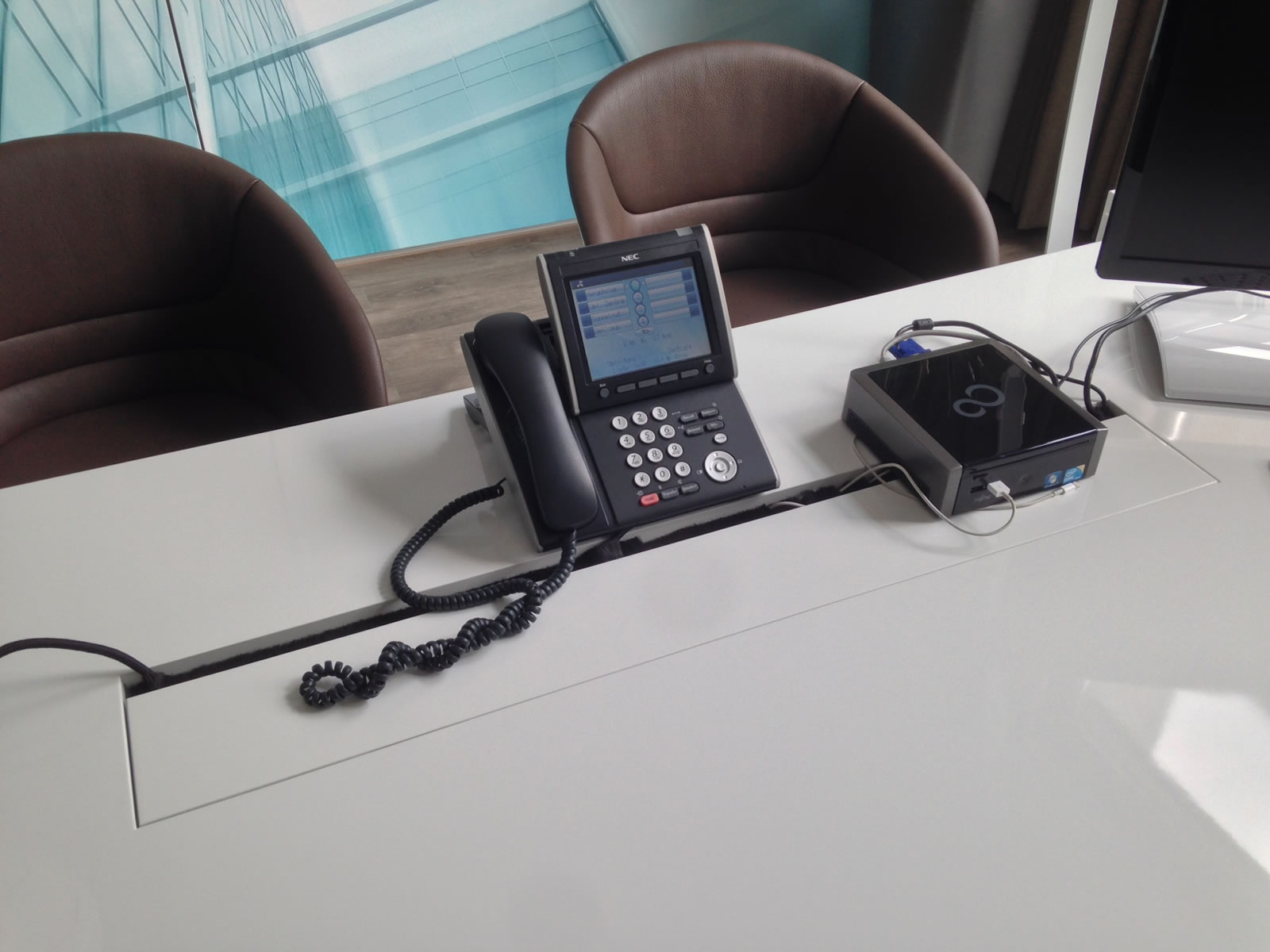
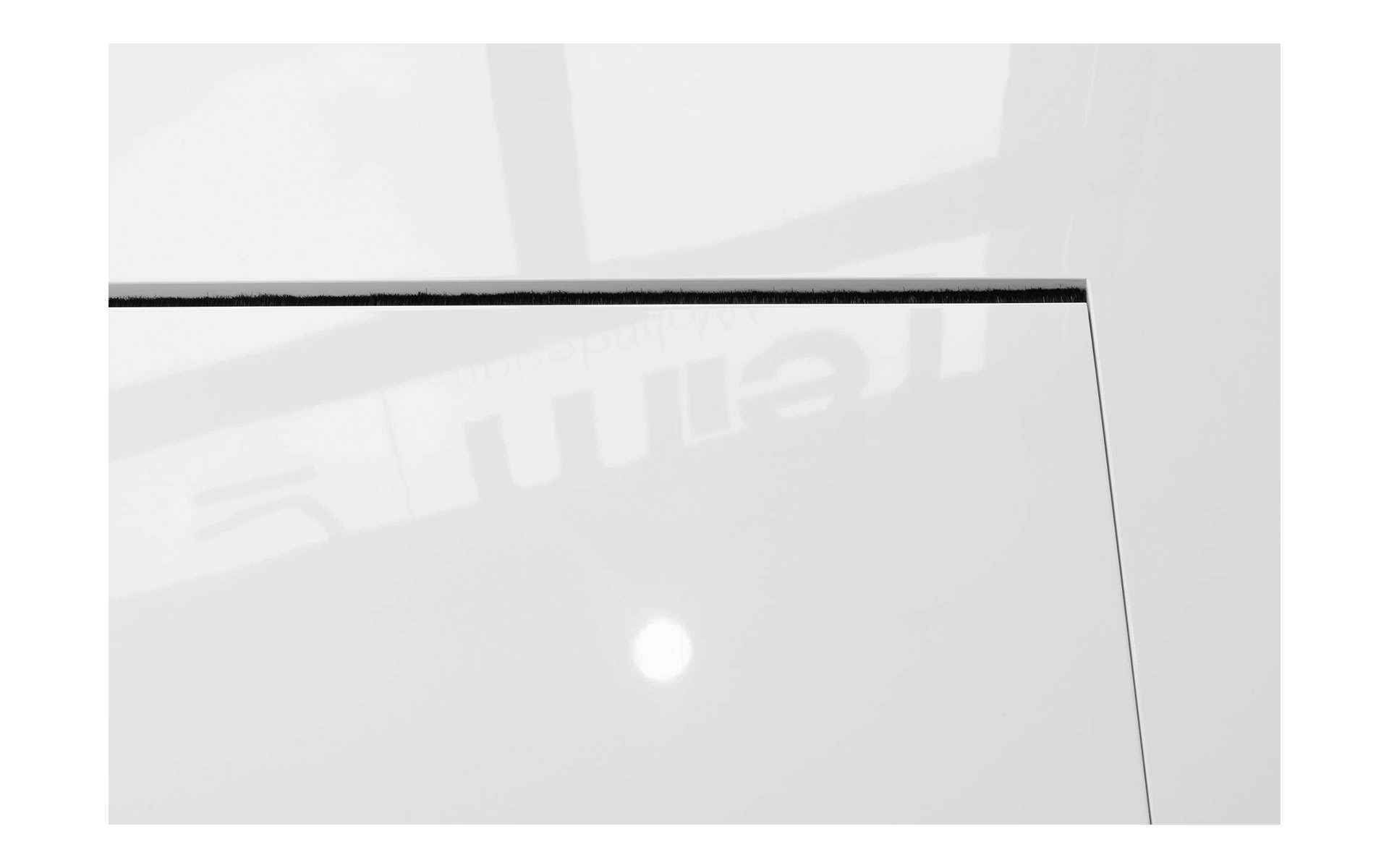
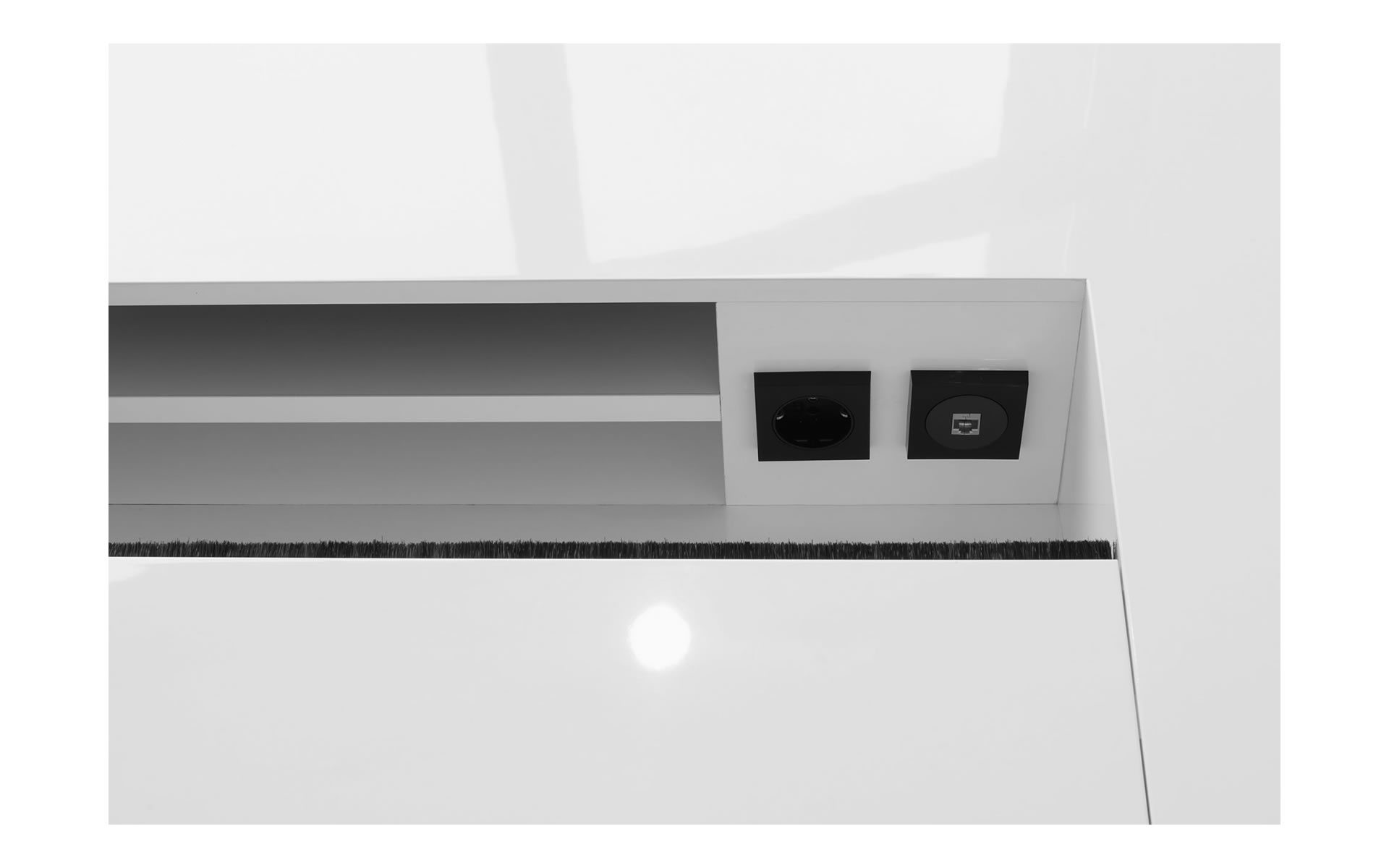
The furniture is not conceived as decorative individual objects, but as part of an atmospheric overall order. Technology, storage, and functional requirements are fully integrated into the geometry of the objects, allowing calmness and concentration to remain intact within the space.
Particularly within the context of conference and working environments, this approach gains special significance. The exhibited works investigate how architecture and interior design can create conditions that support communication, concentration, and perception without being permanently disturbed by visual overload.
The reduced formal language of the exhibited works consciously relates to the historic Bauhaus architecture of the site. Materiality, proportion, and geometric clarity form a shared design foundation without becoming historicizing.
At the same time, the exhibition illustrates the fundamental position of the work of Felix Schwake between architecture, interior design, and functional art: design should not dominate, but provide life, work, and atmosphere with a calm spatial background.
The presented conference and executive office solutions exemplify how technical functionality, storage, and organizational requirements can be fully integrated without sacrificing spatial clarity.
The permanent exhibition at the BSK Designhaus made this design philosophy continuously accessible to the public and situated the works within a broader architectural and cultural-historical context.