
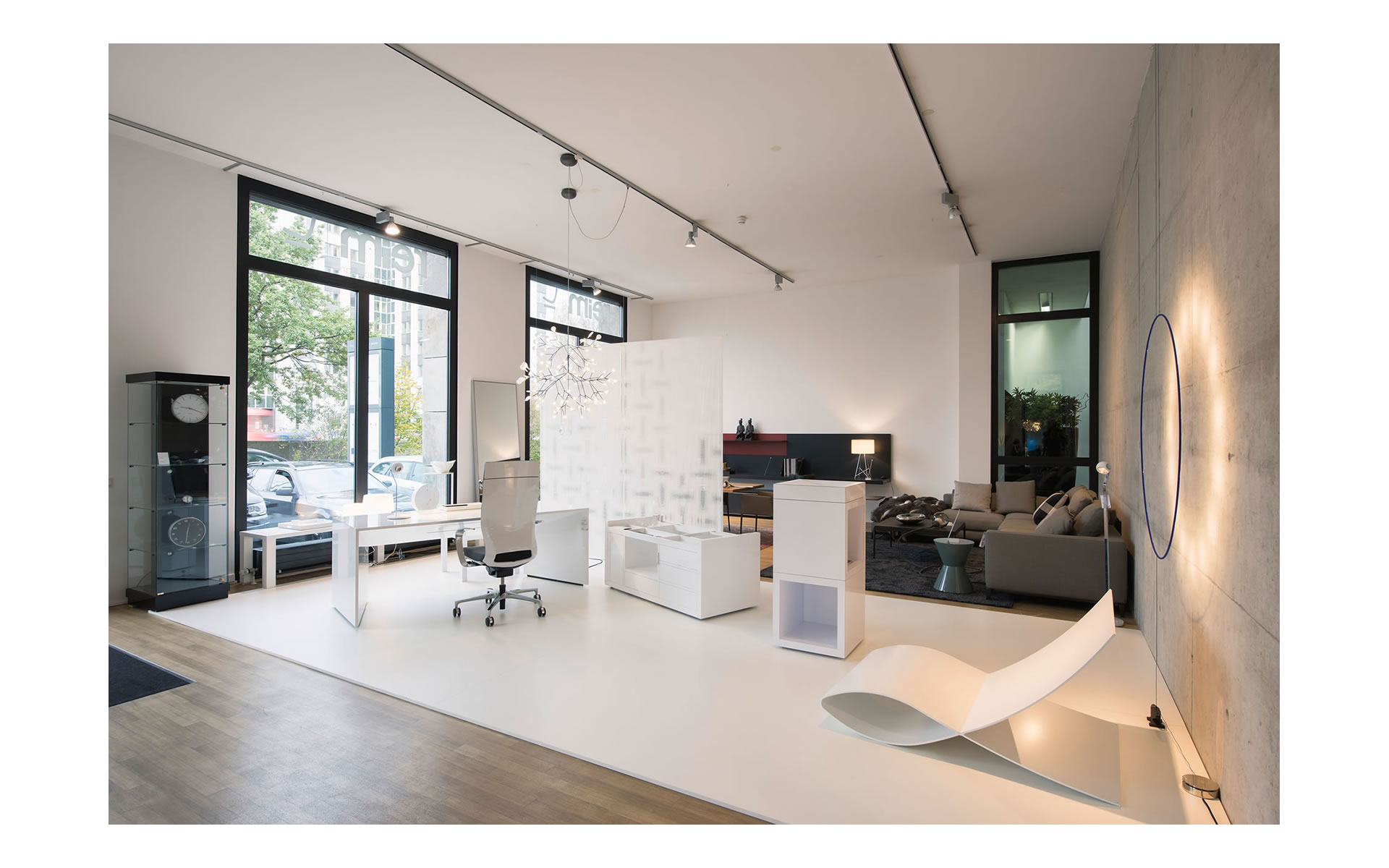
Deep White
Exhibition, Nuermberg
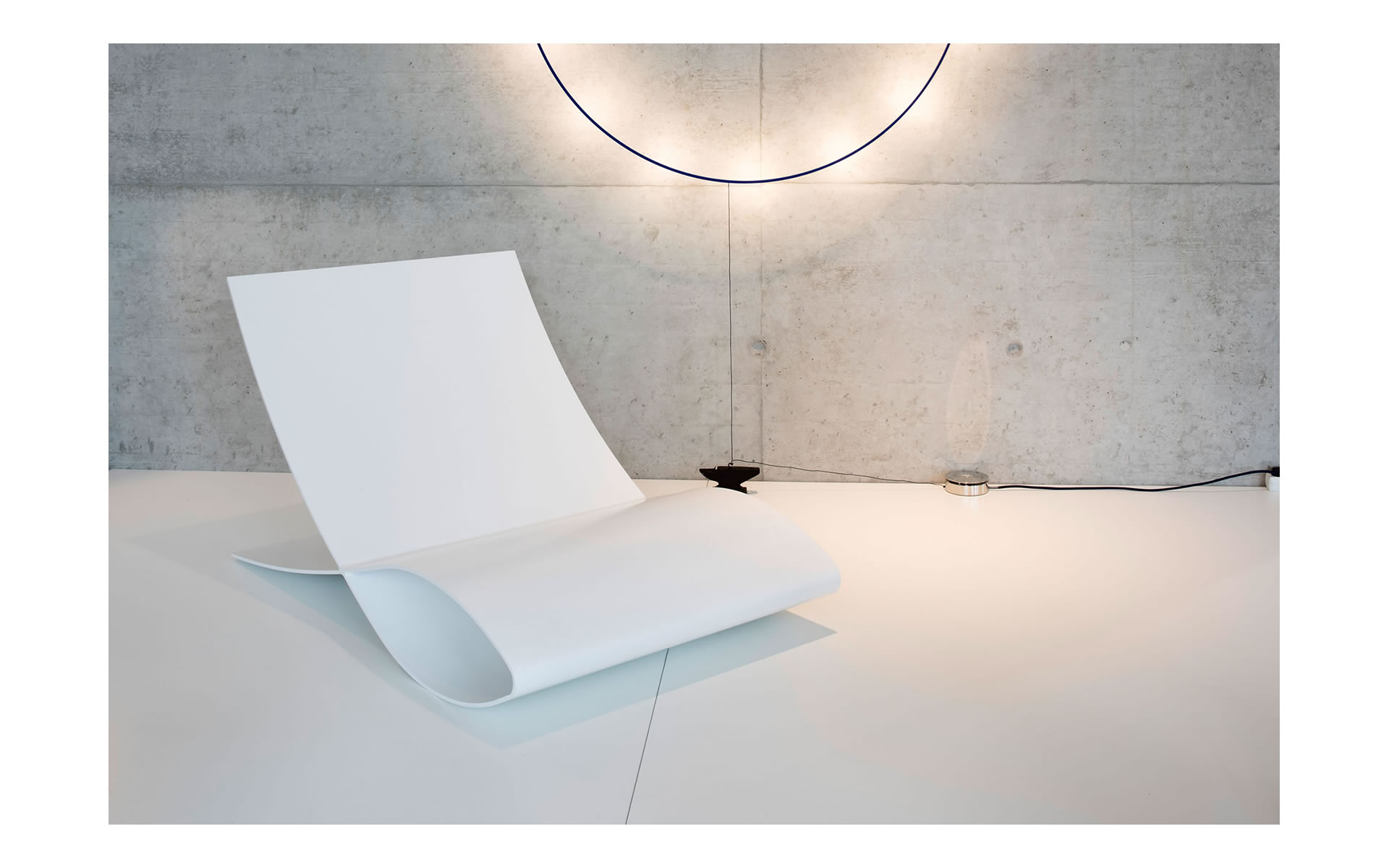
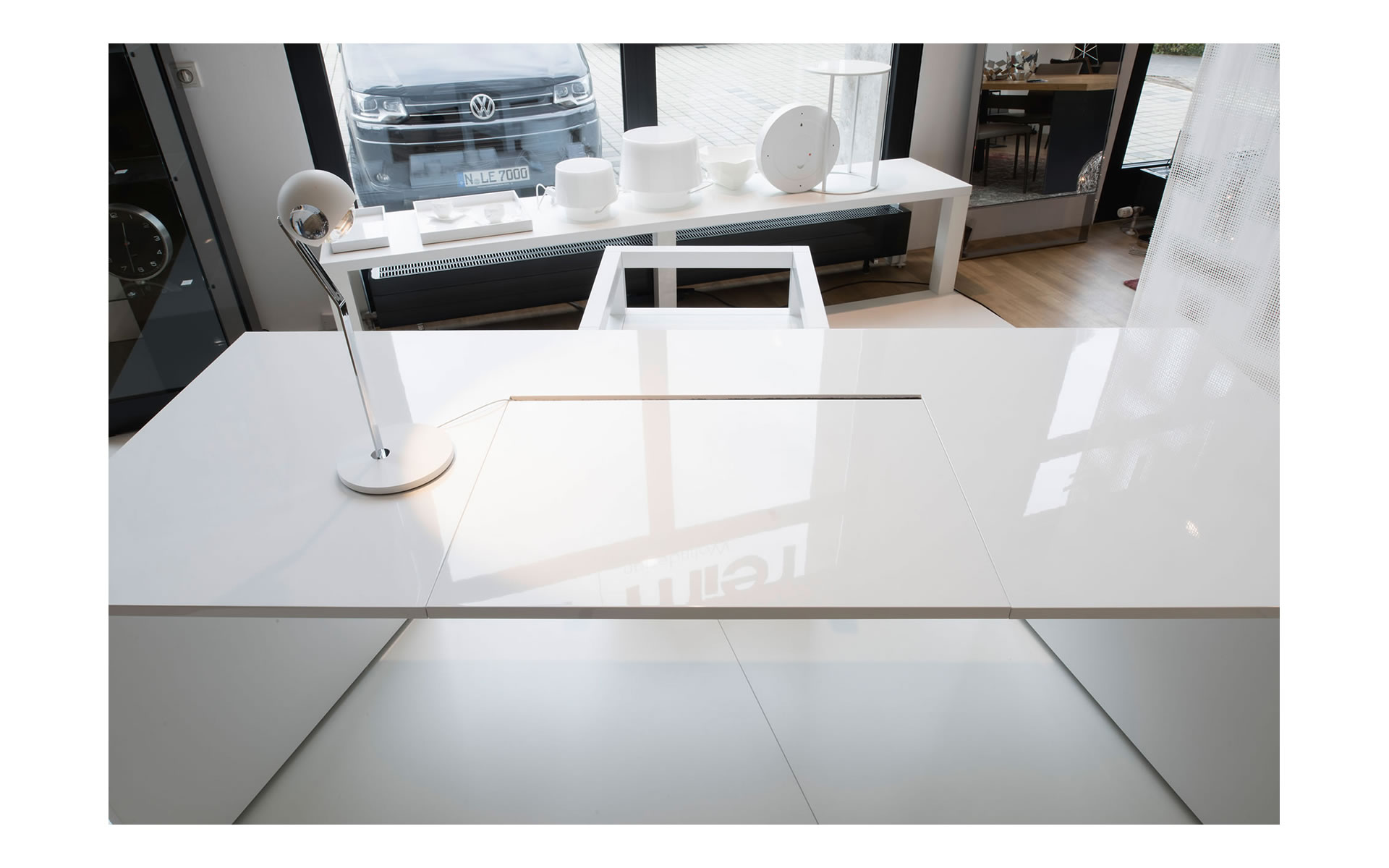
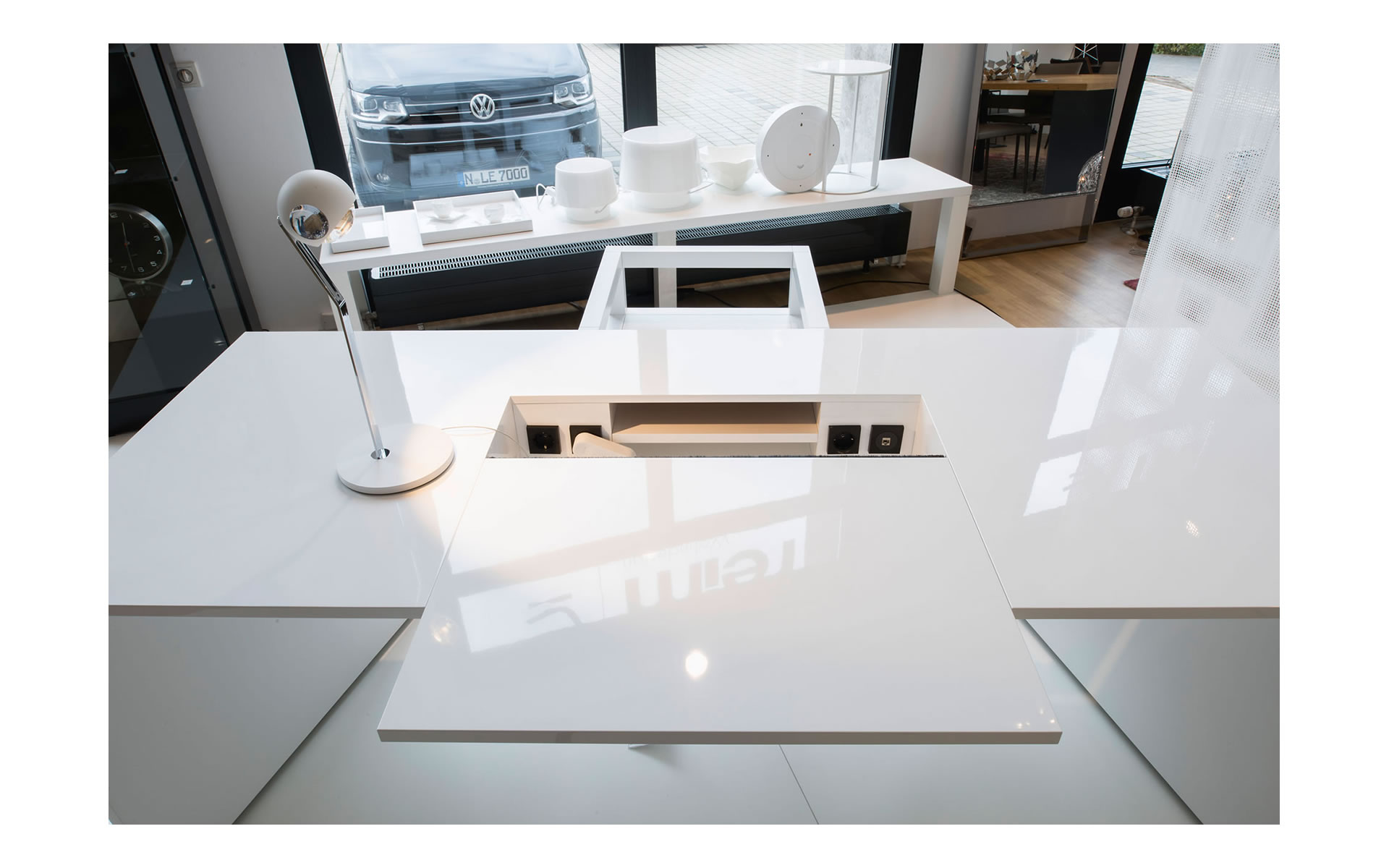
“Deep White” was conceived as a spatial experiment investigating the perception of calmness, clarity, and orientation through radical reduction. The project originated from a shared consideration by Norbert Haas and Felix Schwake: whether a completely white space could become not only aesthetically effective, but also emotionally and atmospherically perceptible.
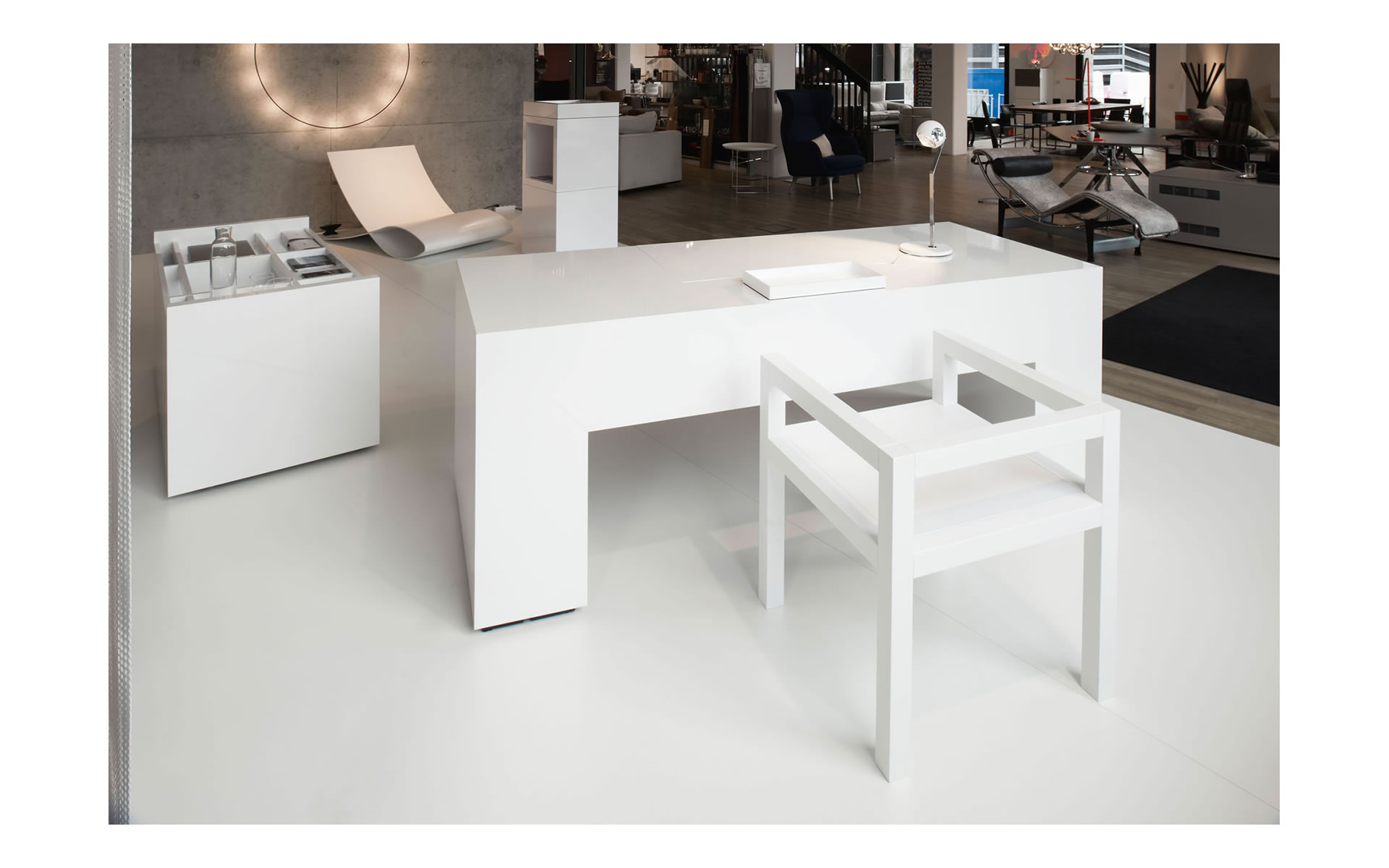
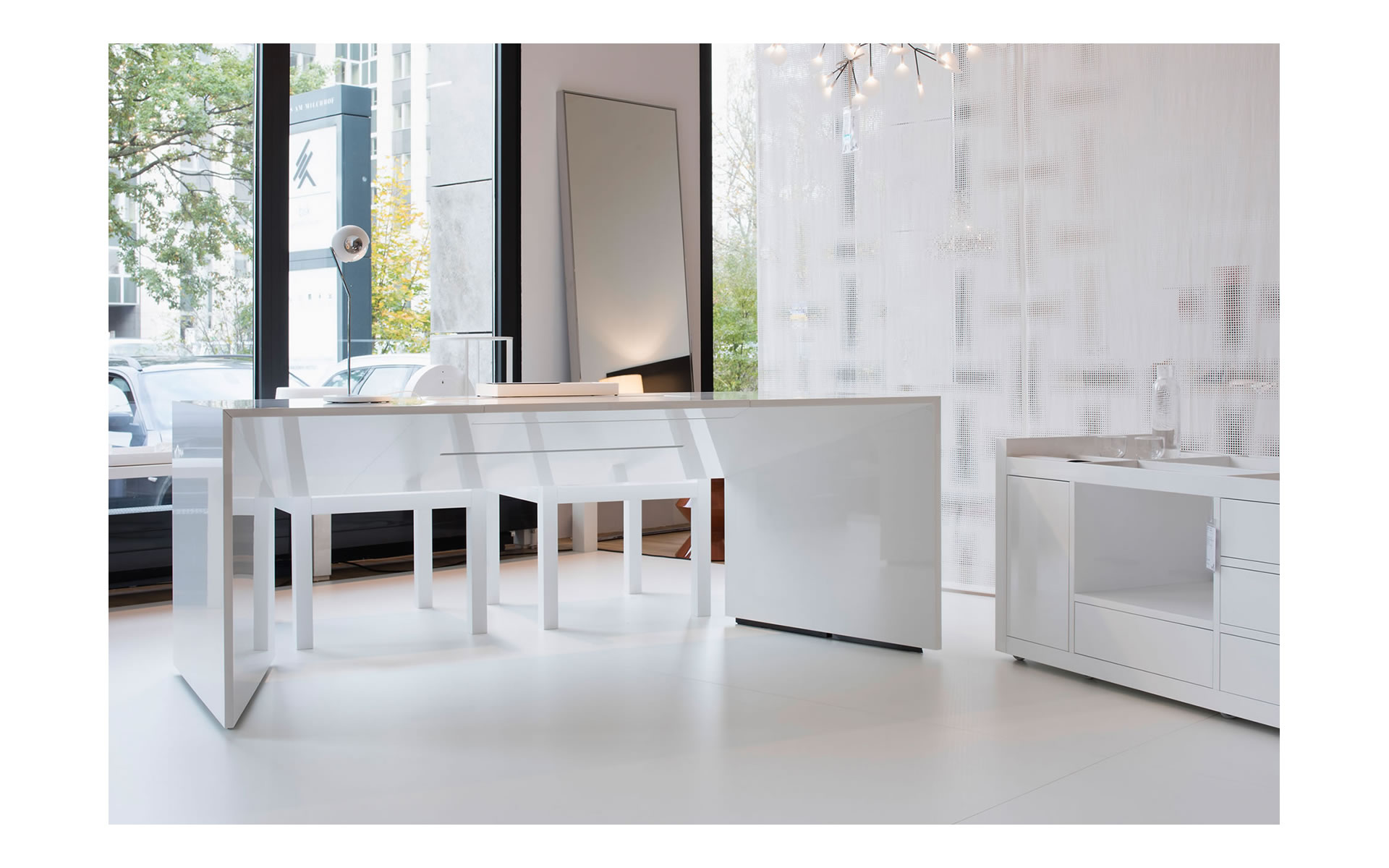
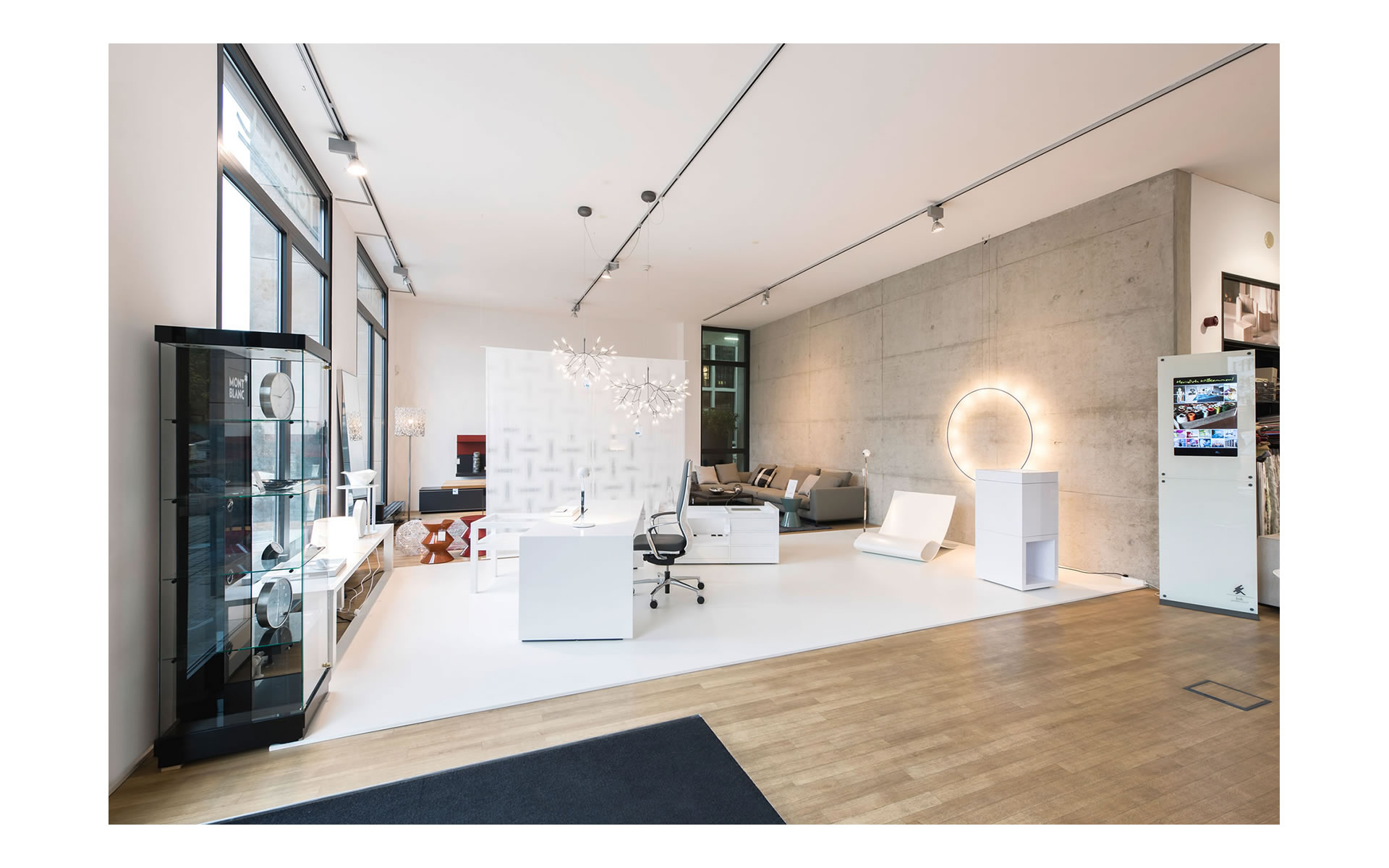
The exhibition explores the effect of a physically clearly defined space whose visual depth appears to dissolve through the complete reduction to white. Walls, surfaces, light, and objects no longer emerge as separate elements, but merge into a unified spatial atmosphere.
As a result, the space loses its conventional visual legibility and instead generates a sense of openness, calmness, and concentration. Orientation no longer arises primarily through decorative distinctions or strong material contrasts, but through light, proportion, and bodily perception.
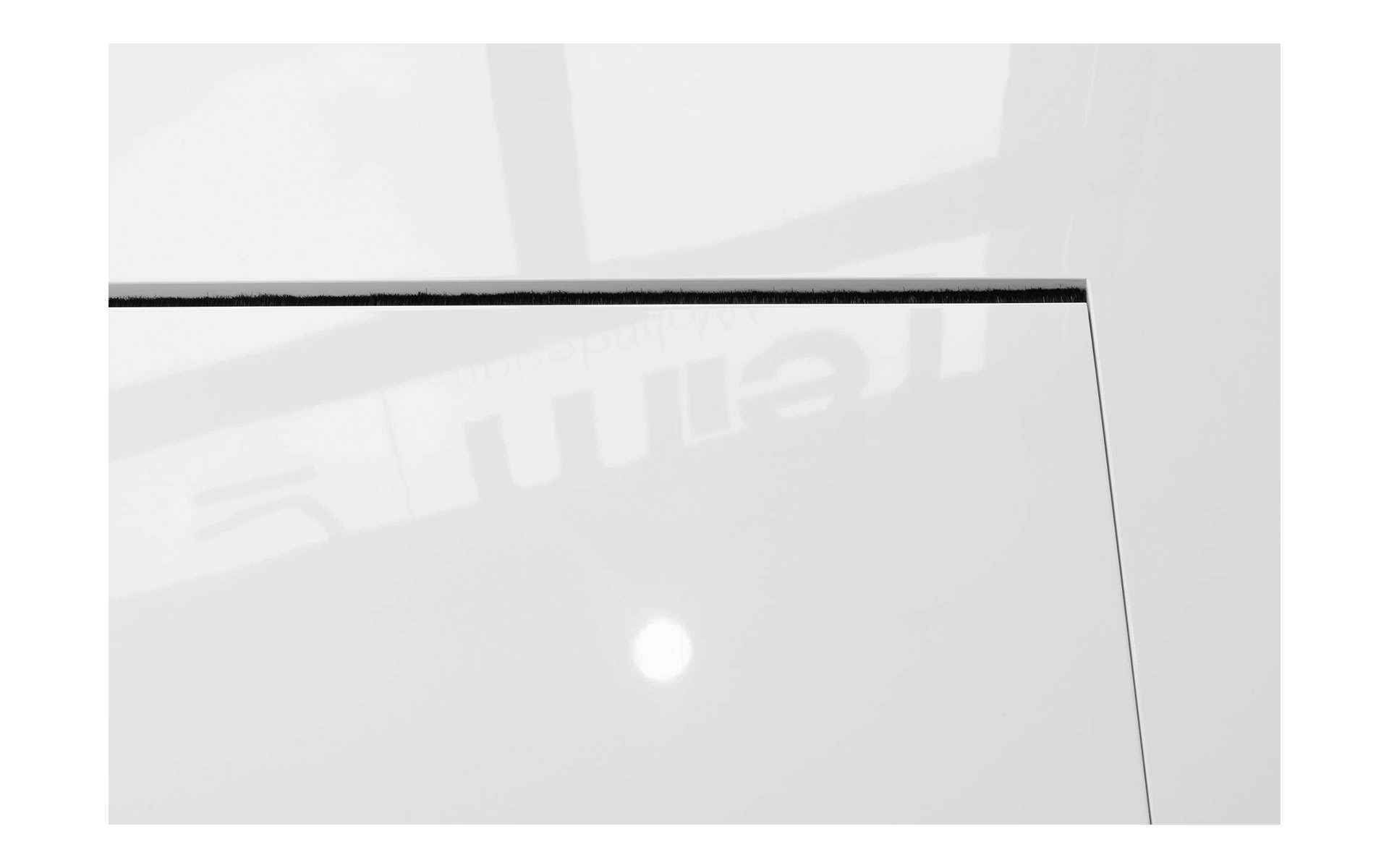
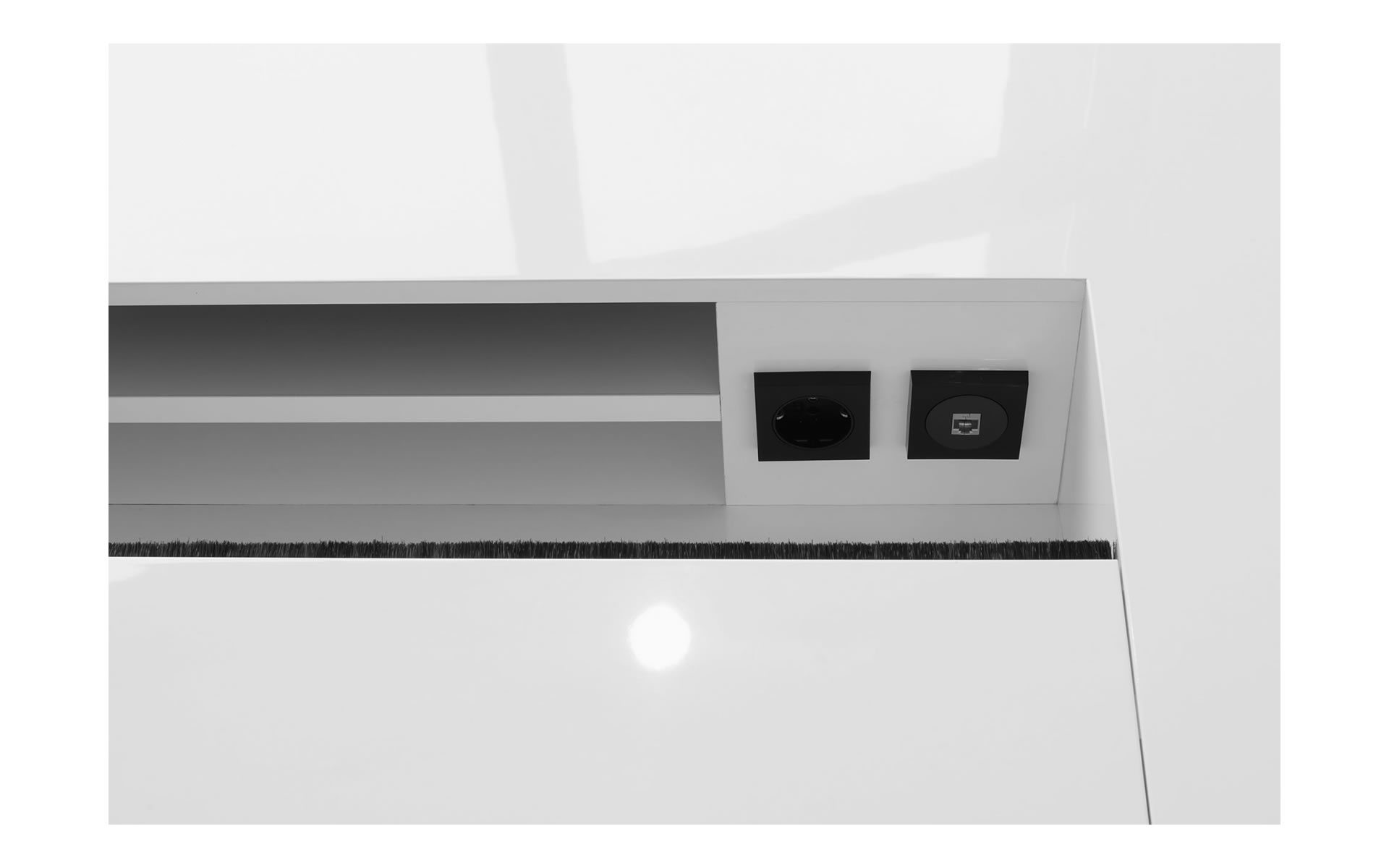
Within the exhibition, white is not understood as a decorative color, but as a spatial medium. The conscious reduction of visual stimuli alters the perception of distance, materiality, and presence. Visitors experience the space less as an object and more as an atmospheric condition.
This approach is closely connected to the design position of Felix Schwake between architecture, interior design, and functional art. Spaces should not operate through permanent visual assertion, but instead create conditions in which calmness, concentration, and perception become possible.
“Deep White” therefore investigates a central architectural question: how does the emotional experience of a place change when material, color, and form are reduced to a minimum?
The project consciously positions itself between exhibition, spatial installation, and architecture. It understands space itself as the actual content of the work.
The exhibition “Deep White” was shown at the Palais am Milchhof in Nuremberg and was publicly accessible from February 1, 2014 until December 31, 2014.