
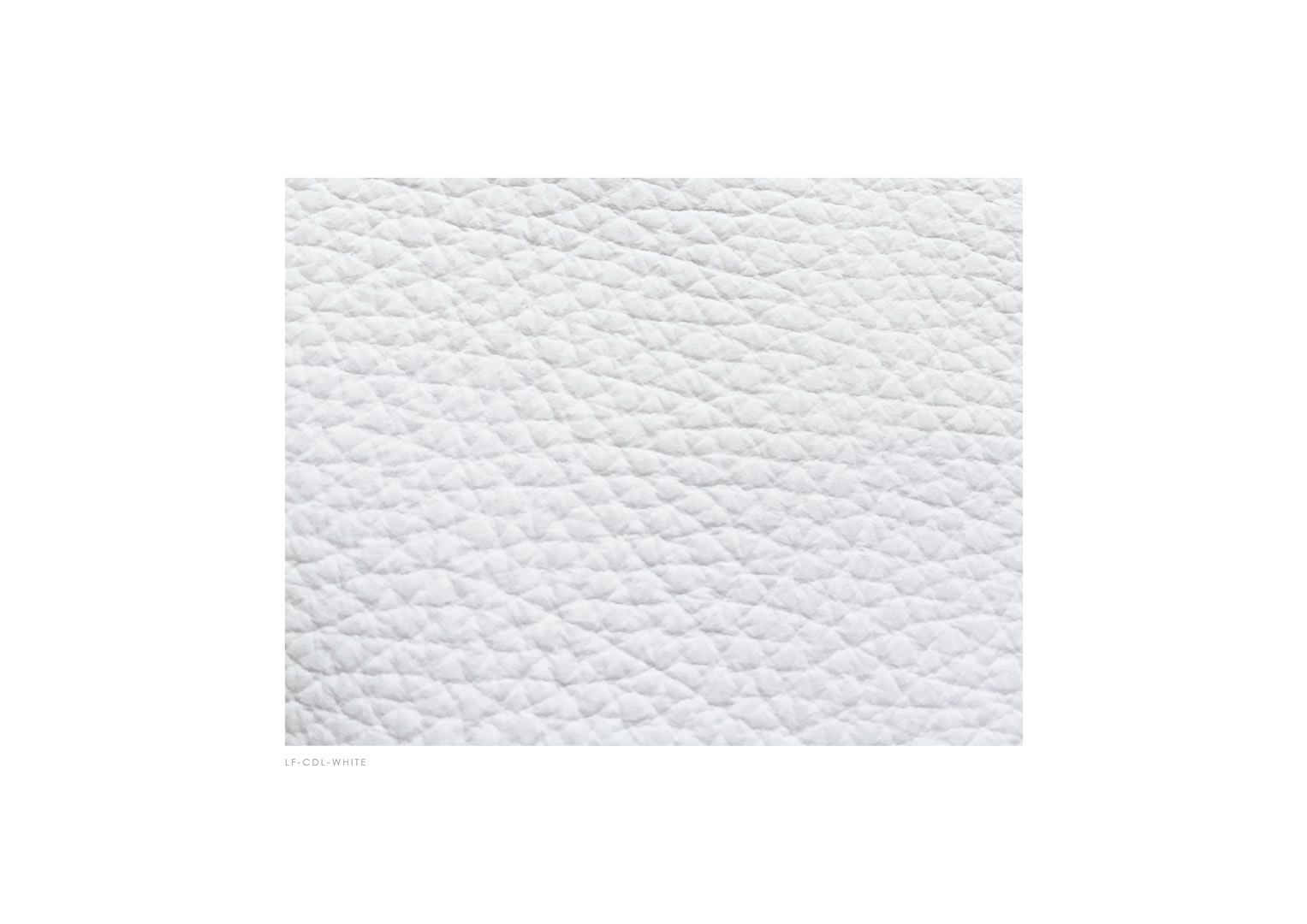
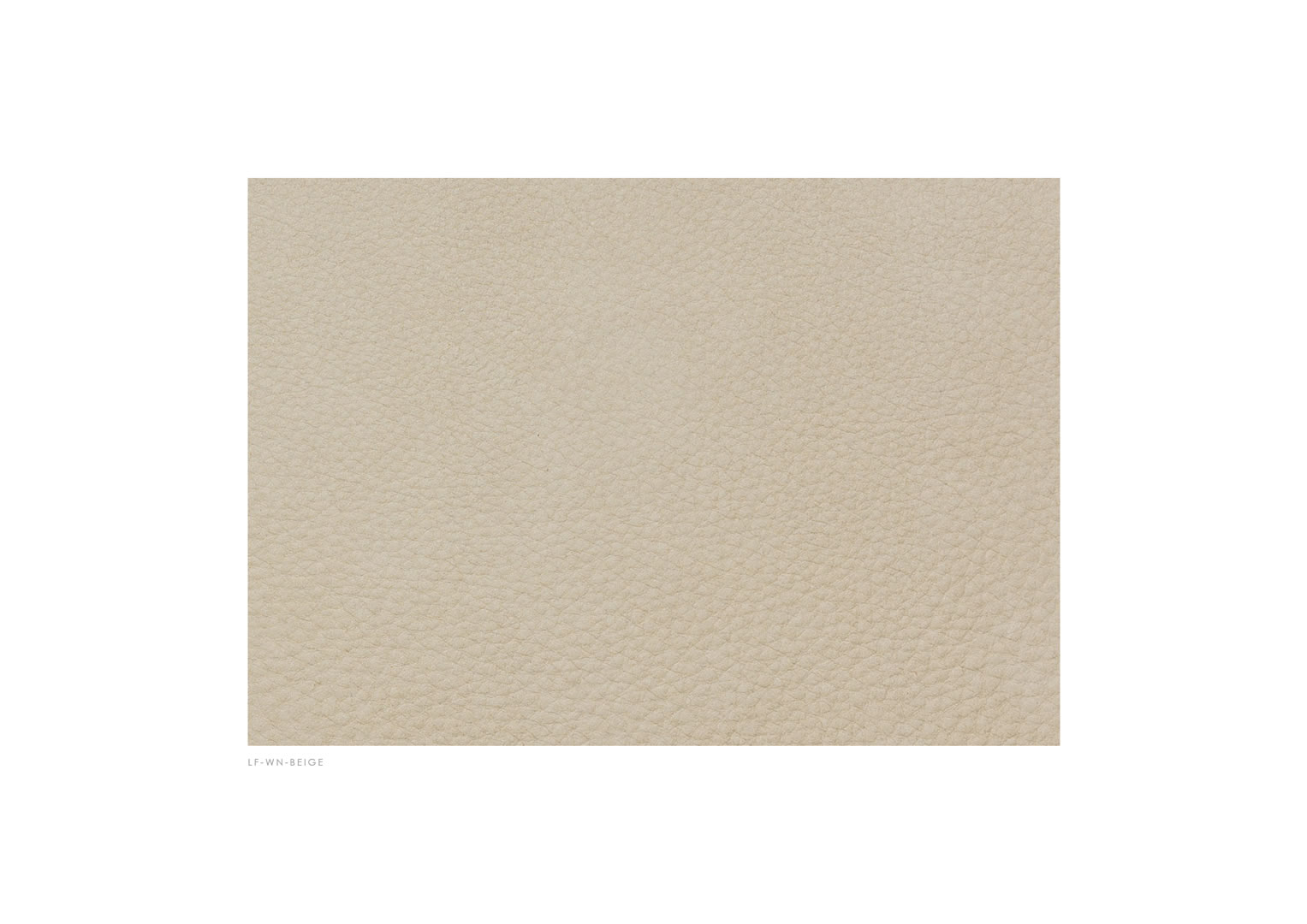
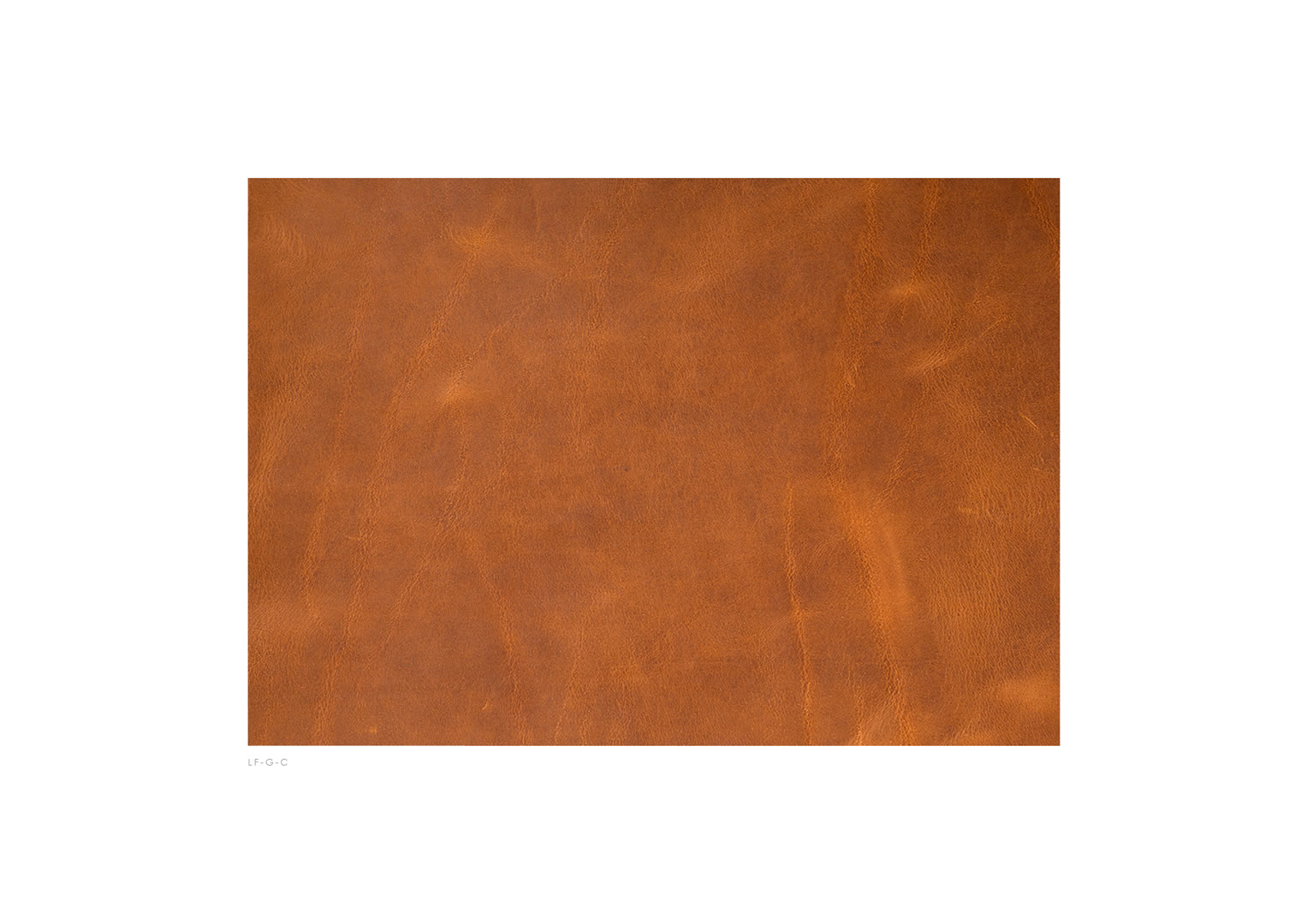
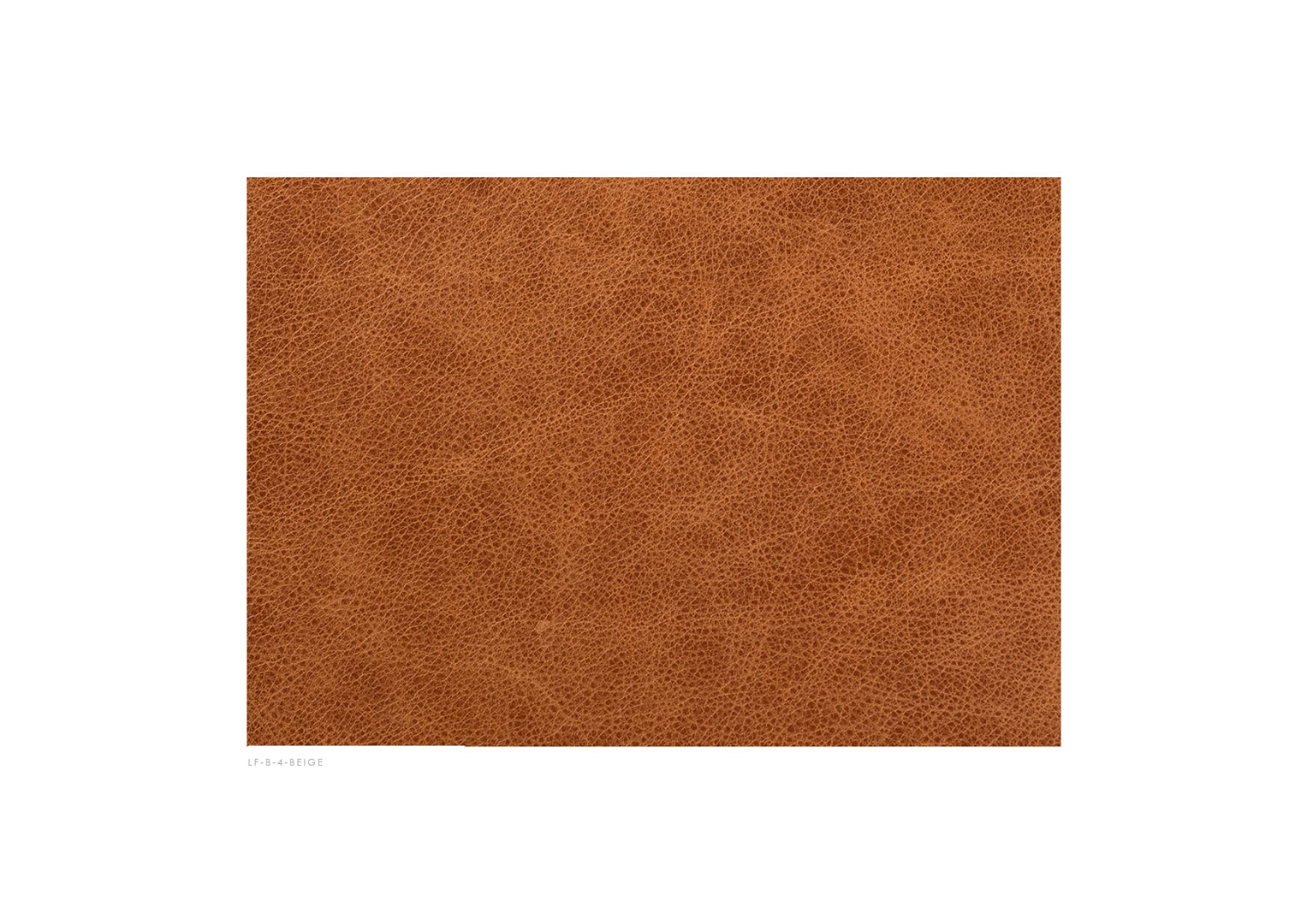
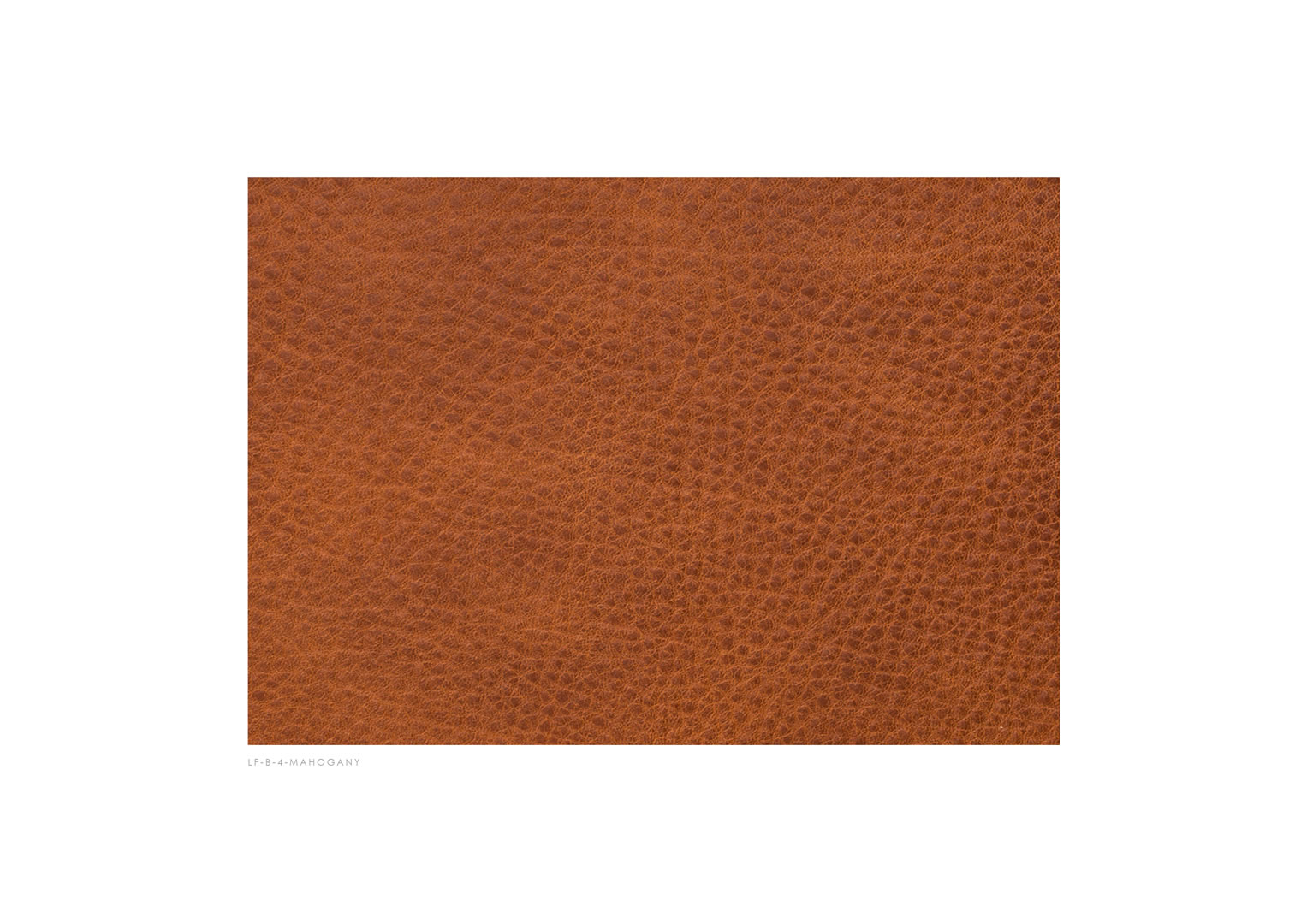
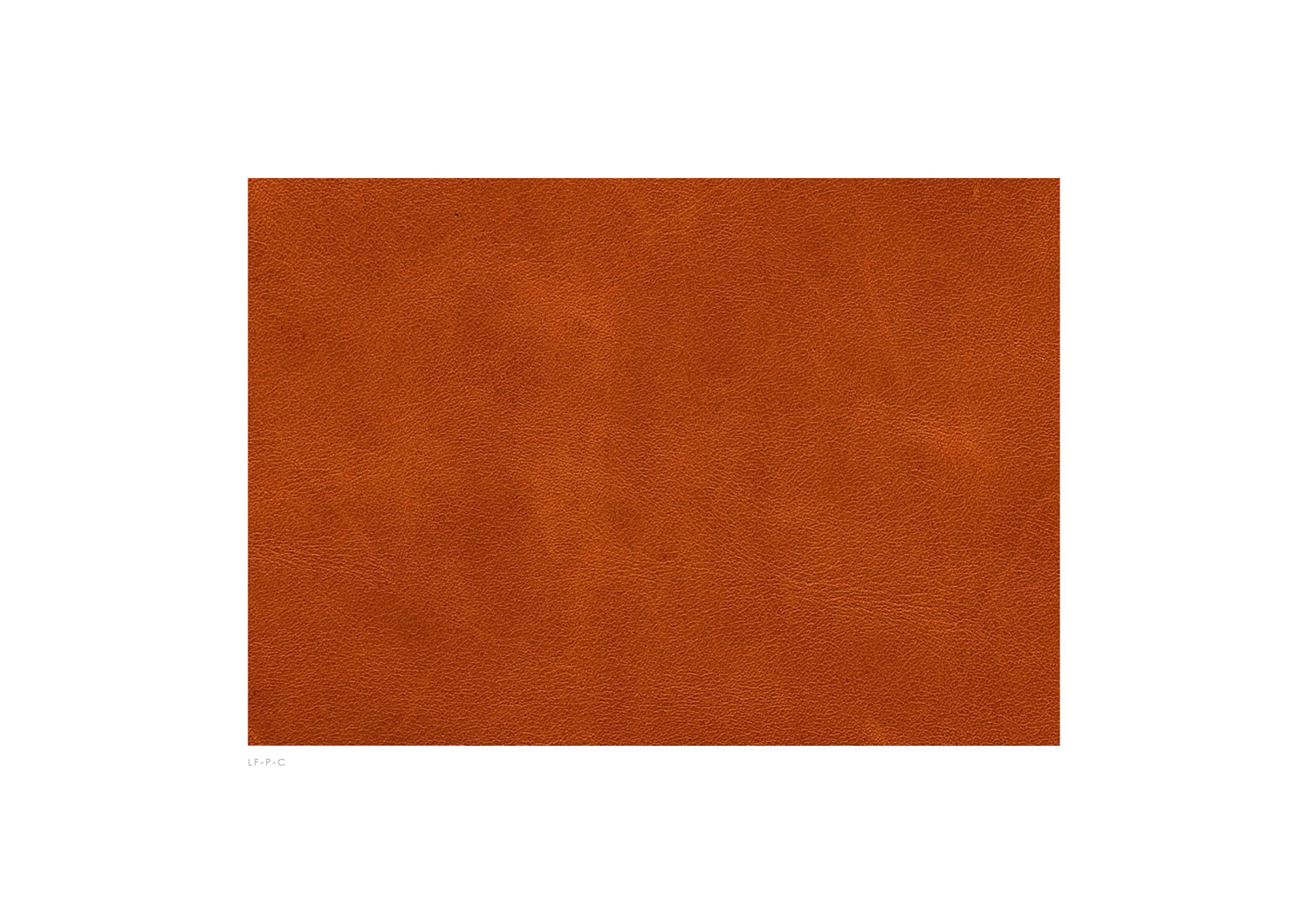
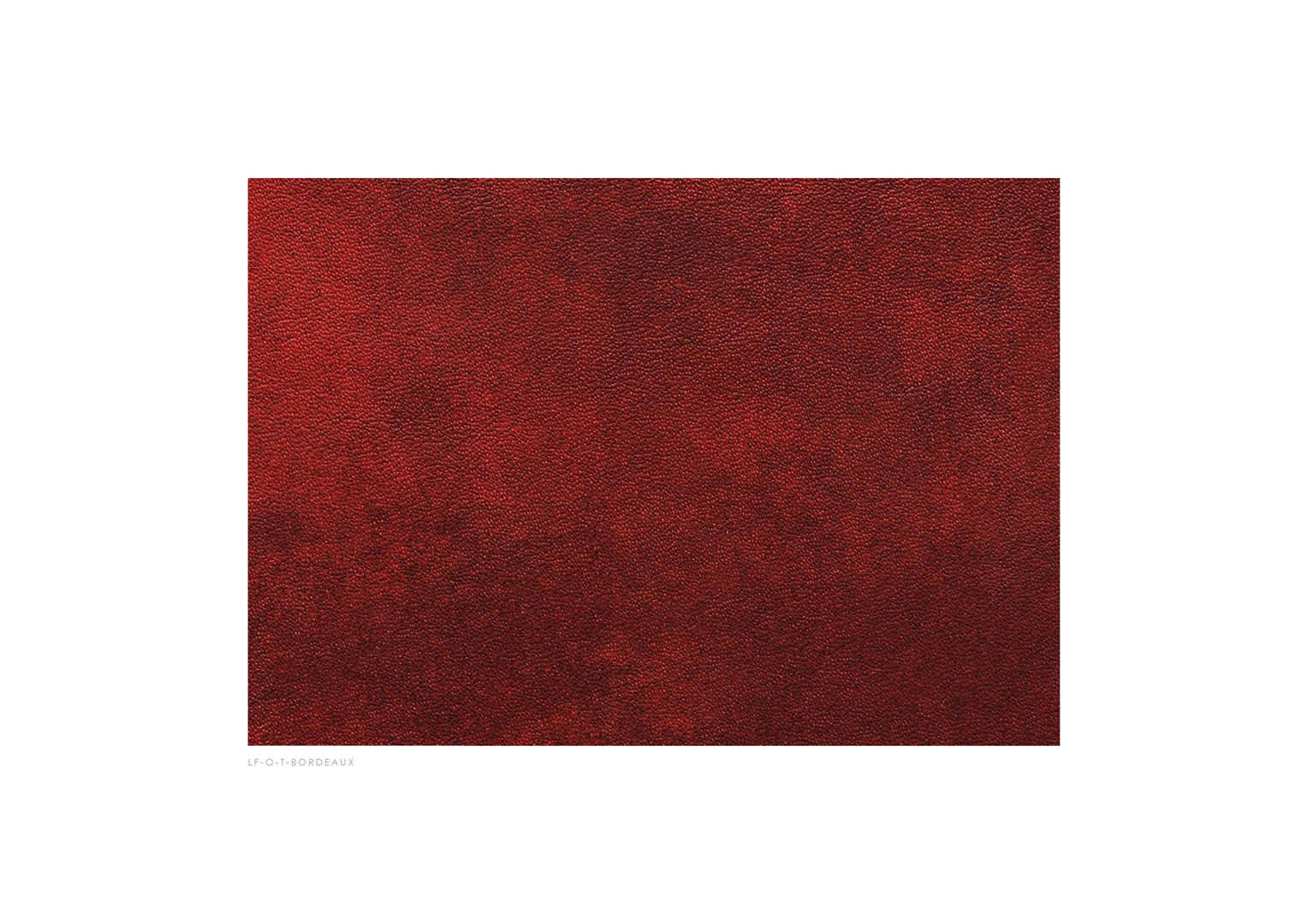
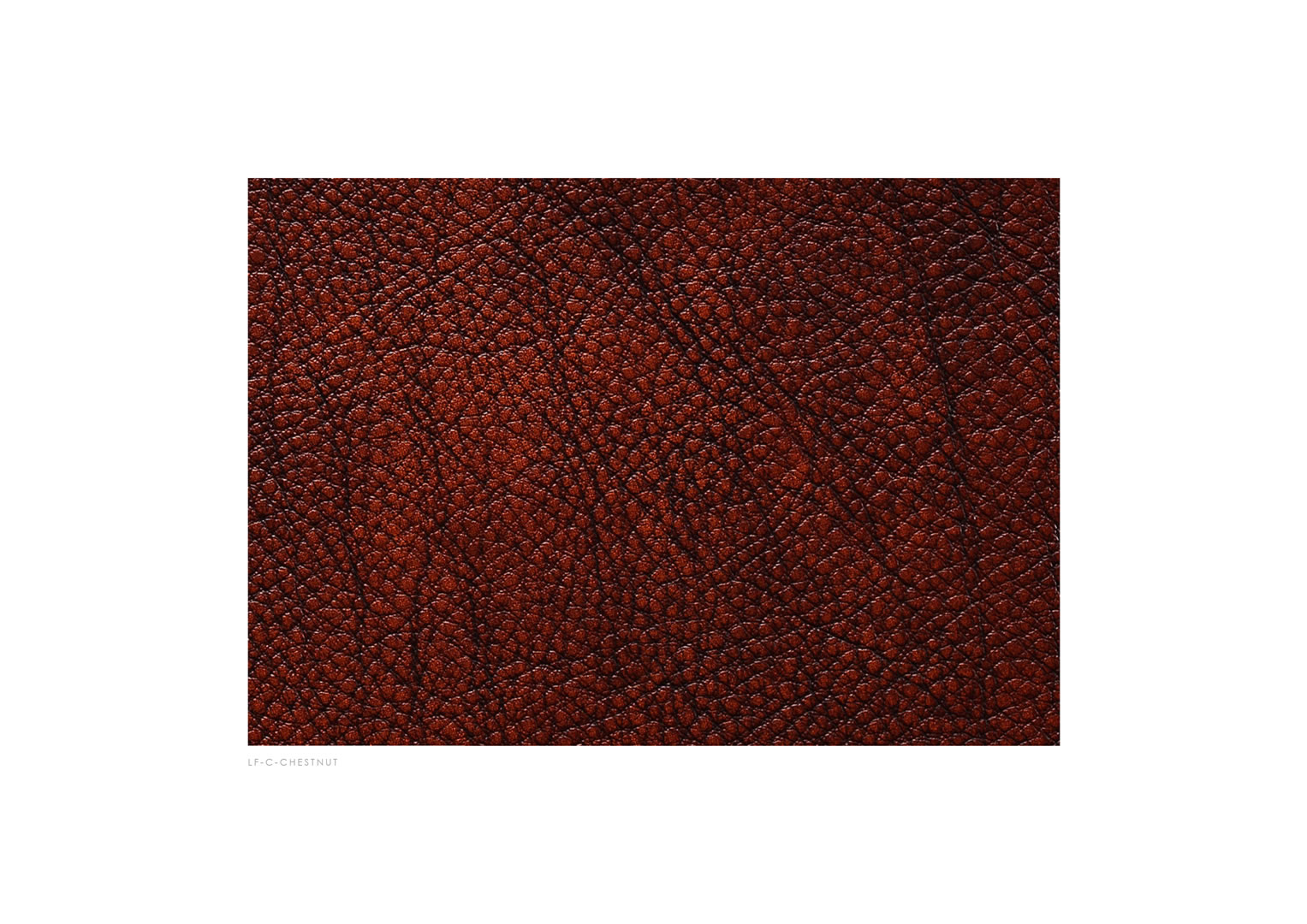
Leather
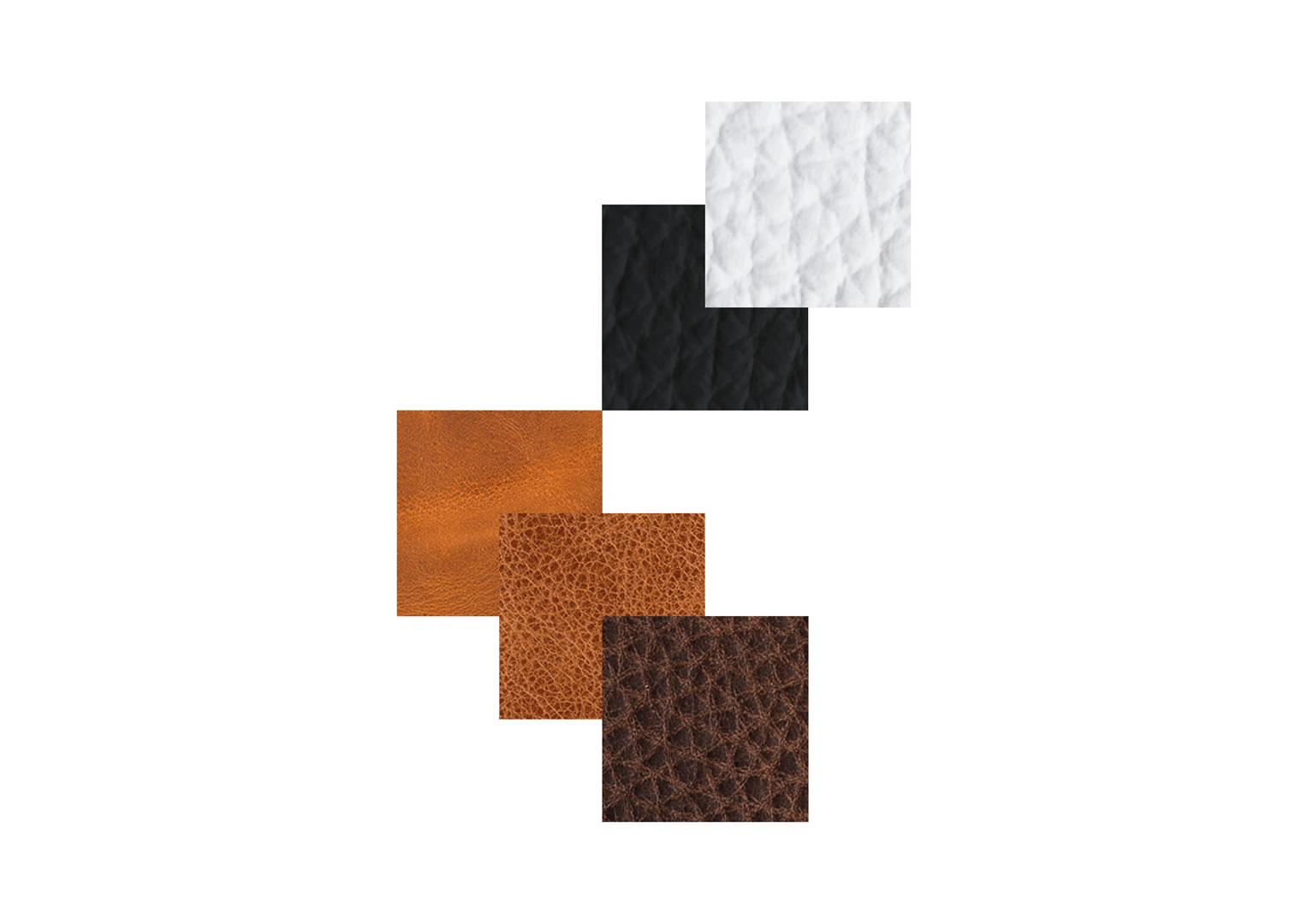
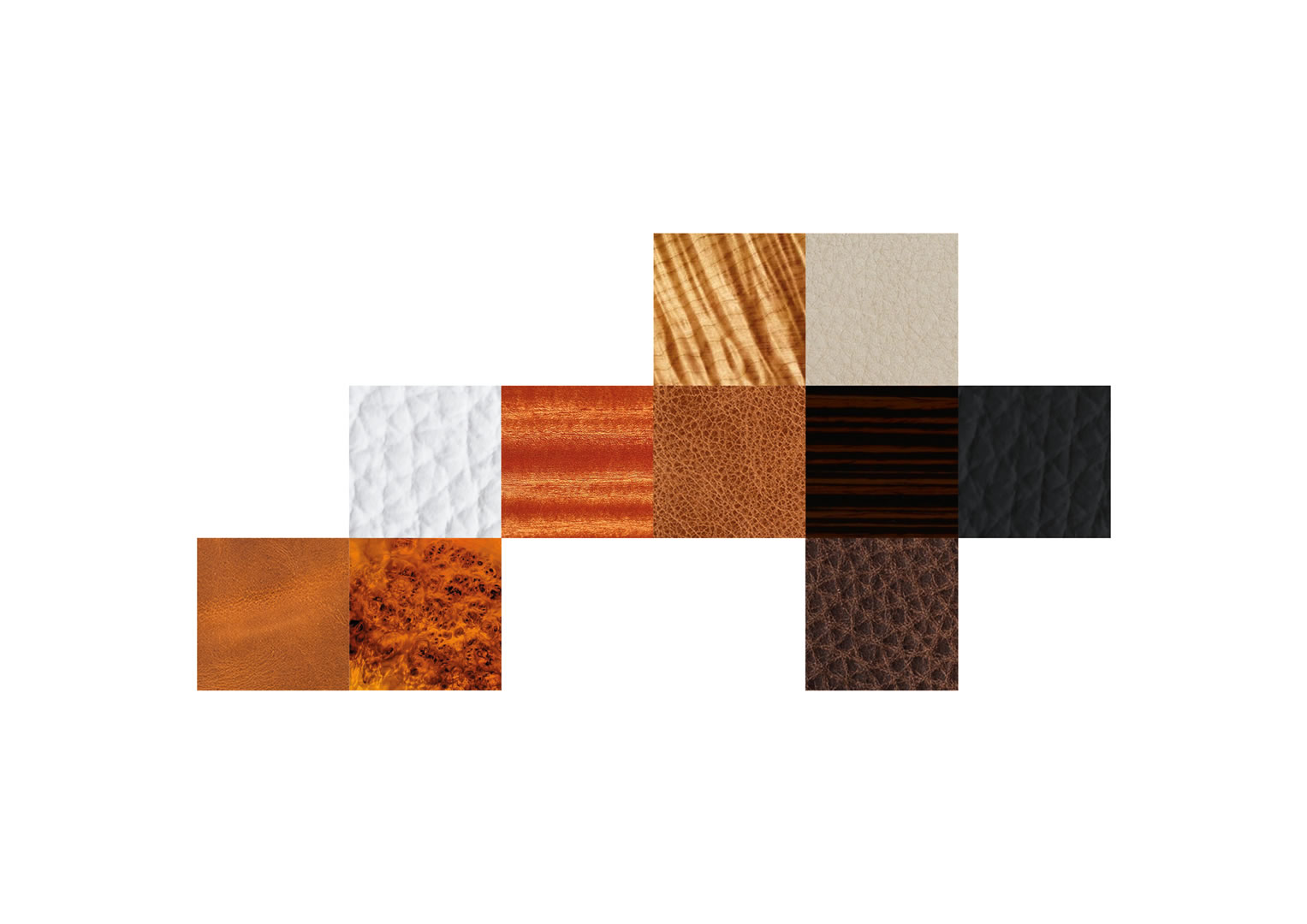
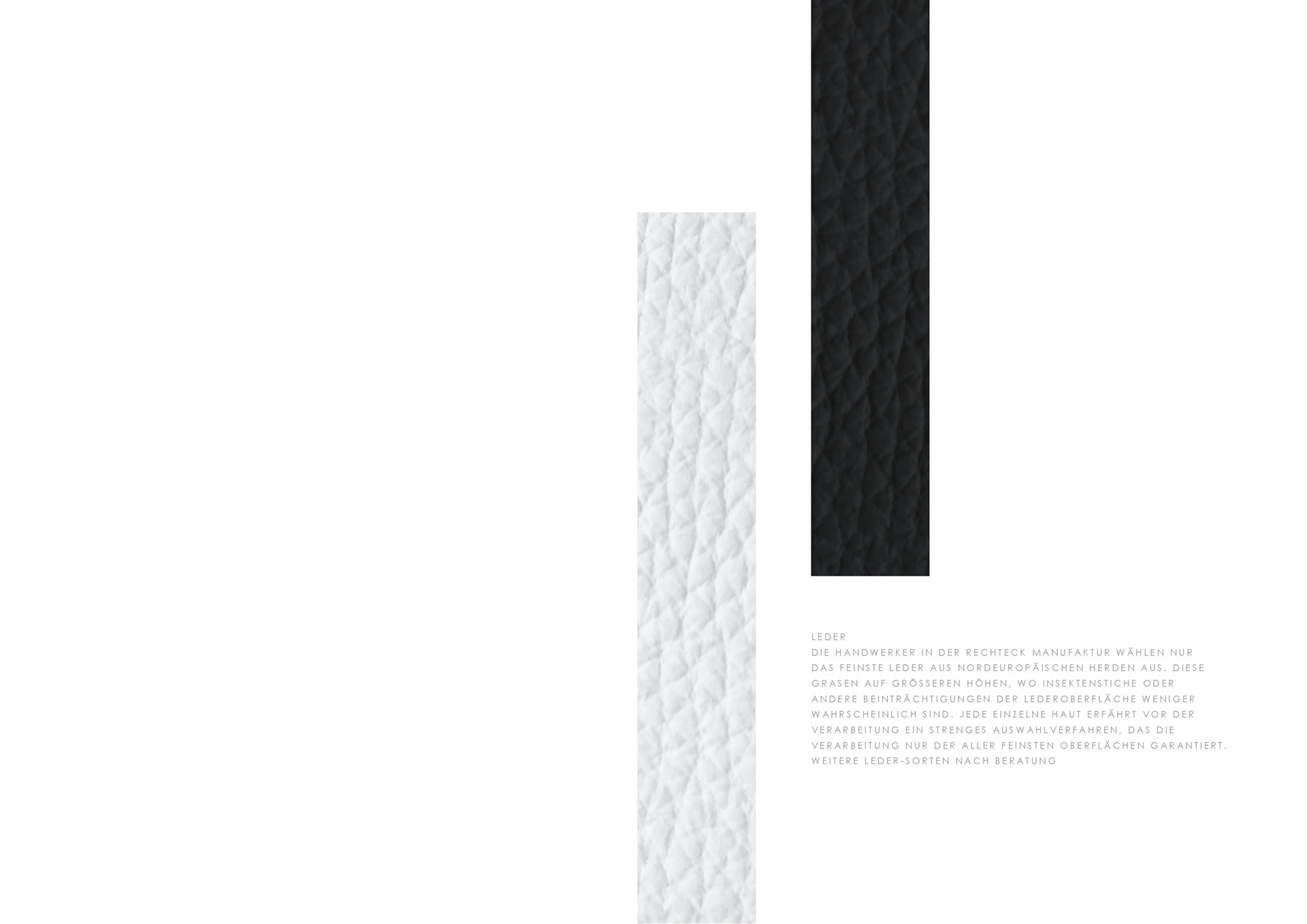
Leather possesses a distinctive spatial and material quality. It responds to touch, use, and time. Surface, structure, and patina evolve through use and directly record human presence within the material itself.
For this reason, the works of Felix Schwake do not use leather merely as a decorative surface, but as an essential component of spatial atmosphere. Materiality is understood as a long-term experience that continues to develop through use and gains character over time.
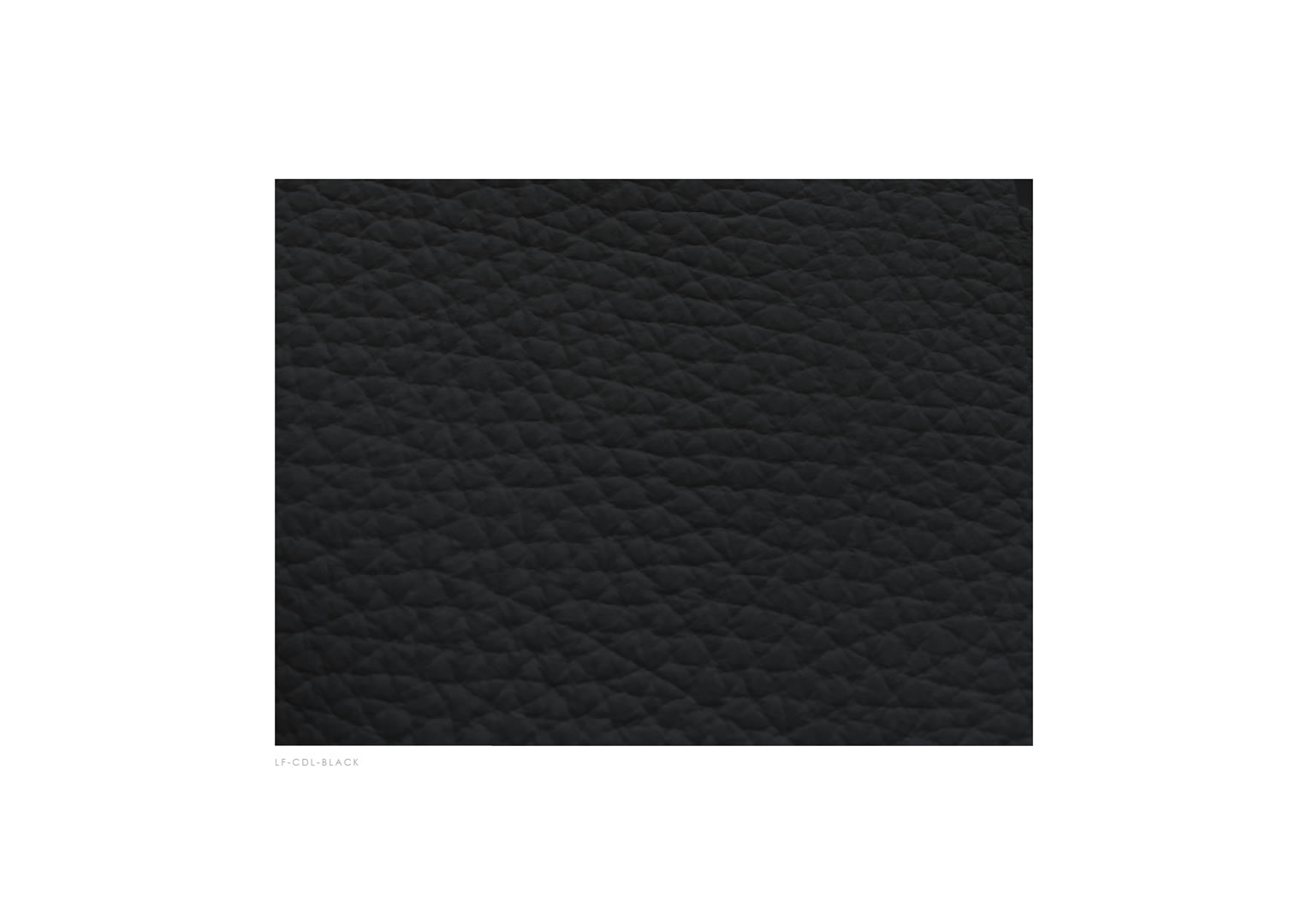
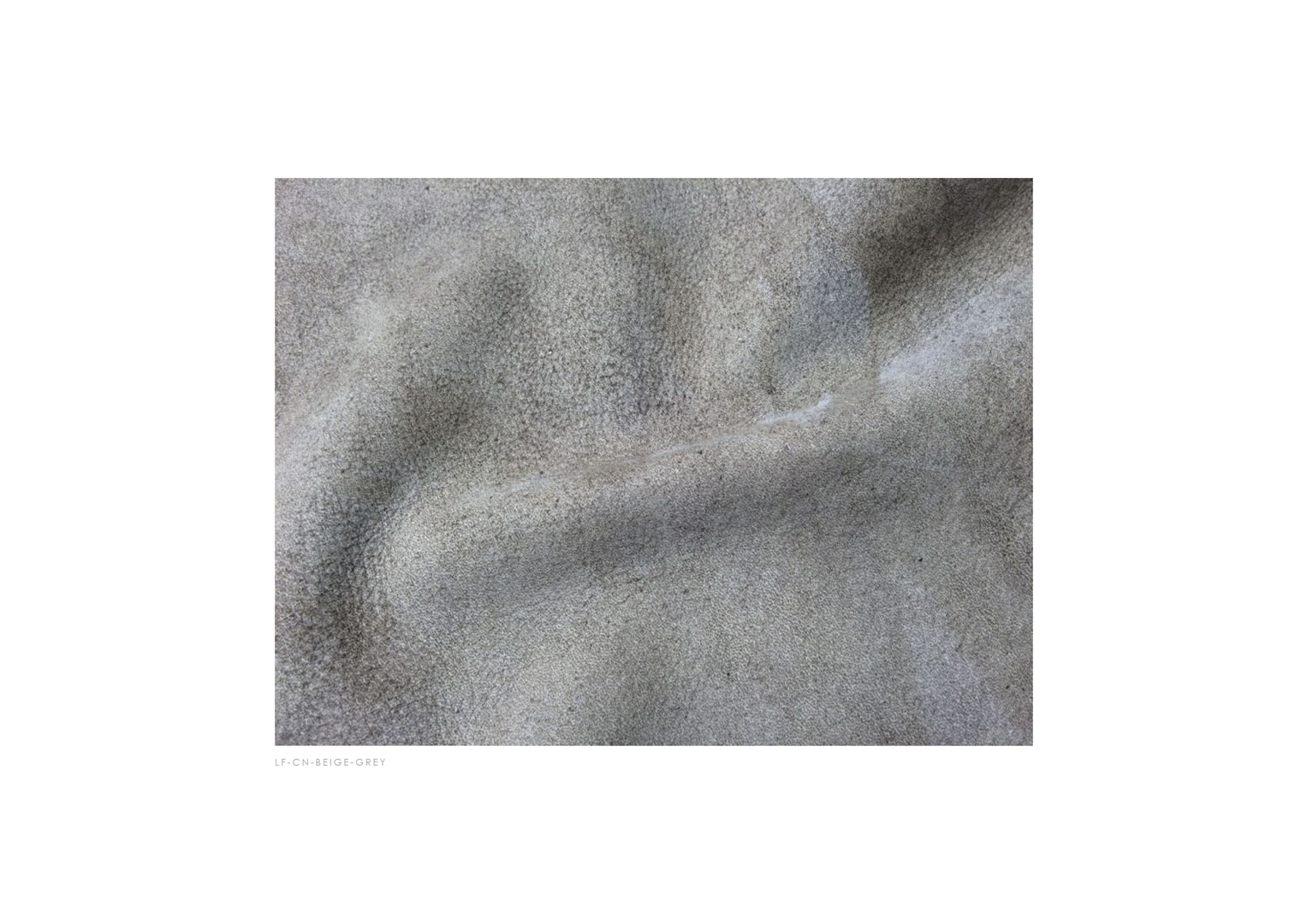
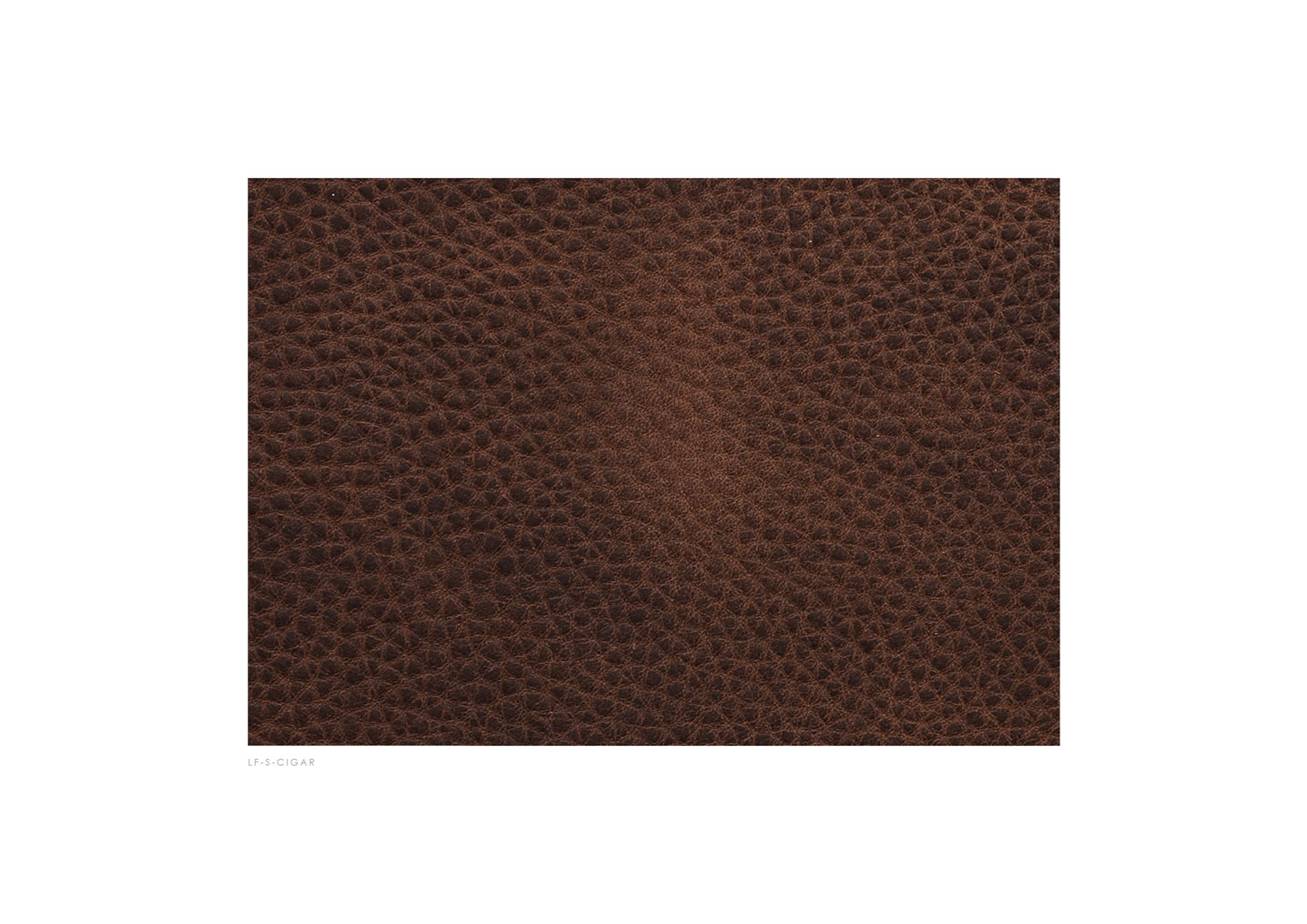
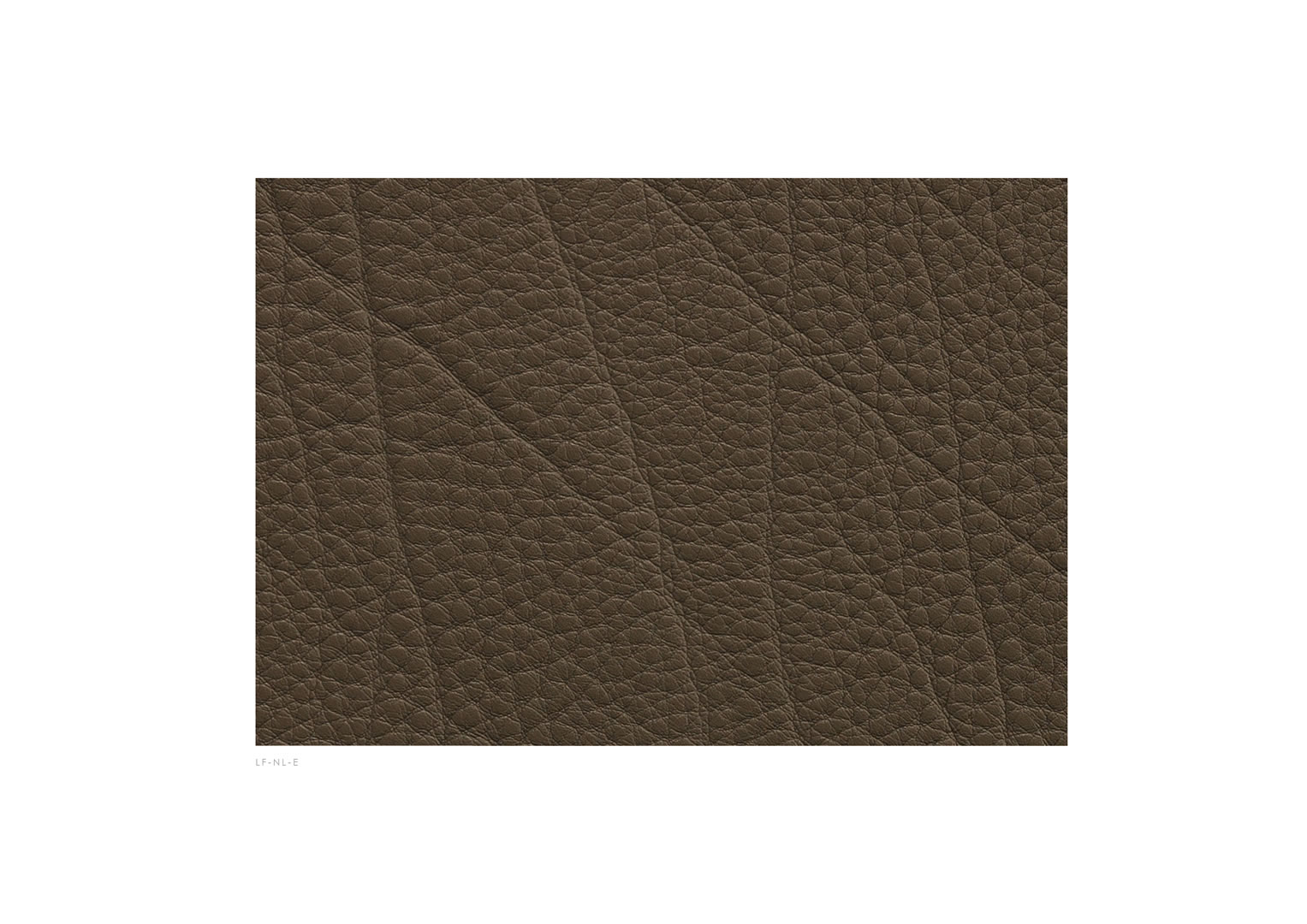
Every custom-made piece emerges from the deliberate relationship between function, material, and spatial effect. Different tanning processes, surface textures, and color tones allow for individual material qualities that are carefully adapted to the architecture, light conditions, and use of each specific project.
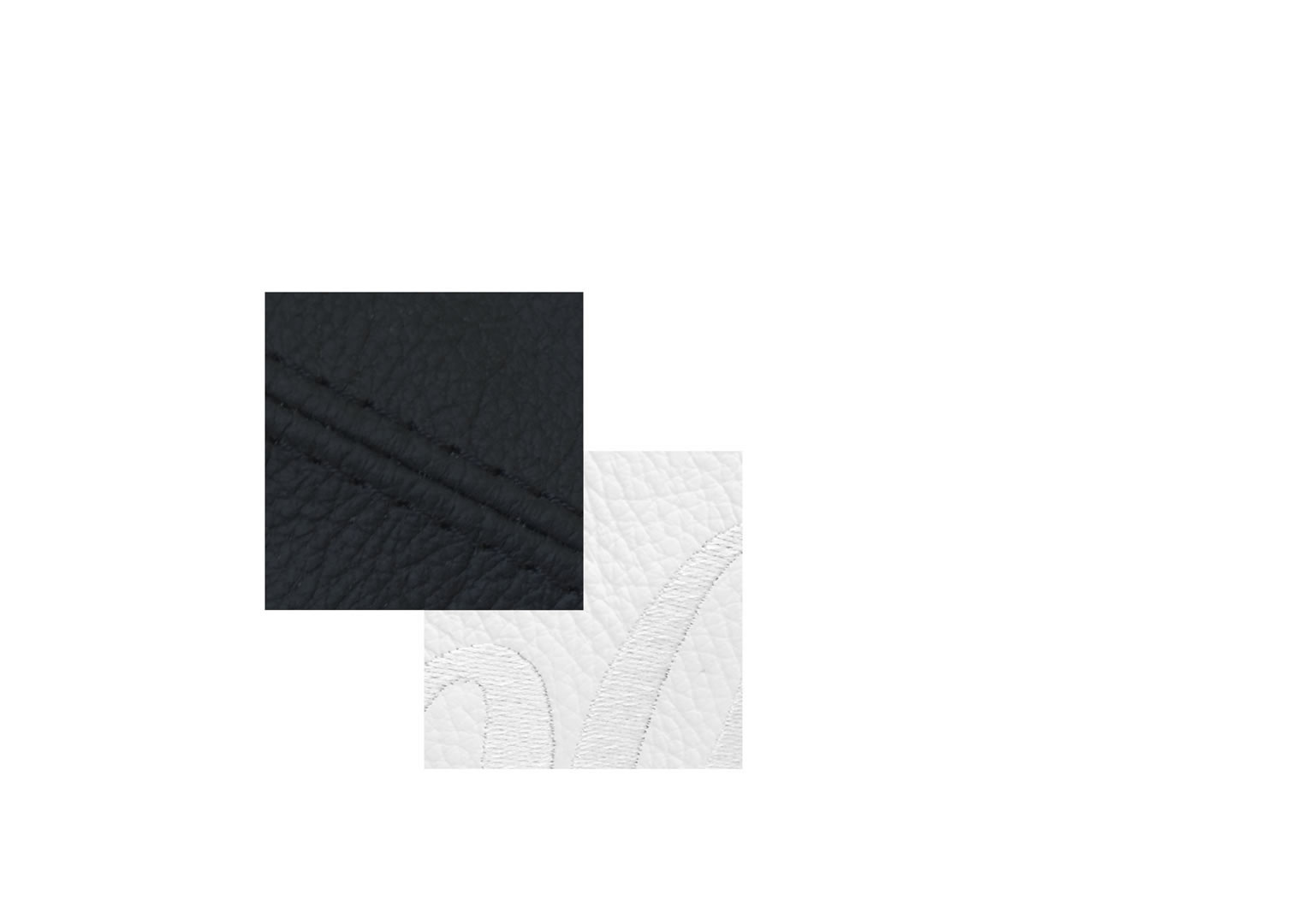
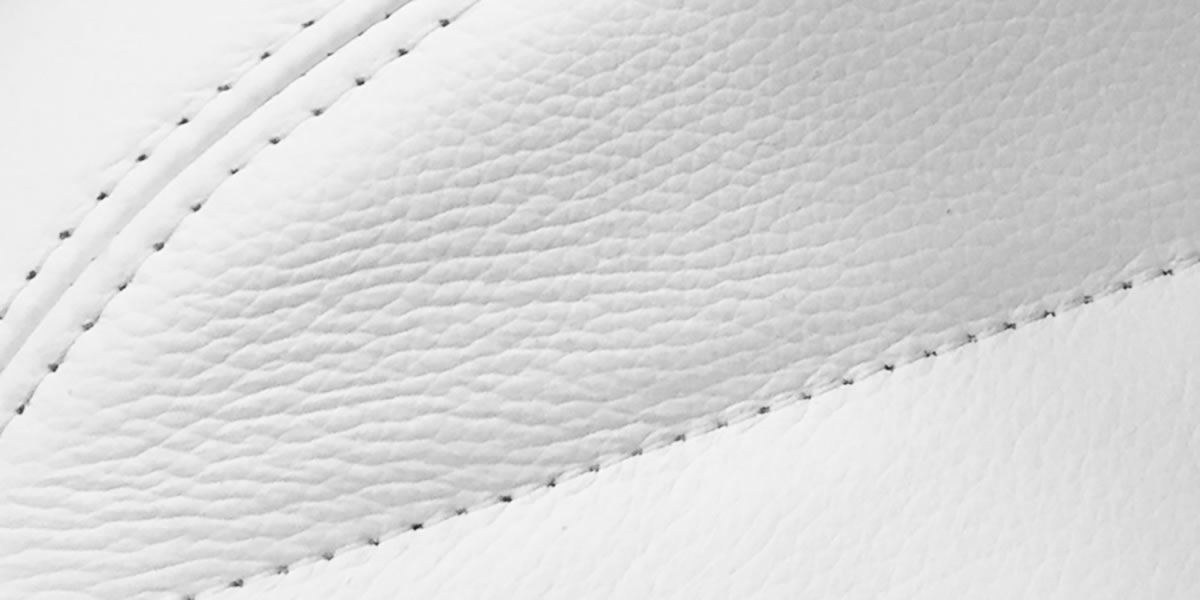
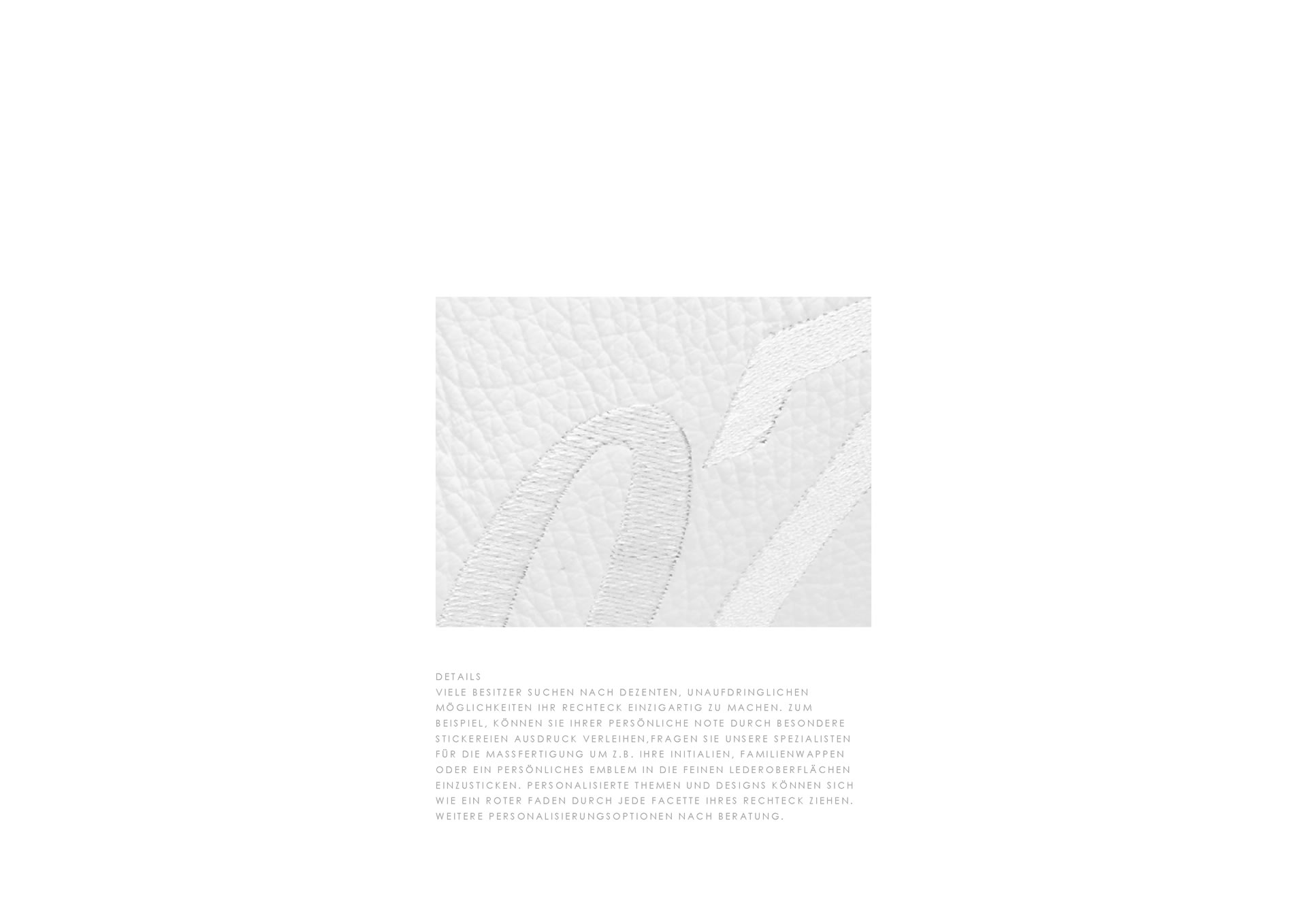
Details such as stitching, coloration, and craftsmanship are likewise never treated in isolation. They follow the same reduced design approach as the objects themselves. Precision does not arise through decorative complexity, but through the consistent concentration on material, proportion, and craftsmanship.
The works consciously position themselves between architecture, interior design, and functional art. Functions are fully integrated so that calmness and spatial clarity can be maintained. Design is not intended to dominate, but to create conditions in which materiality and atmosphere can be consciously perceived.
Leather in particular illustrates a central principle within the work: authenticity does not emerge through flawless surfaces, but through materials that visibly allow aging, touch, and use. The surface develops its quality together with the life of its user.
Architecture is therefore understood not as a static image, but as a long-term spatial relationship between human beings, material, and use.
Further insights into materials, craftsmanship, and individual project developments are provided through personal consultation.