
.jpg "bueromoebel konferenztisch weiss hochglanz lack konferenz moebel besprechung rechteck felix schwake (4)")
Office
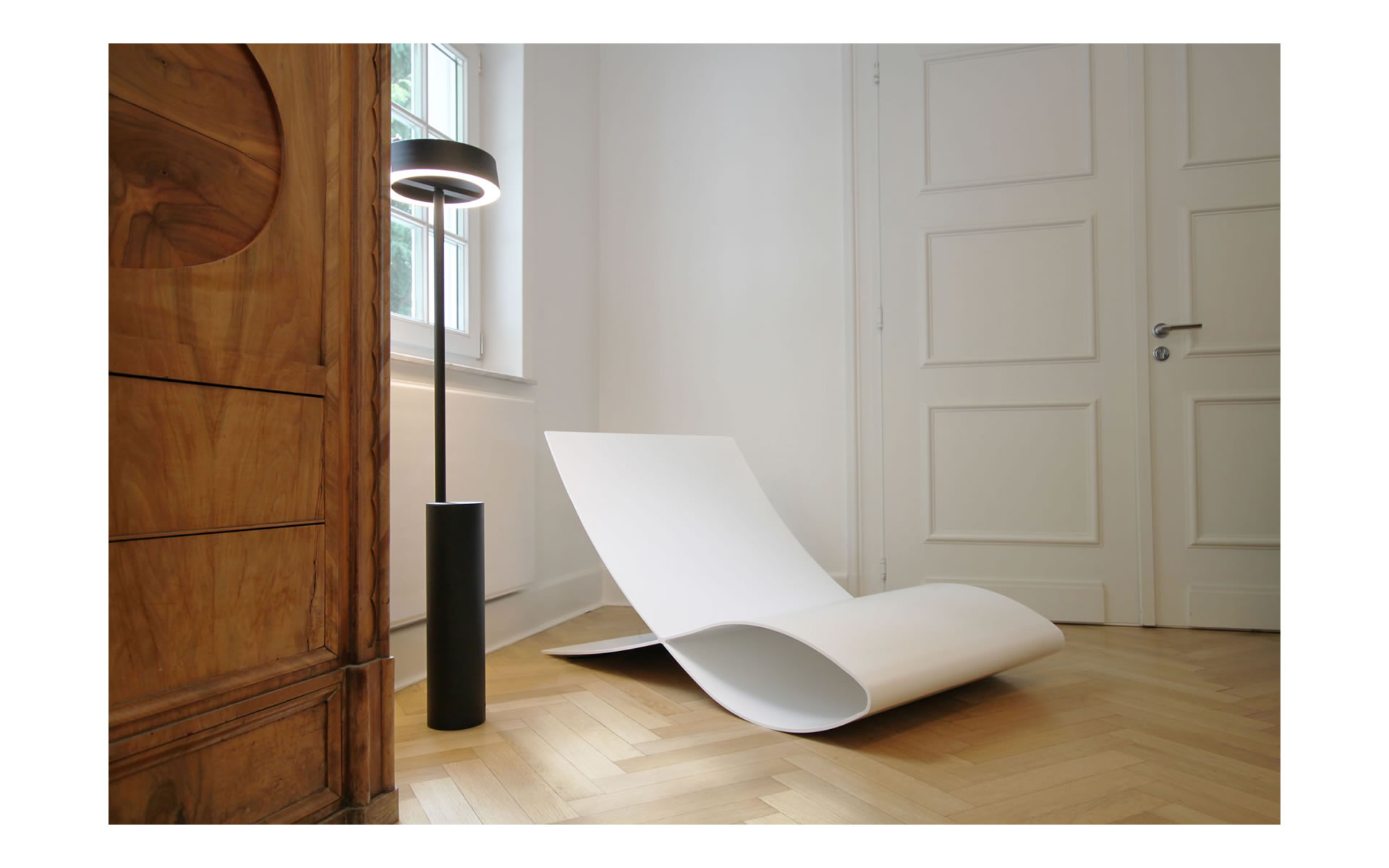
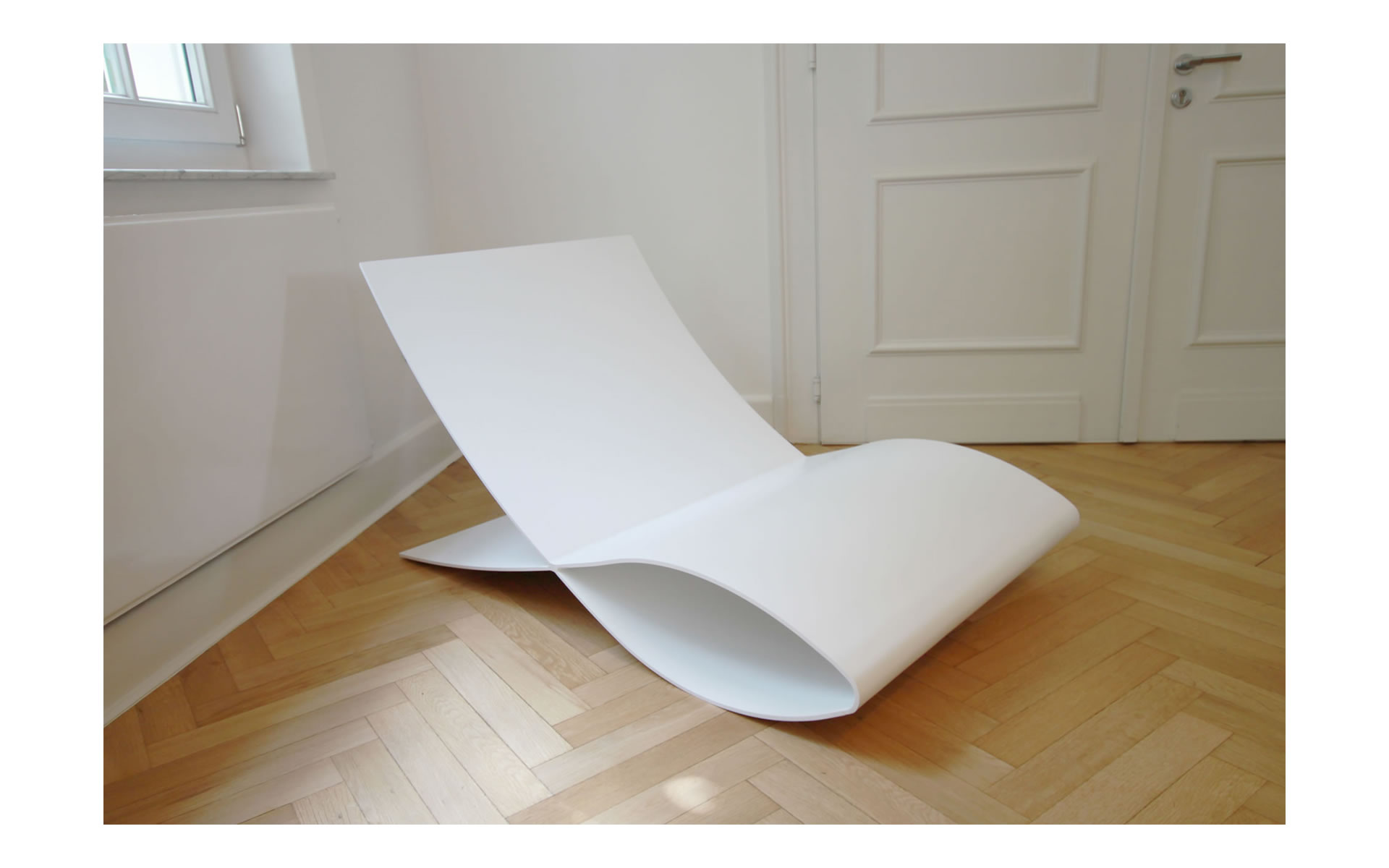
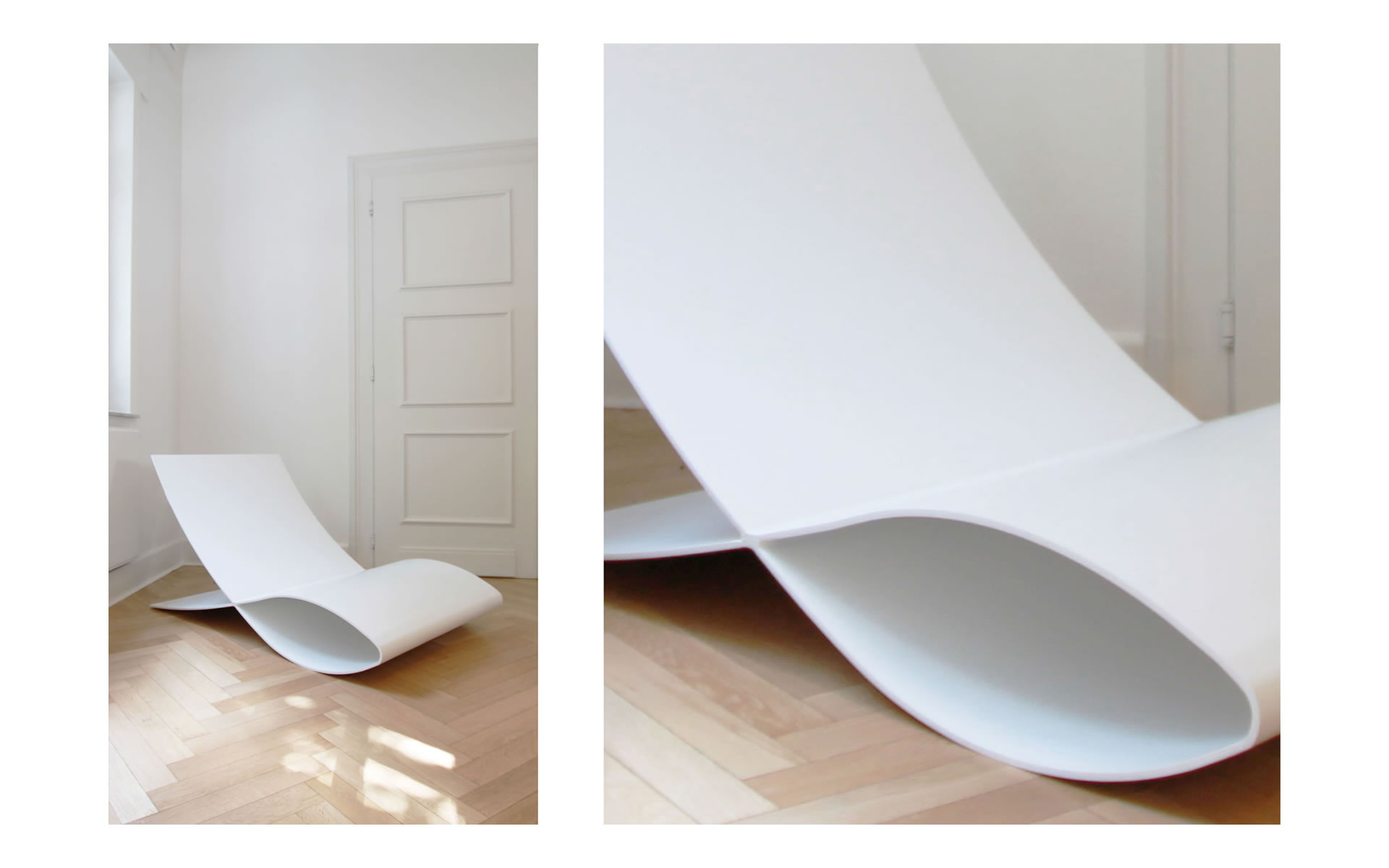
Functional Art
Within the office, atmosphere, concentration, and clarity do not emerge by coincidence. They are fundamentally shaped by the spatial environment. Architecture, materiality, and proportion directly influence perception, communication, and working processes.
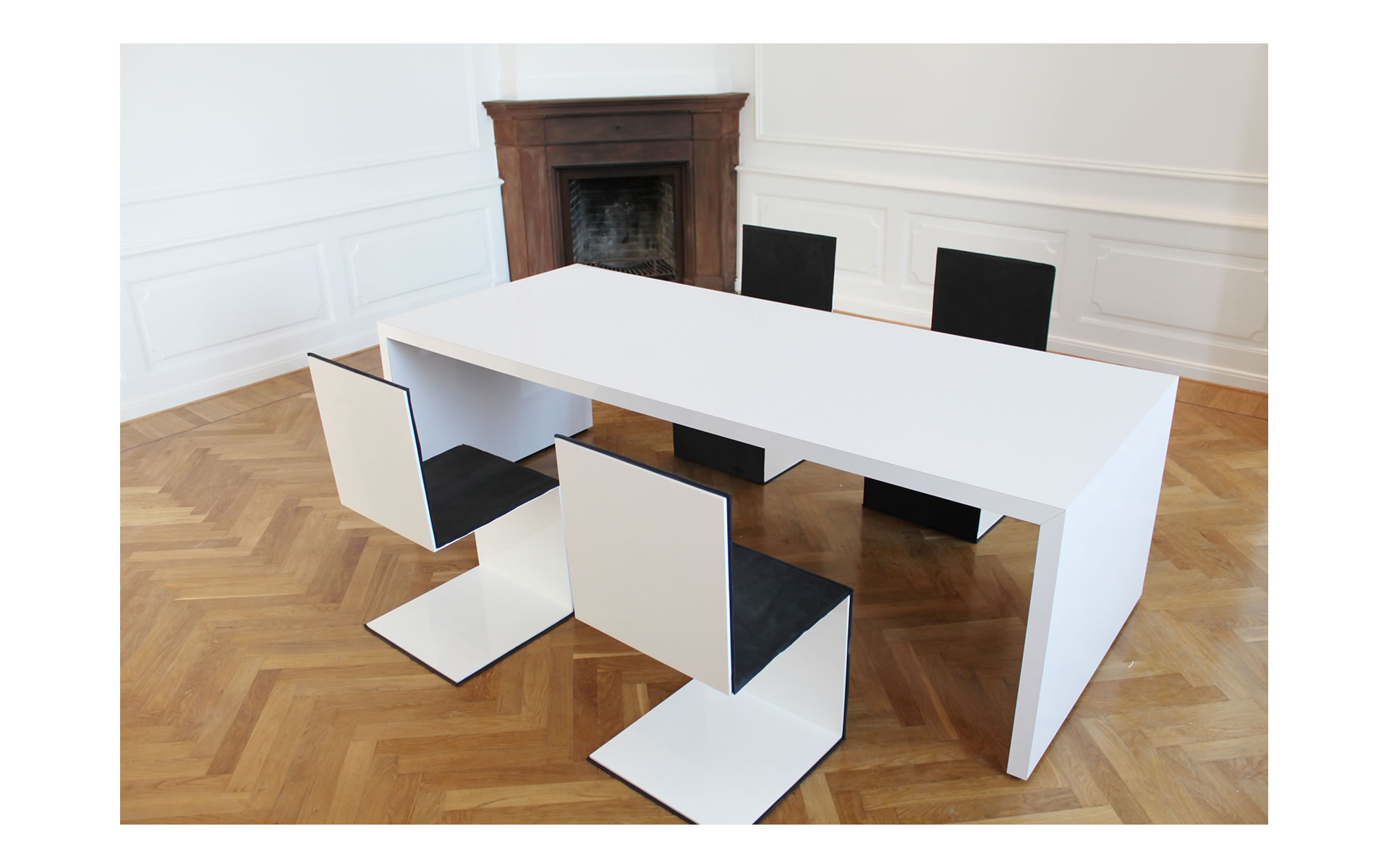
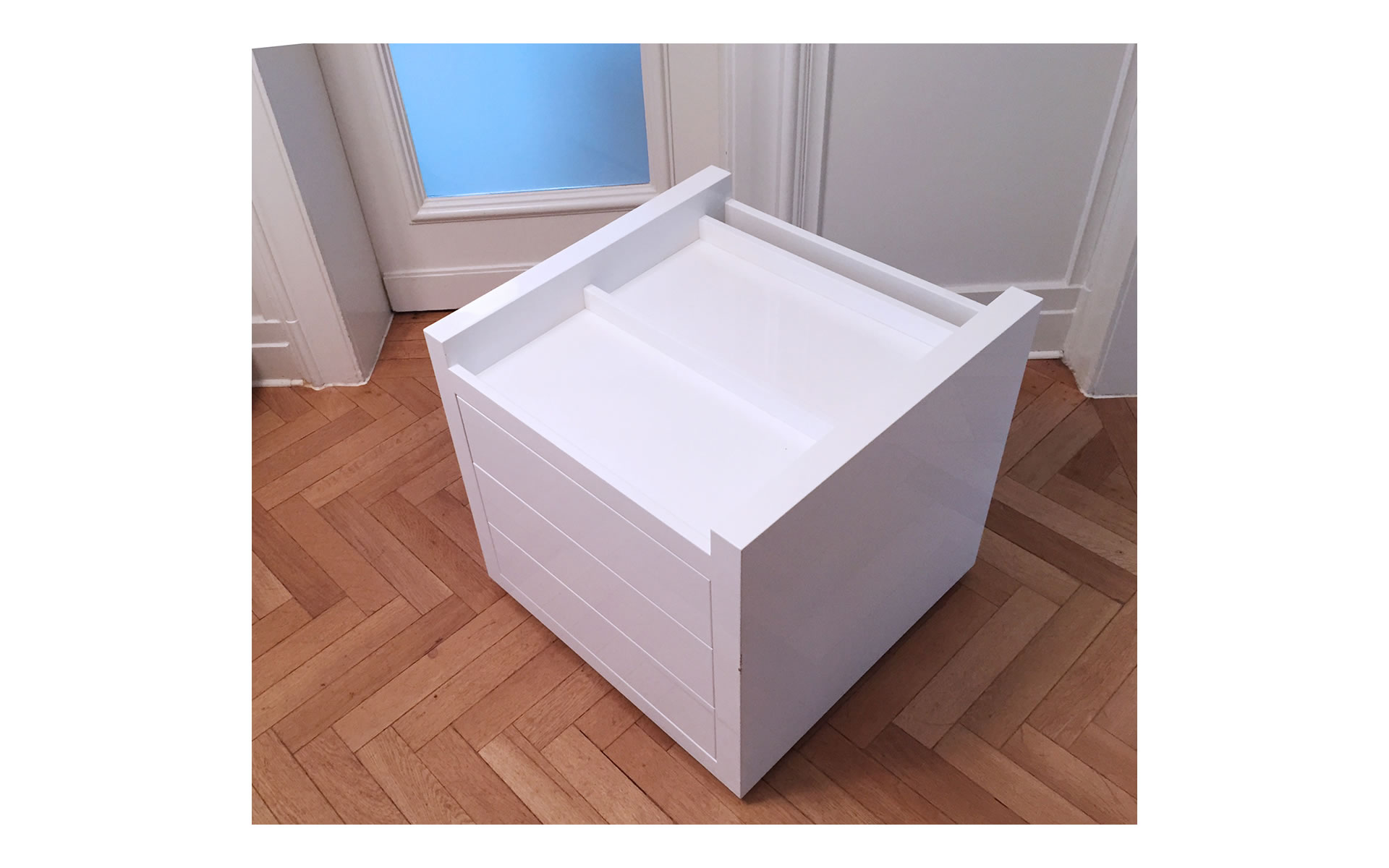
The work of Felix Schwake therefore follows a design approach that does not understand functionality and spatial calmness as opposites. The highly functional requirements of a contemporary office are fully integrated into clear geometric orders without disturbing the visual calmness of the space.
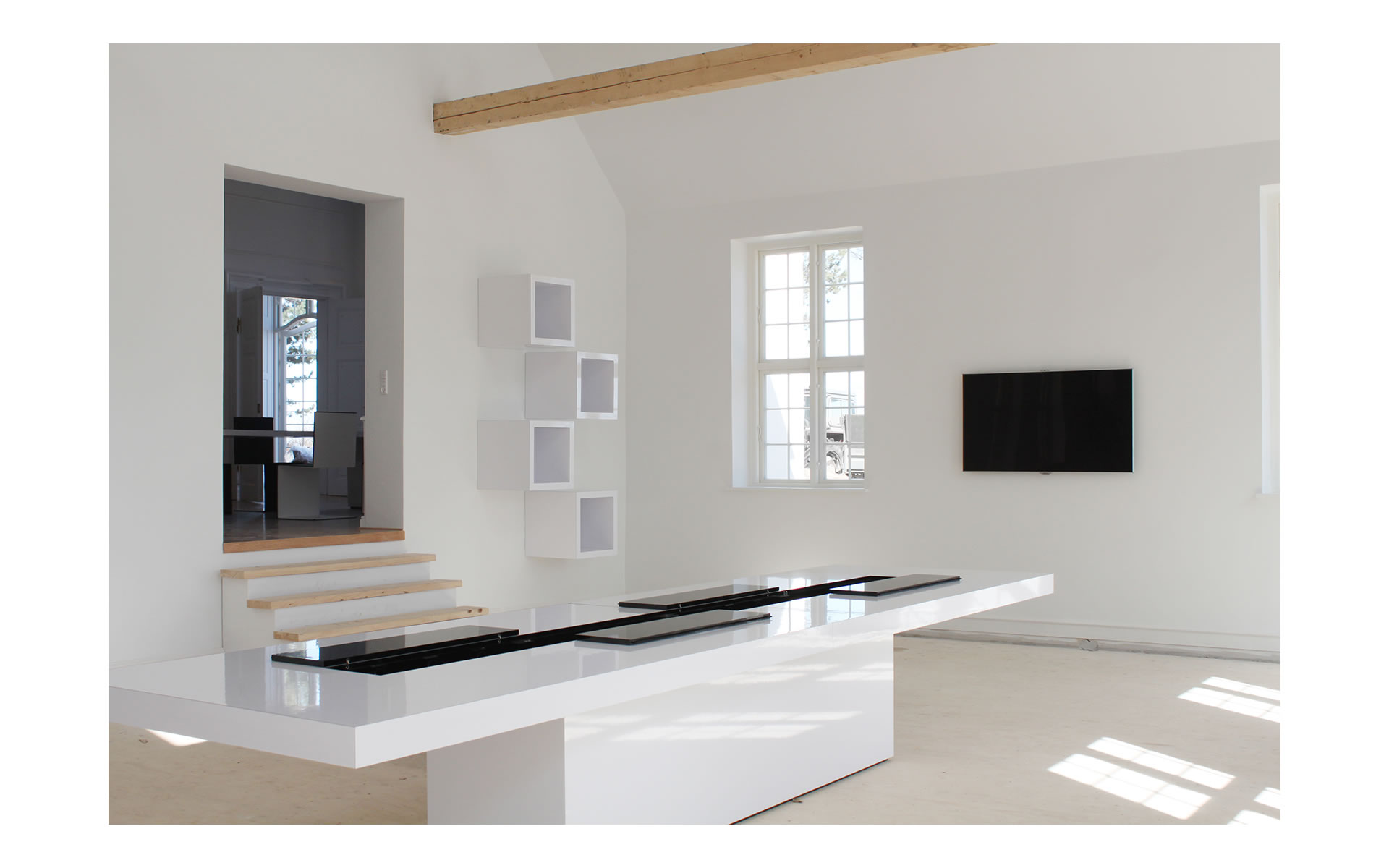
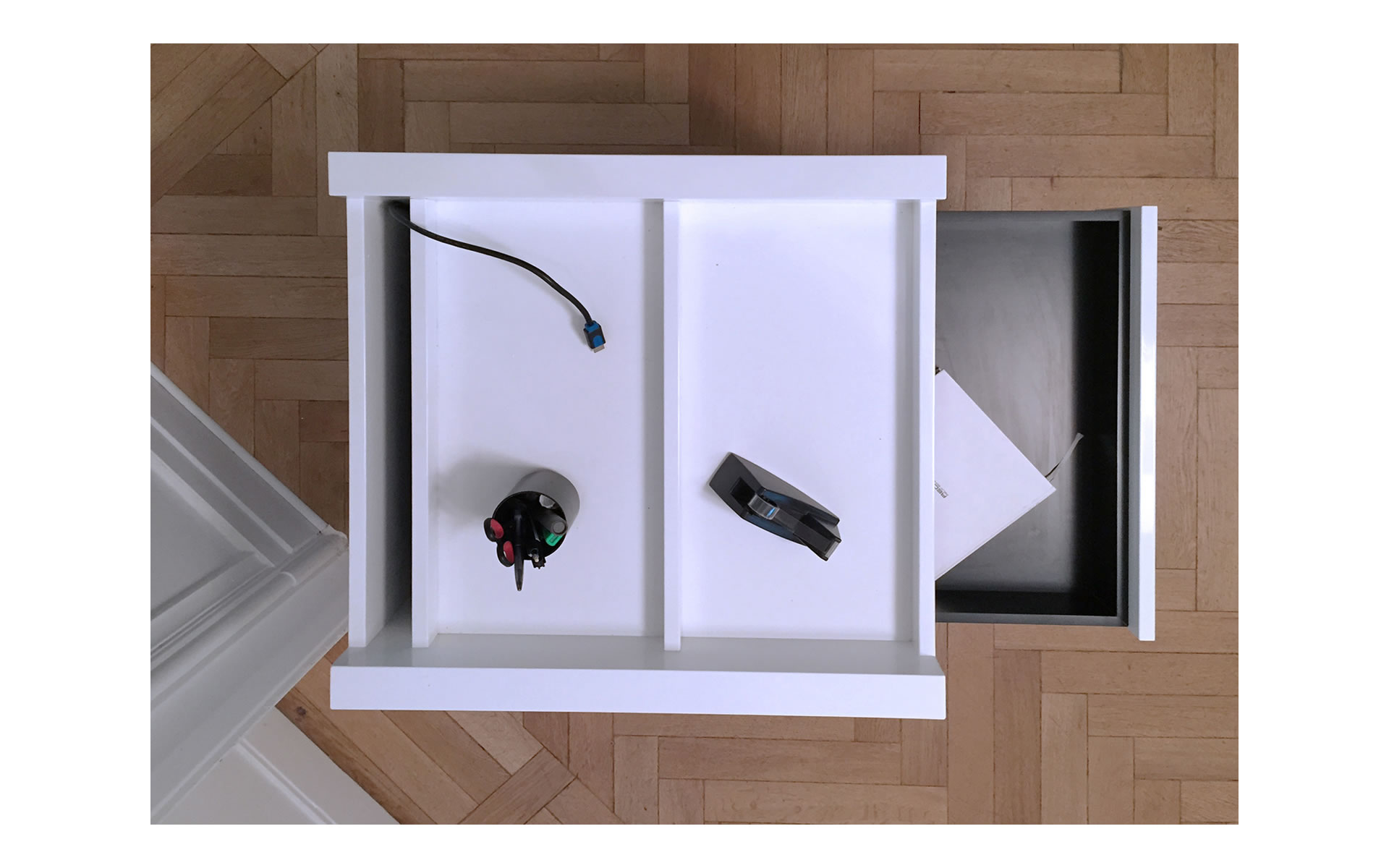
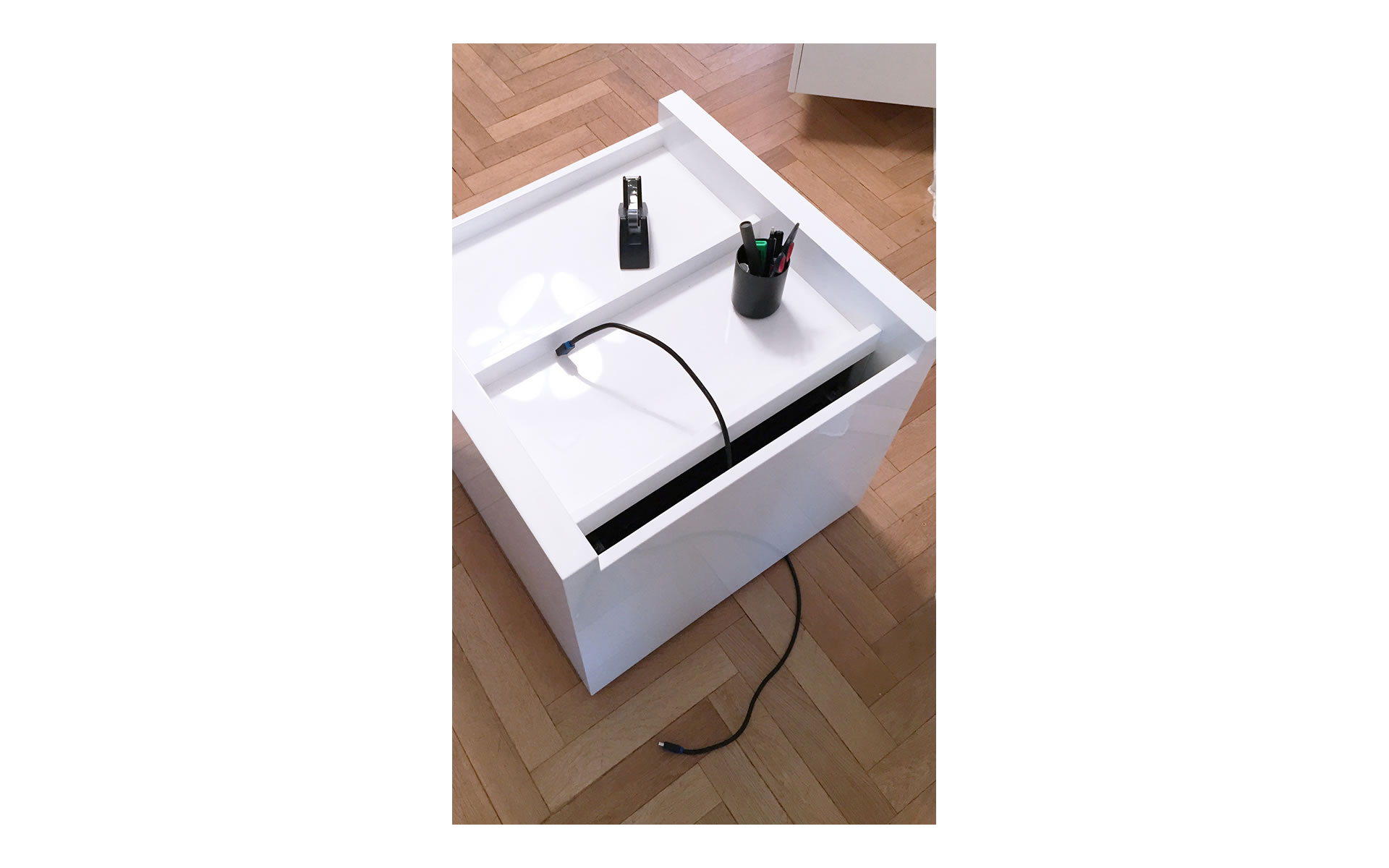
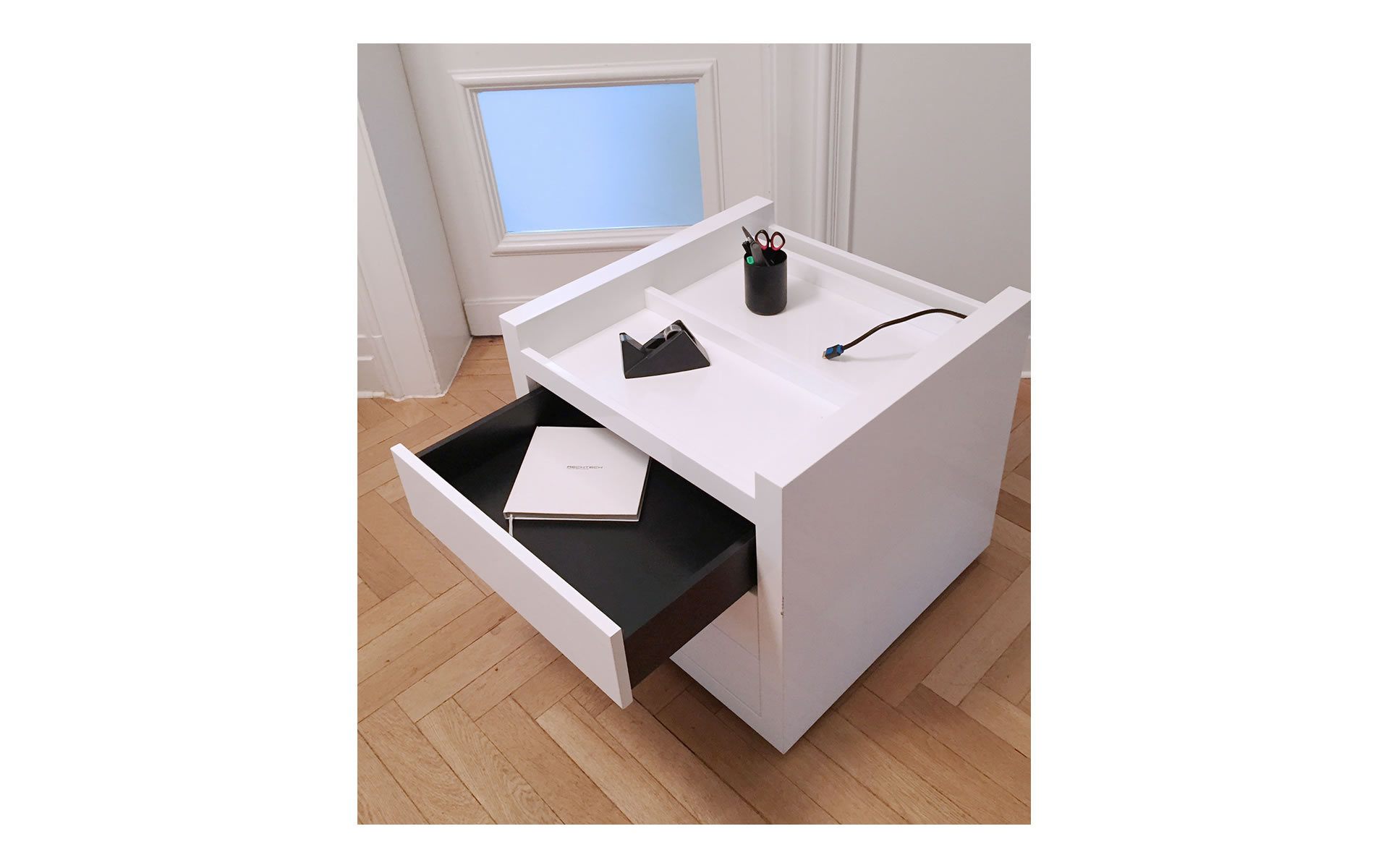
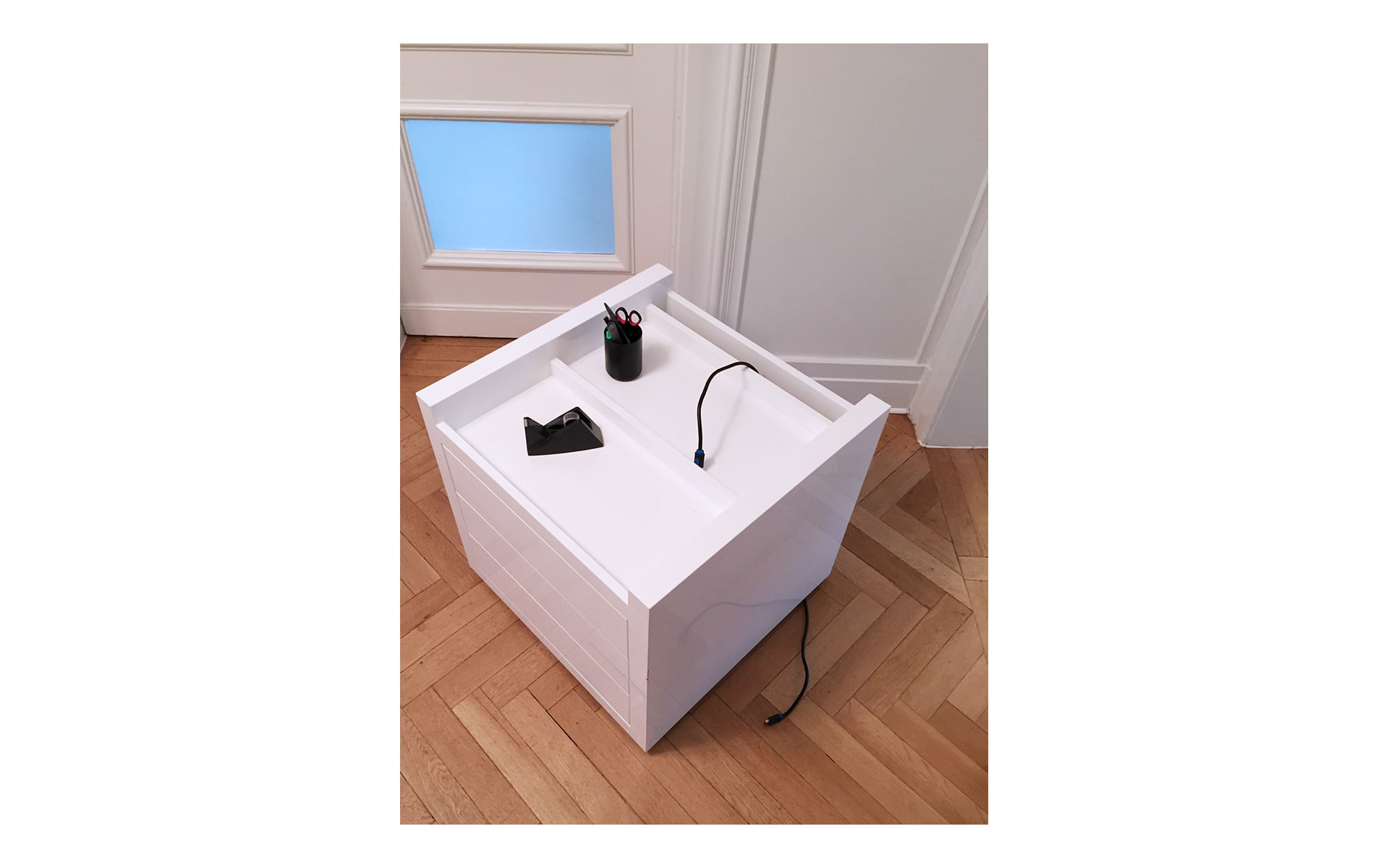
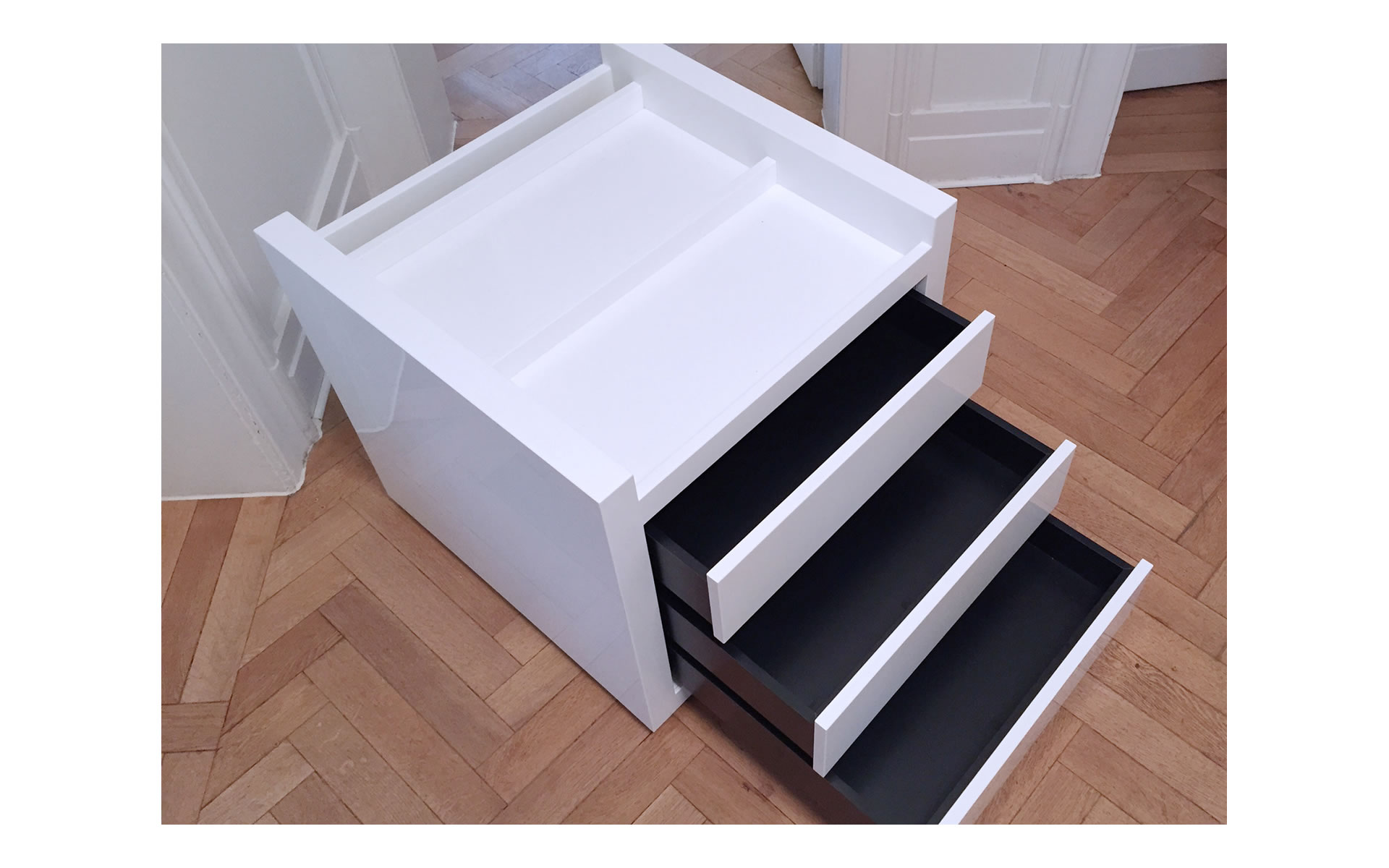
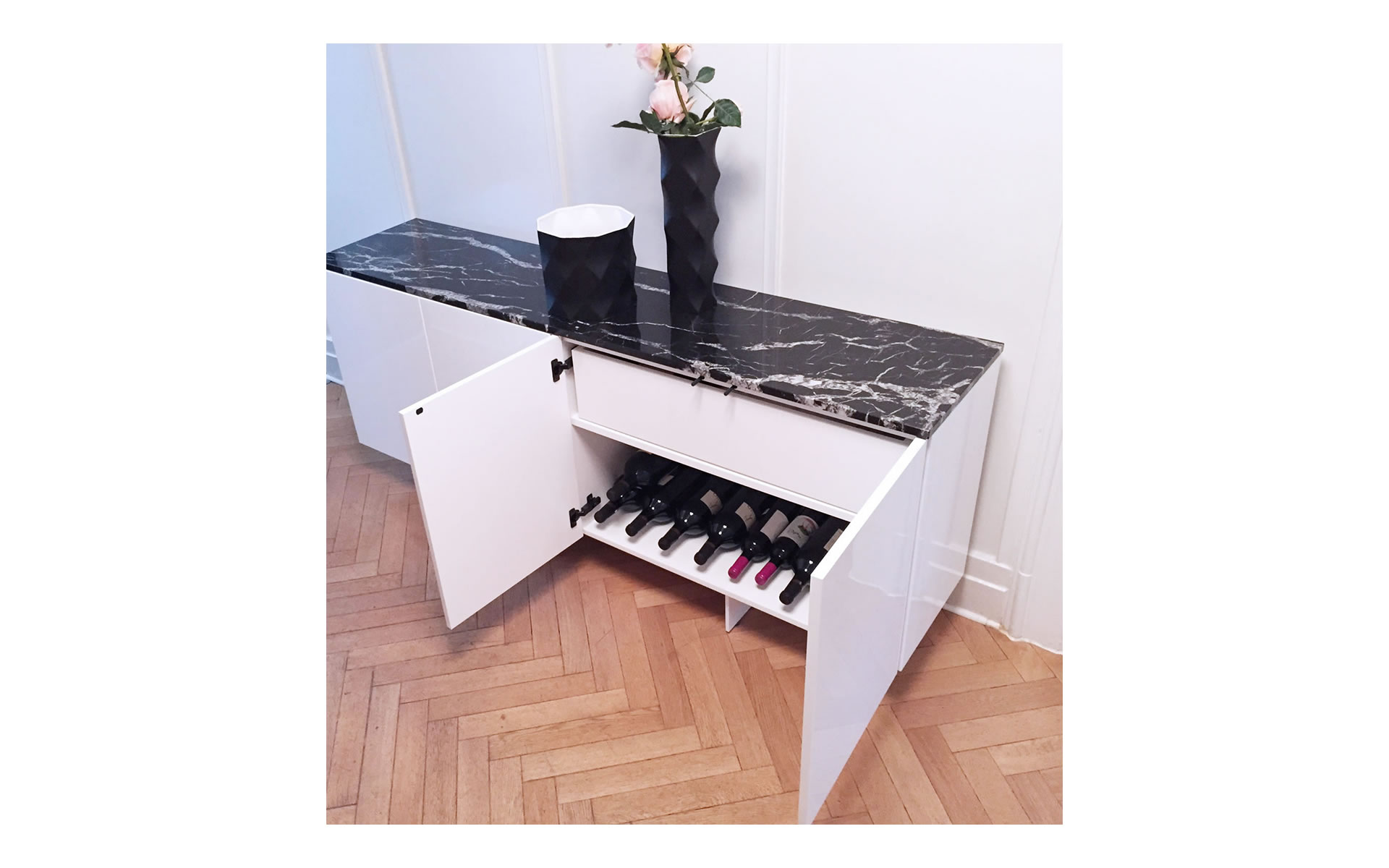
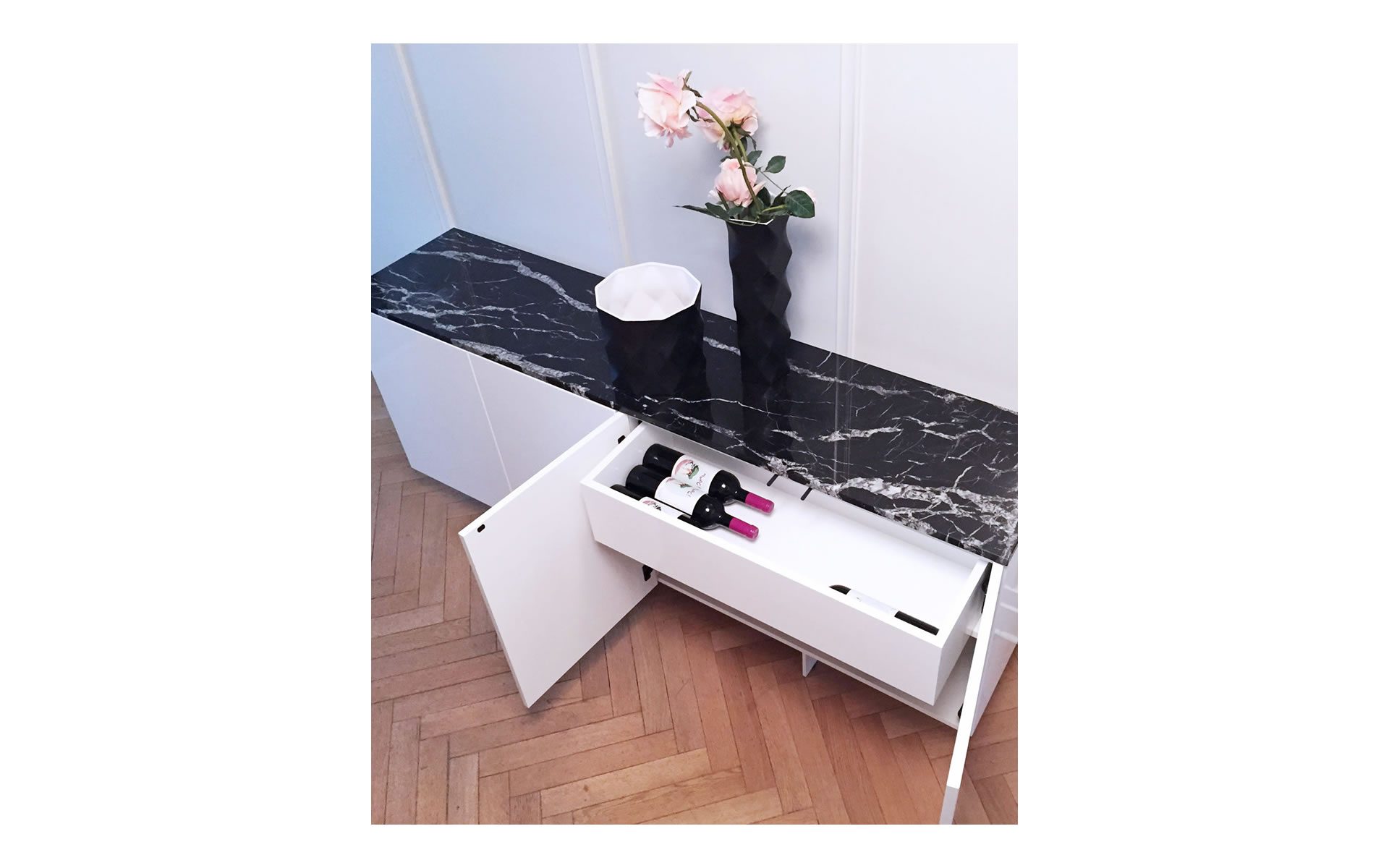
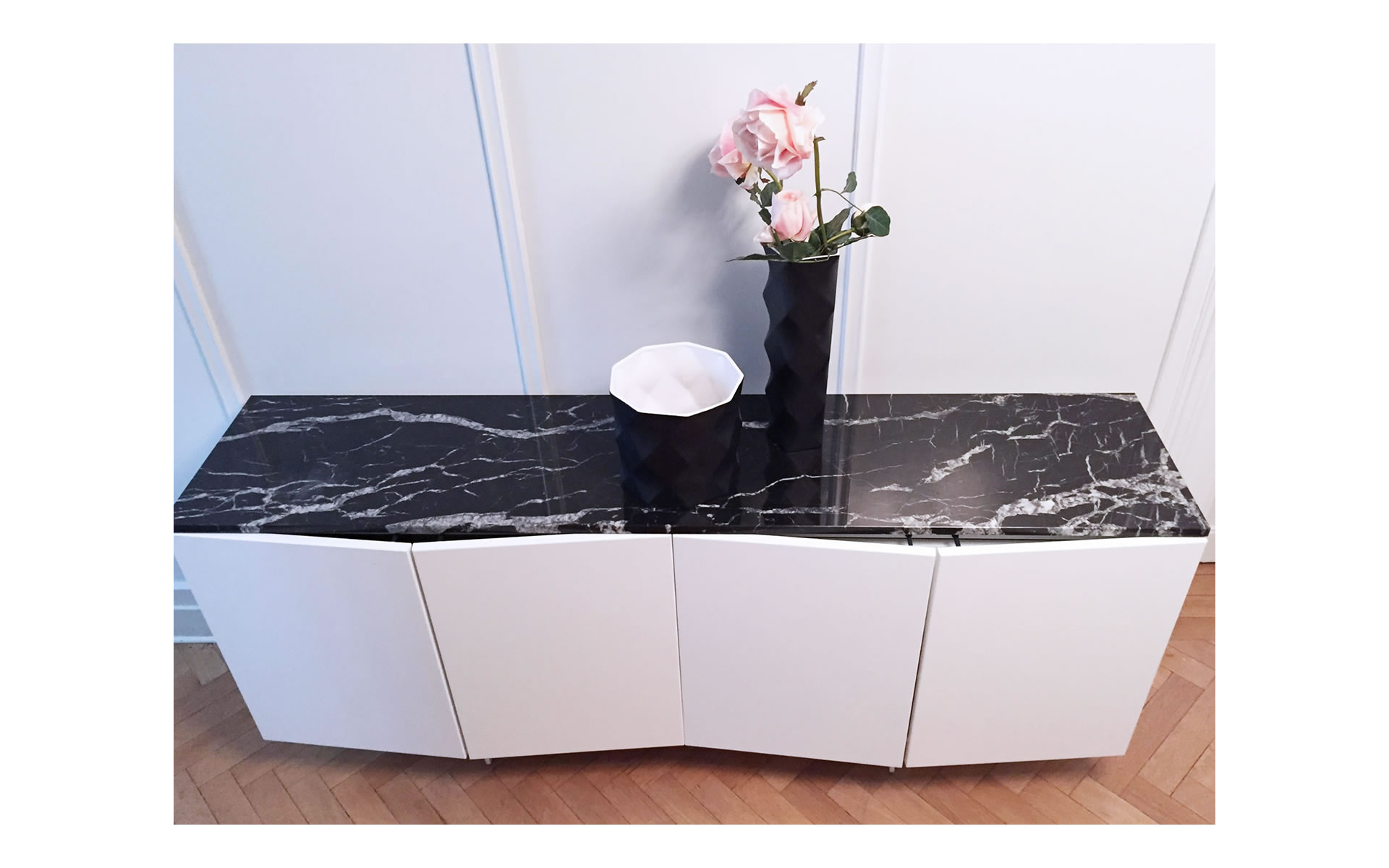
Technical infrastructure, storage, and organizational functions remain deliberately restrained and integrated. Cables, media connections, work materials, and functional processes are invisibly organized so that open surfaces and spatial clarity can be preserved.
The furniture is not understood as isolated individual objects, but as part of an overarching architectural atmosphere. Spaces should enable concentration and communicate calmness and order even under conditions of high intensity and workload.
Particularly within working environments, this spatial effect gains special importance. Permanent visual stimuli, technical overlays, and functional disorder create stress and distraction. The work of Felix Schwake therefore does not attempt to attract attention, but instead to create conditions for concentrated work.
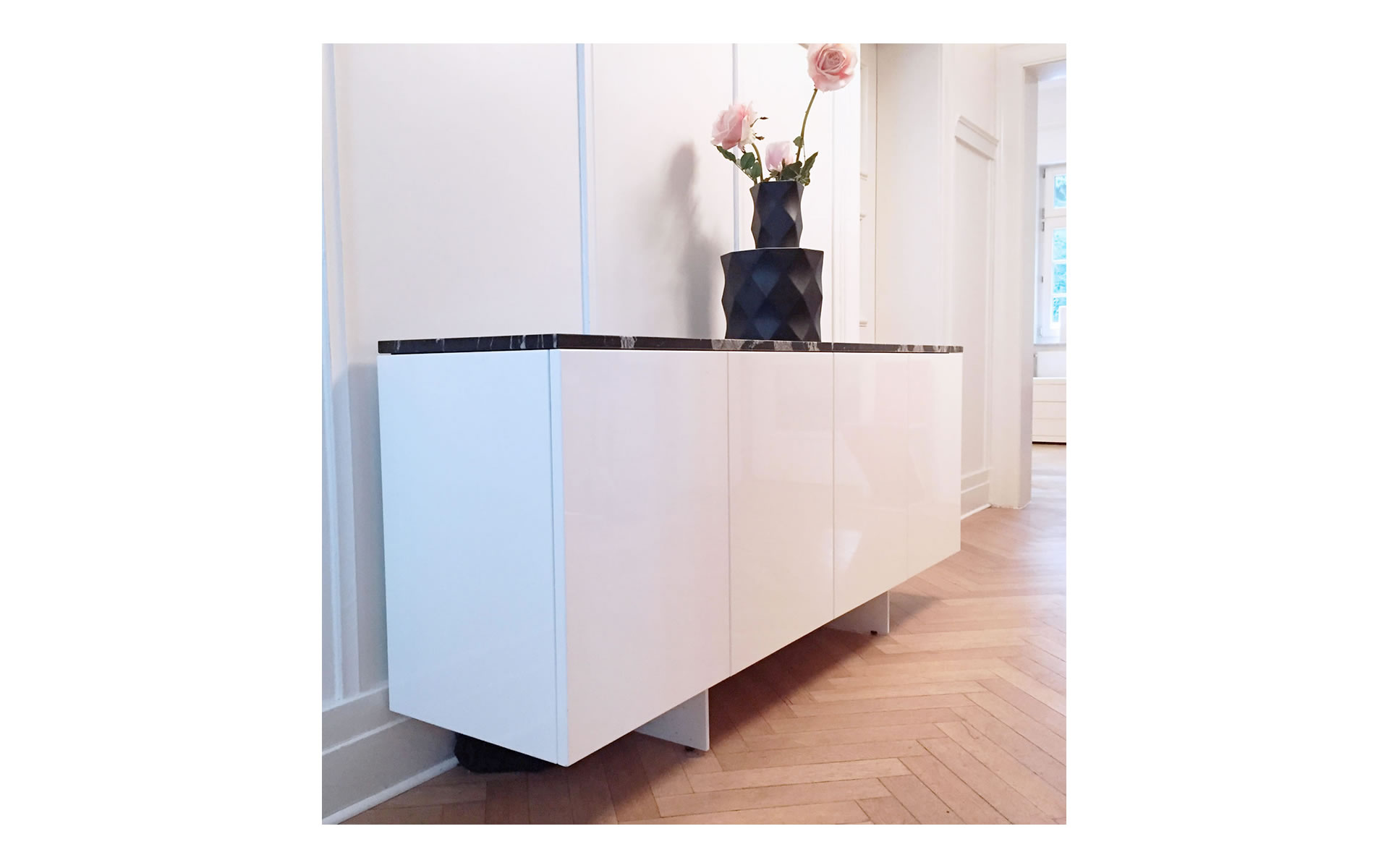
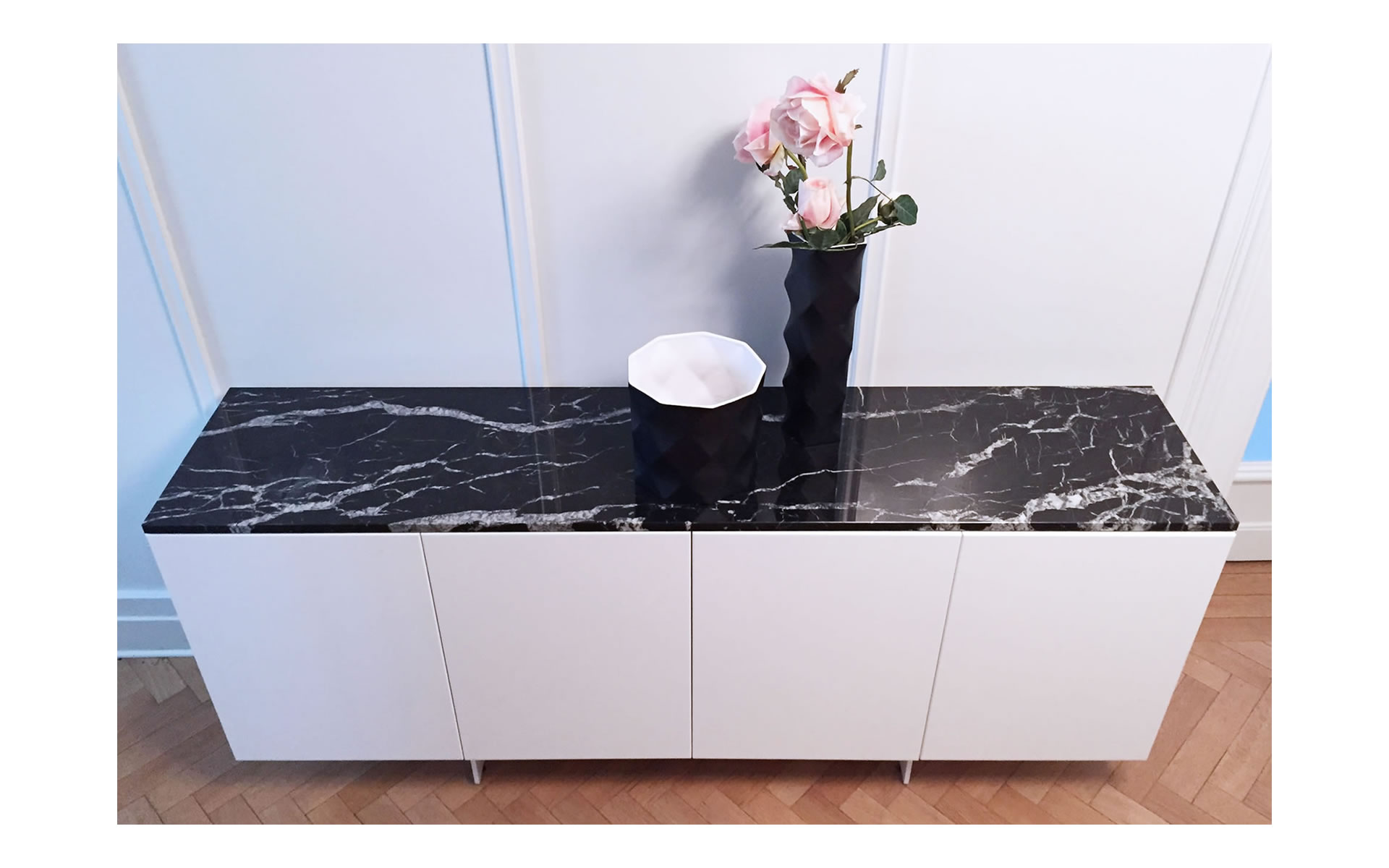
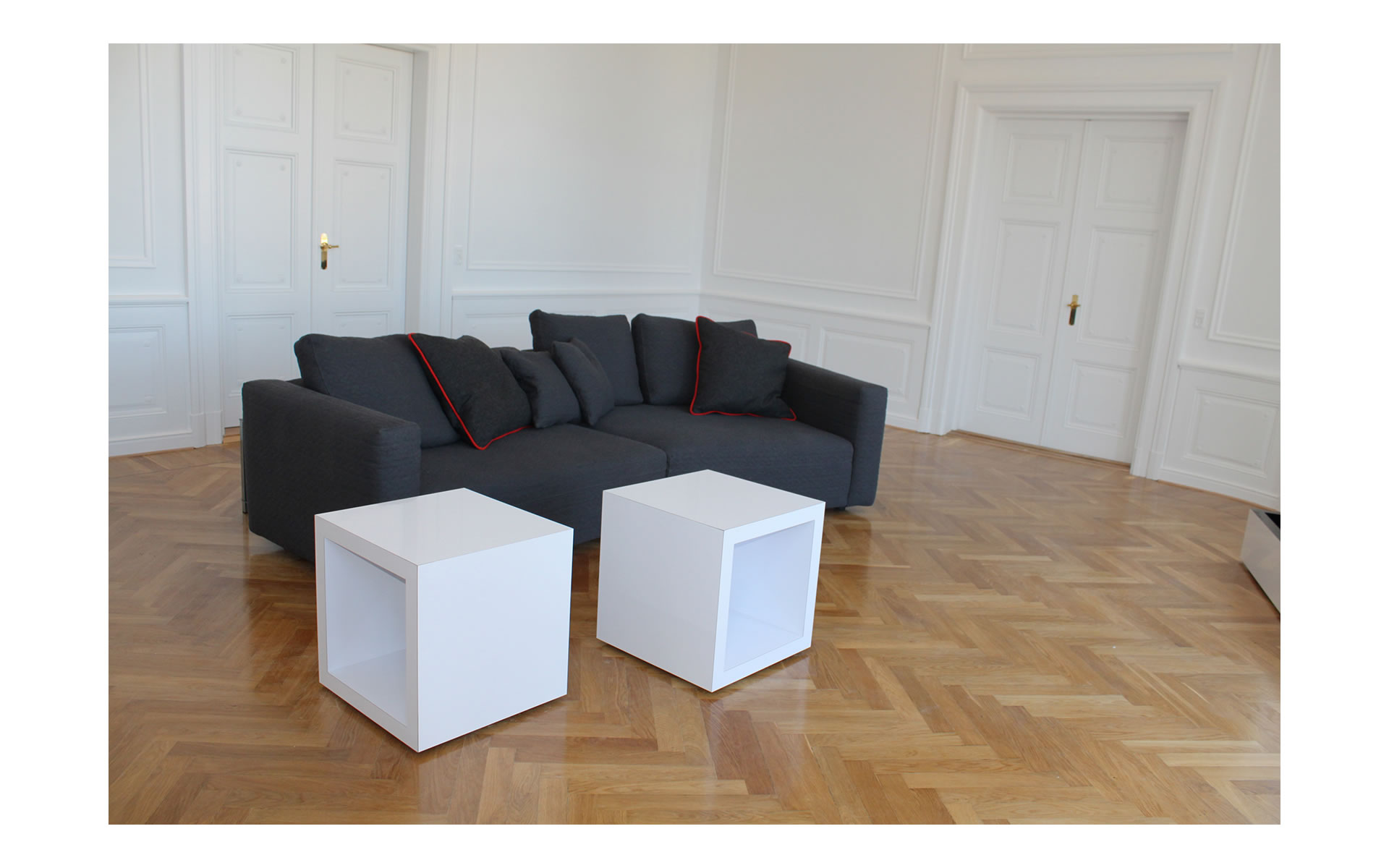
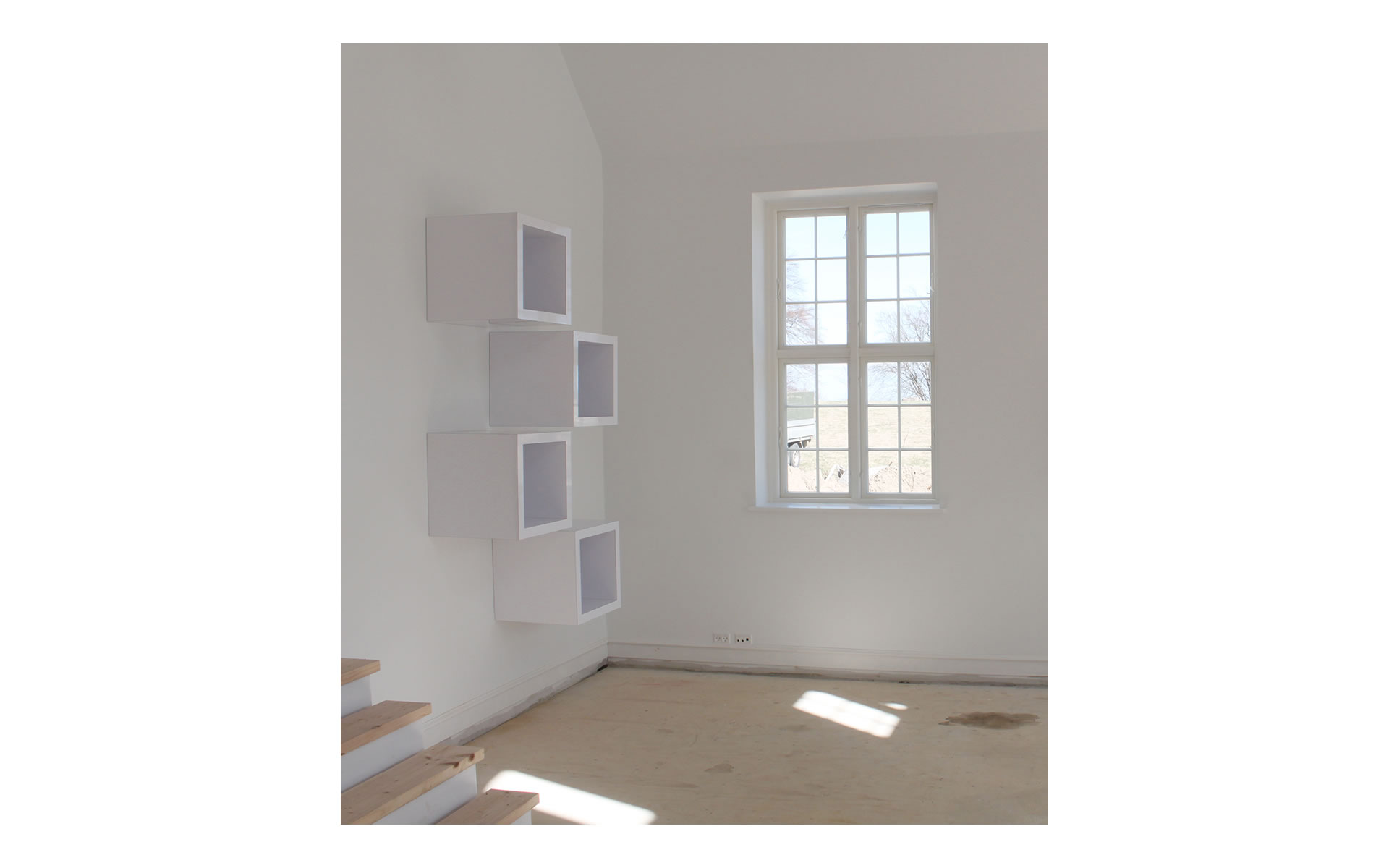
The clear geometry of the furniture does not follow a decorative minimalist aesthetic, but a functional spatial order. Materiality, light, and proportion enter into a balanced relationship and create a restrained presence within the space.
Each object is developed as an individual custom-made piece. Requirements concerning workflows, technical equipment, and spatial conditions are developed and integrated specifically for each project. Design is therefore not understood as a standardized product solution, but as a long-term spatial response to concrete functional requirements.
The work consciously positions itself between architecture, interior design, and functional art. Design should not dominate, but instead enable a concentrated spatial atmosphere — calm, clear, and permanently usable.