( 
0
)

What is Good Architecture? The Subjective Measure of Interior Design


As an architect and designer, I've had the privilege of shaping various environments, from luxurious apartments in Manhattan to cosy villines in Denmark, and challenging museum architecture in Germany. Moreover, I hold a teaching position at the Department of Architecture in Dortmund and am often asked by students what makes "good" or "bad" architecture. With this post, I aim to provide a more nuanced definition of "good" architecture.

Inspiration, Yes. Copying, No.

Getting inspired by magazines might seem like a good idea at first, but it often results in a design concept that's incoherent and impersonal. The solution? Develop your own concept that suits you. Don't just copy example projects. This way, you'll avoid aesthetic chaos.

The Foundations of Good Interior Design


For me, a good project involves an interior space that, when you enter it, feels subjectively "right". This involves three key factors:

  1. Use: A room should be functional. It should serve its intended use, whether it's a family home, a single's apartment, a workspace, a law firm with acoustically effective separated walls, a start-up with a large co-working space, a bookshop, or an electronics store. The design of the room should stem from its use.

  2. Atmosphere: The atmosphere of a room should support its intended use. You should consider whether bright, friendly rooms or rather atmospheric, darker atmospheres are required.

  3. Material selection: Depending on the use and the desired atmosphere, a material concept should be compiled. Should the surfaces be robust and hard-wearing? Could brass table surfaces or solid wood materials be an option? Or are they calm places with skin contact, where writing pads made of leather or fine piano lacquers could be an option?


Conclusion: The Measure of Good Architecture


Good architecture is more than just "beautiful". It's the sum of use, atmosphere, and material concept. A good project makes sense, it logically fits together. Instead of merely resorting to subjective statements like "I think it's beautiful", we can now argue: "The architecture is good because the use, room atmosphere, and material concept logically match and make the project coherent."

This approach allows us to talk about good and bad architecture without getting stuck in subjective judgements. With the ability to say, "I think it's bad because the material doesn't match the use concept", we have the chance to genuinely improve architecture.

As architects and designers, it's our duty to create spaces that are both functional and aesthetic, and that make us feel at home, regardless of whether it's a luxurious apartment, a cosy house, or a workspace. Interior design is not just about style but also about substance and functionality. And that's the true luxury in interior design.
 

  • Dark room with rounded seating beneath a spatial grid of illuminated rods.
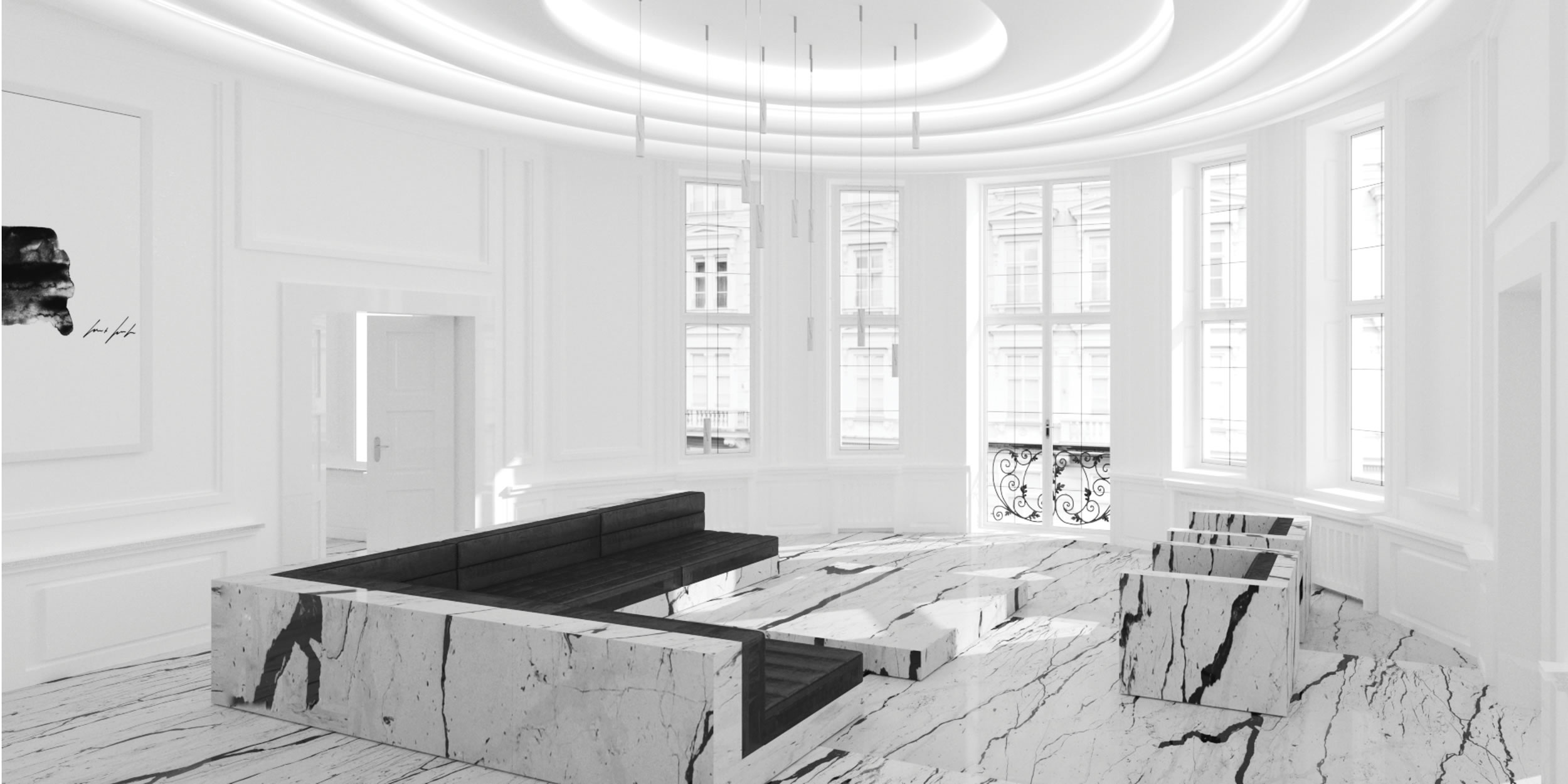
  • Bright classically detailed room with a veined desk and a ring-shaped pendant light.
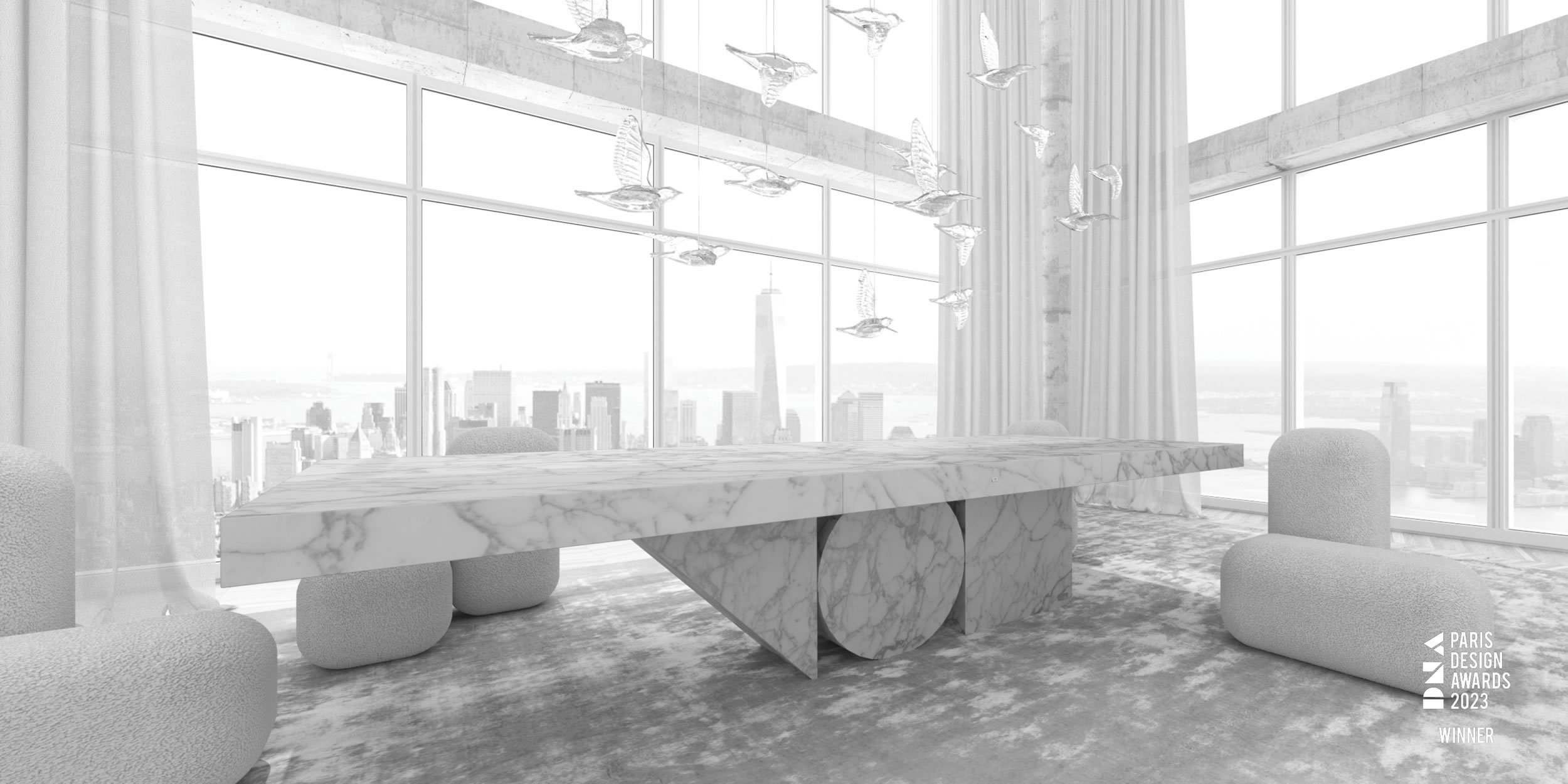
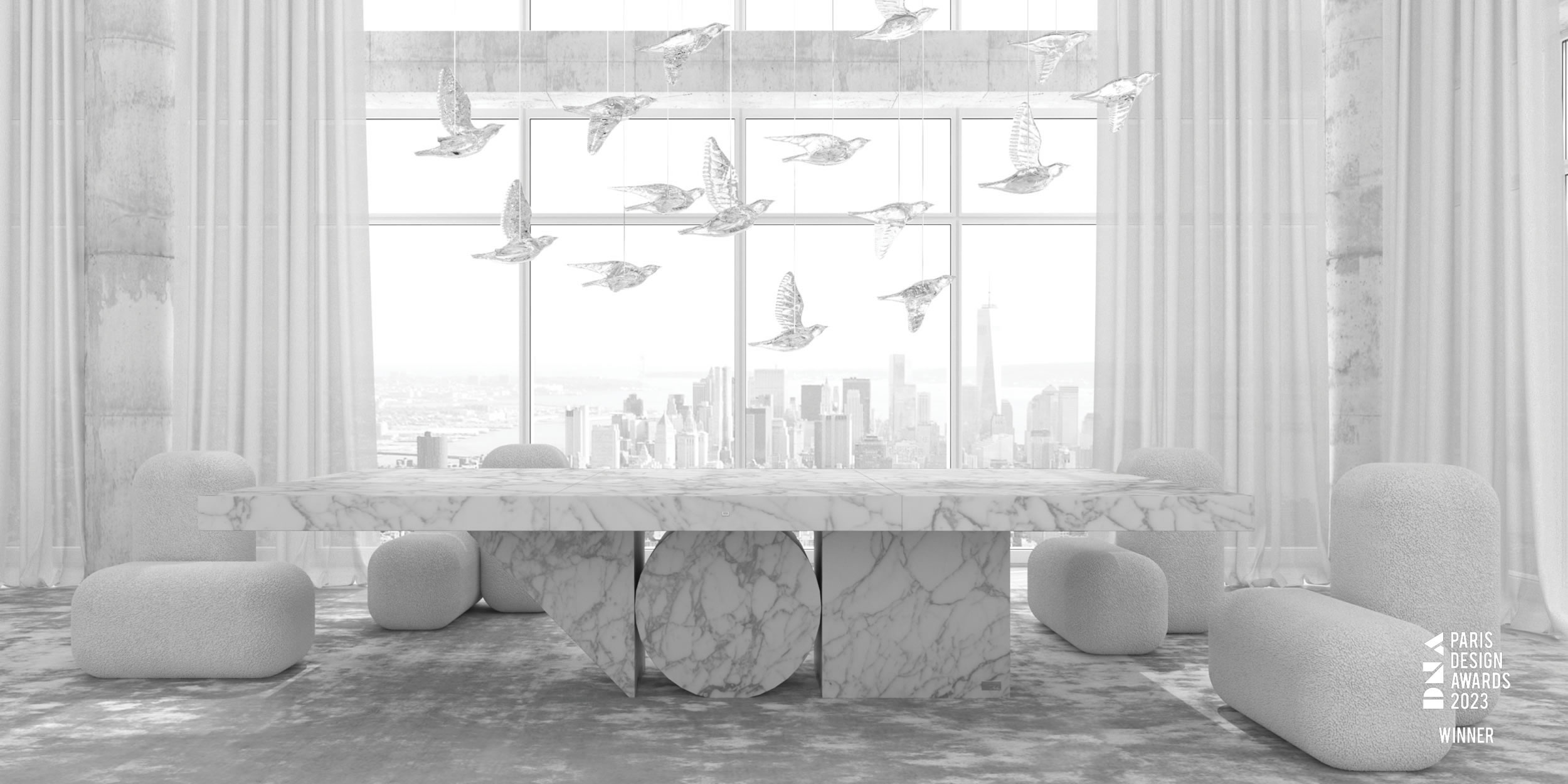
  • Long veined table on geometric supports with rounded seating in front of tall windows.
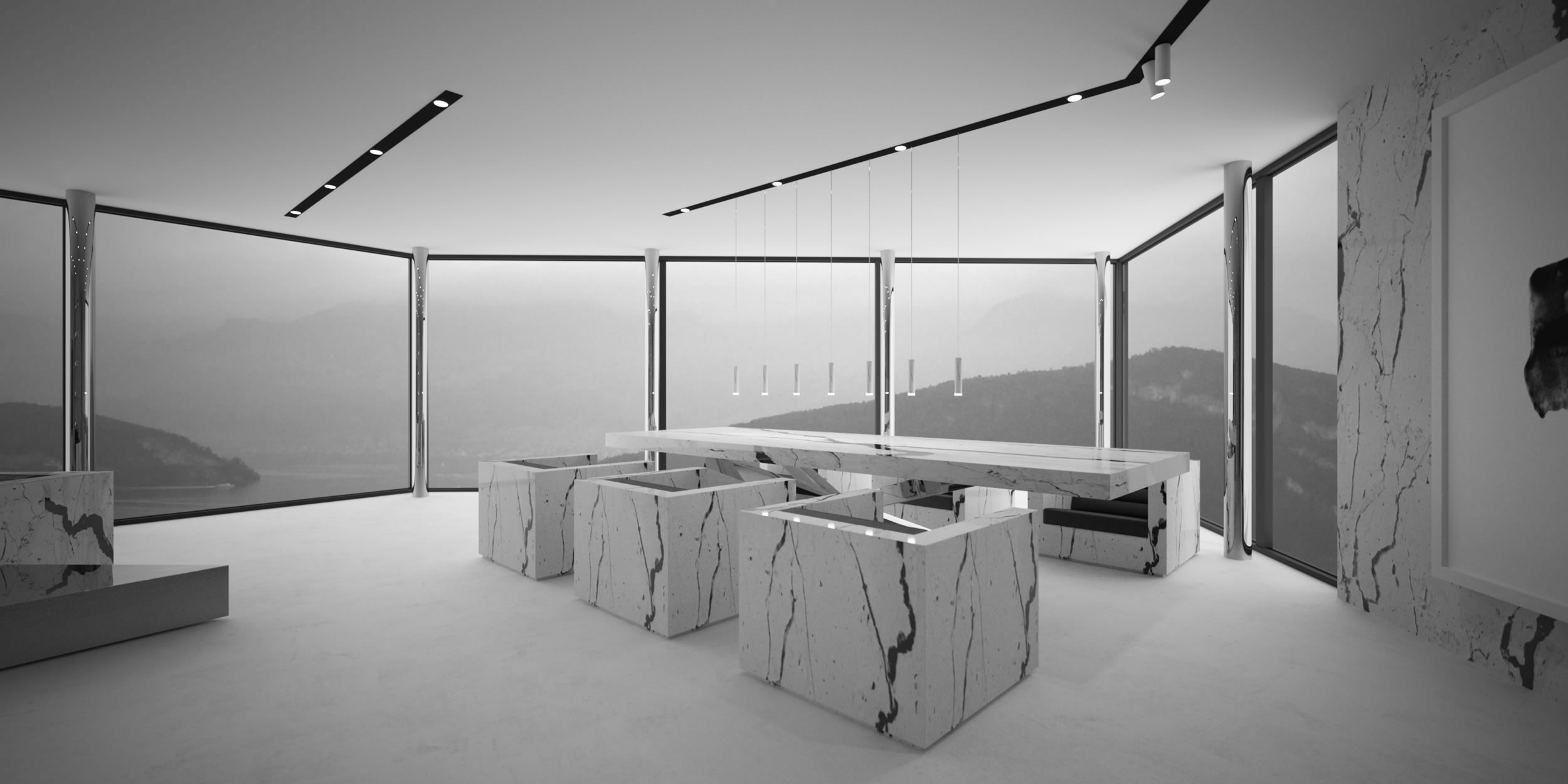
  • Interior with light veined furniture beside floor-to-ceiling windows overlooking water and mountains.
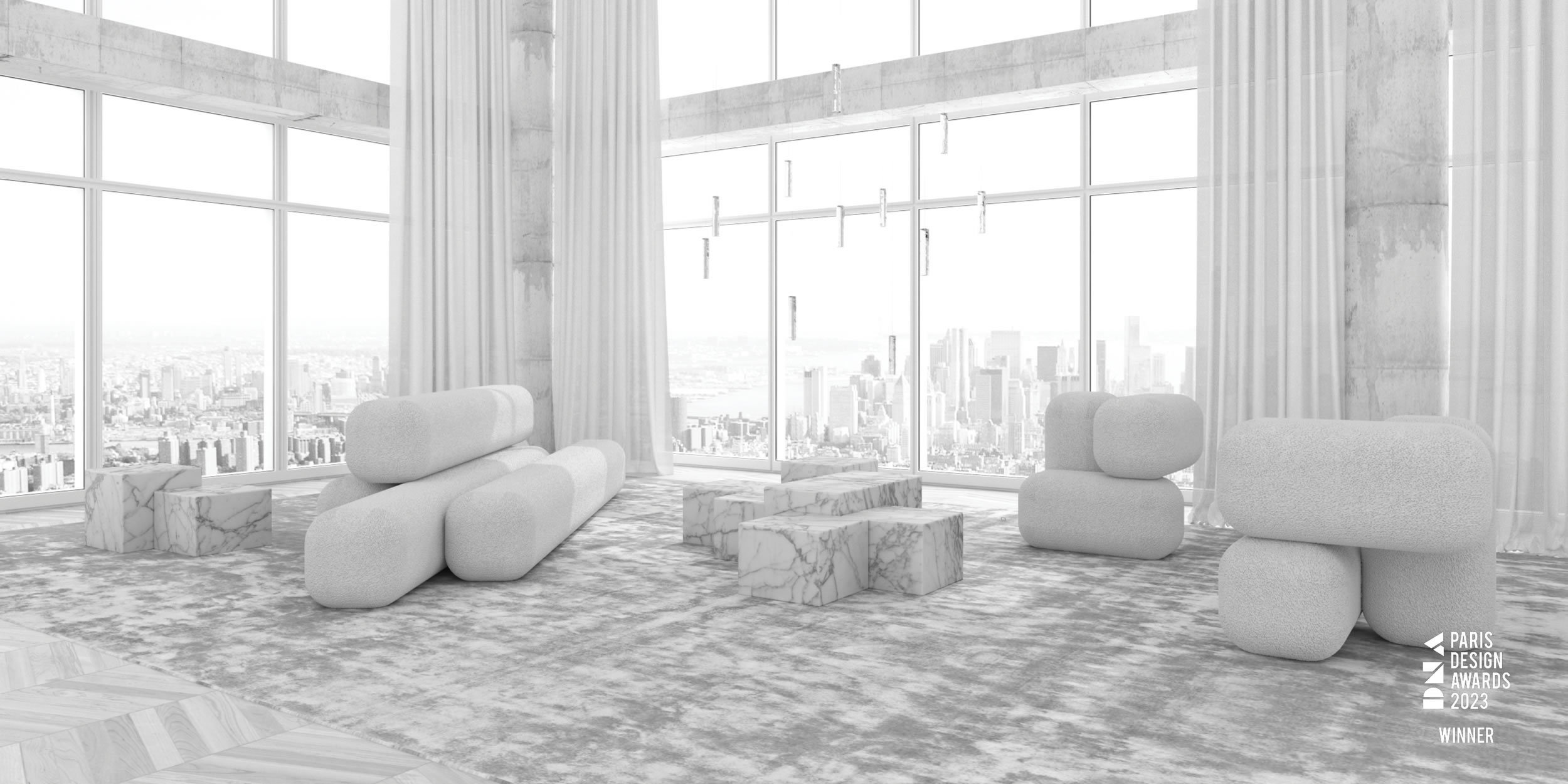
  • Bright tall room with rounded seating, a low table and large windows overlooking a city.
  • Bright room with veined seating furniture, tall windows and a ceiling articulated in circles.
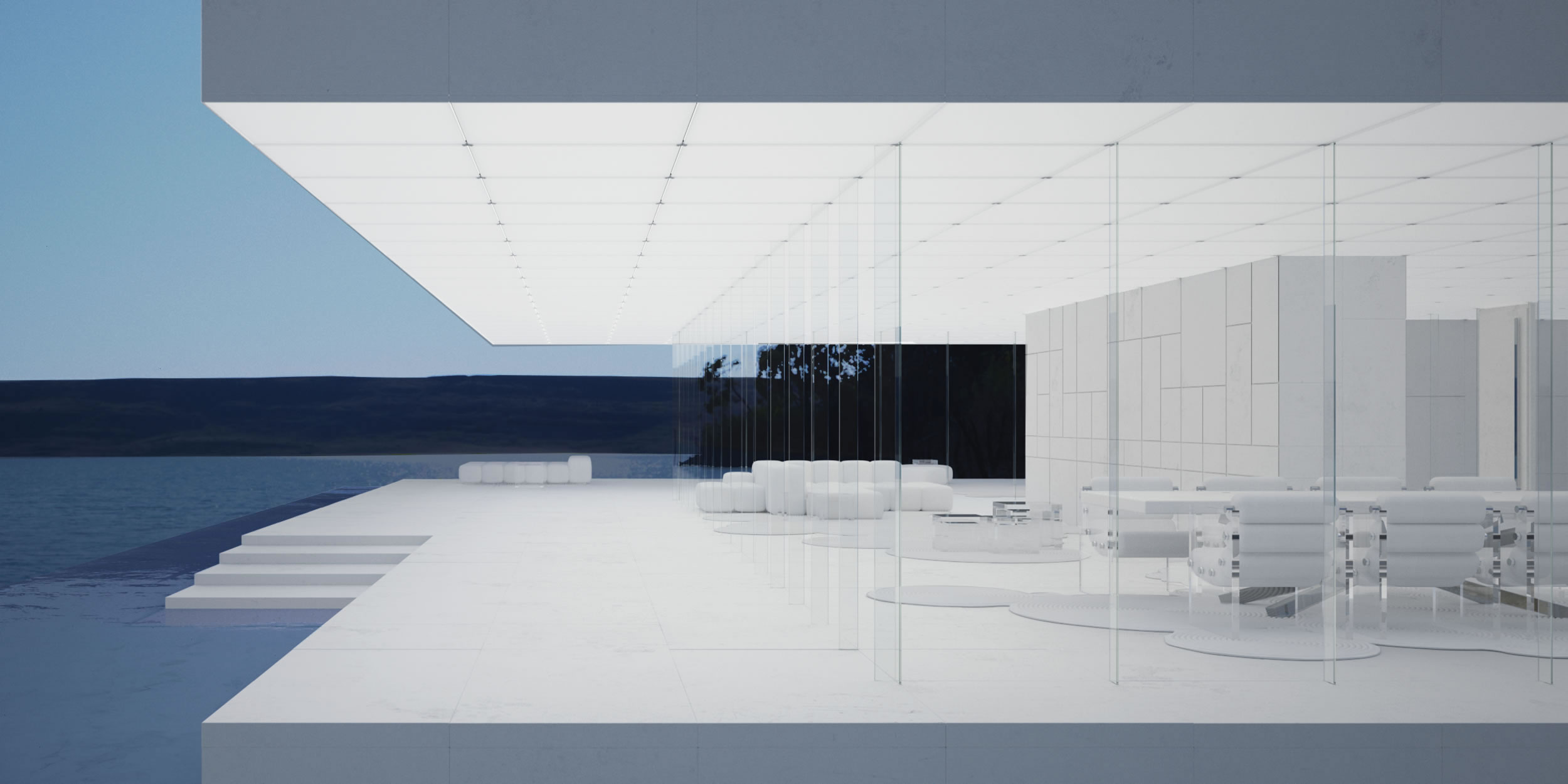
  • Open white pavilion with a large projecting roof and transparent chairs directly beside water.
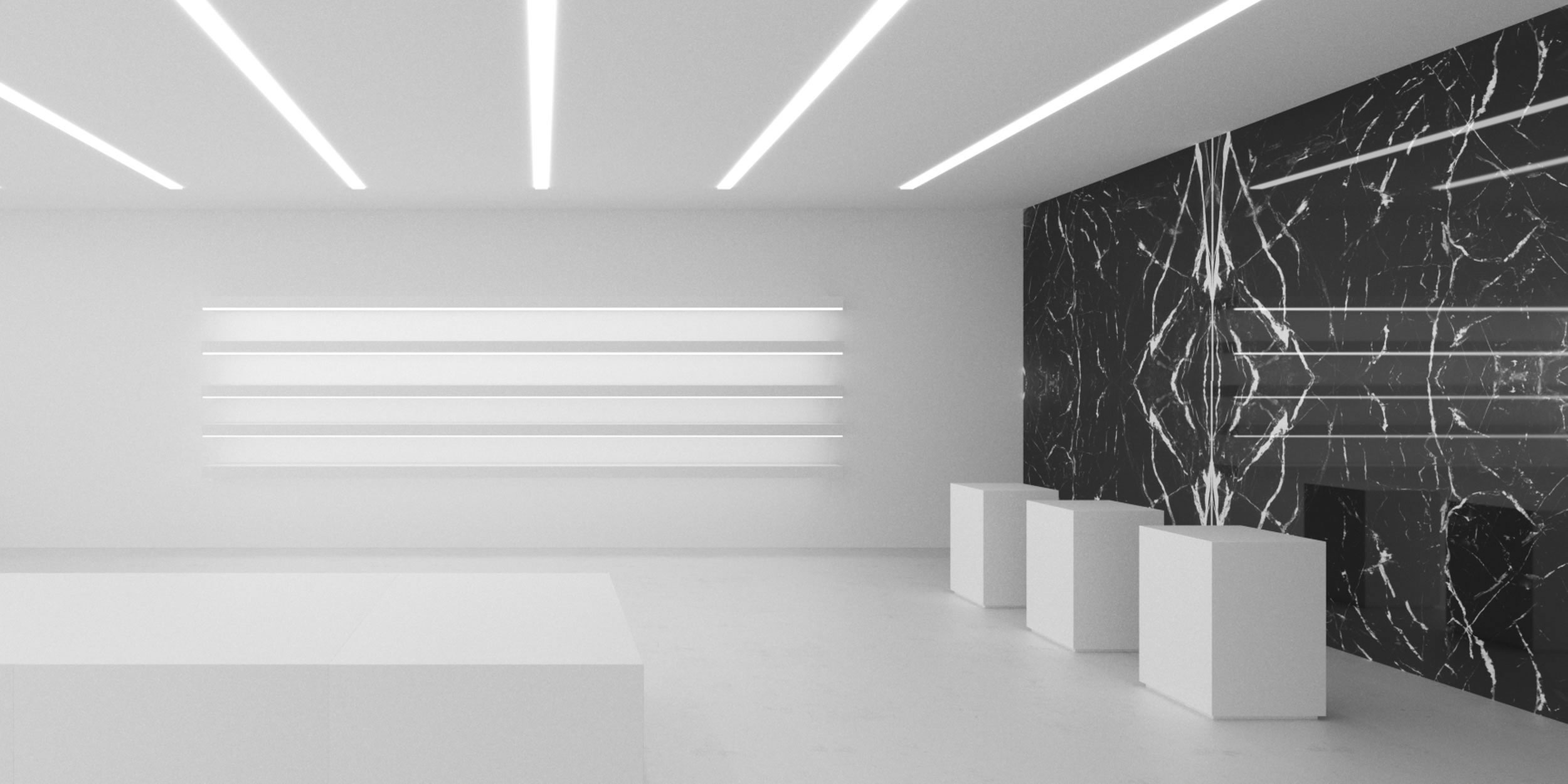
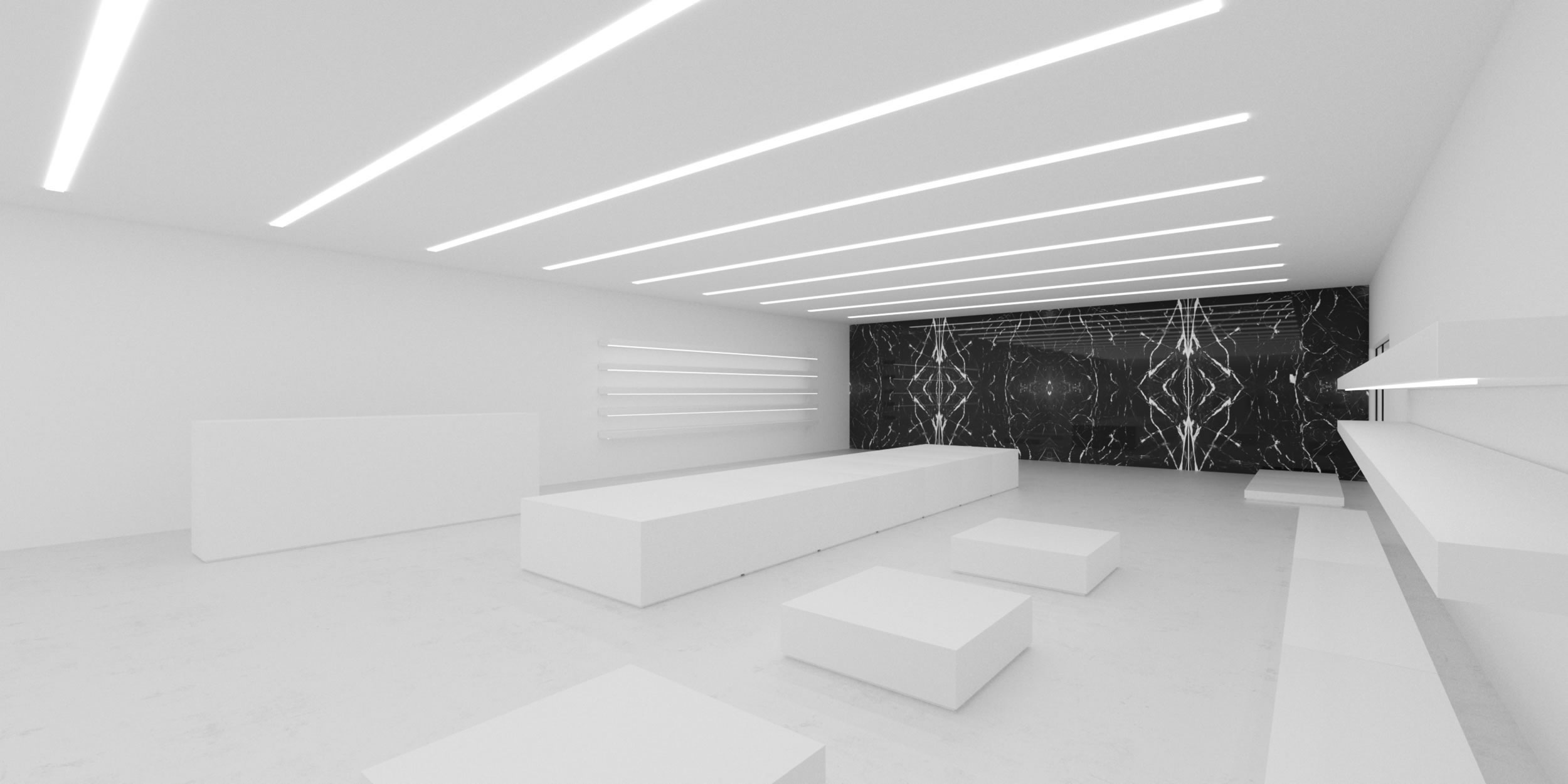
  • Bright room with white counters, wall shelves, low seating blocks and a dark veined rear wall.
  • Illuminated open living area beyond a body of water at night.
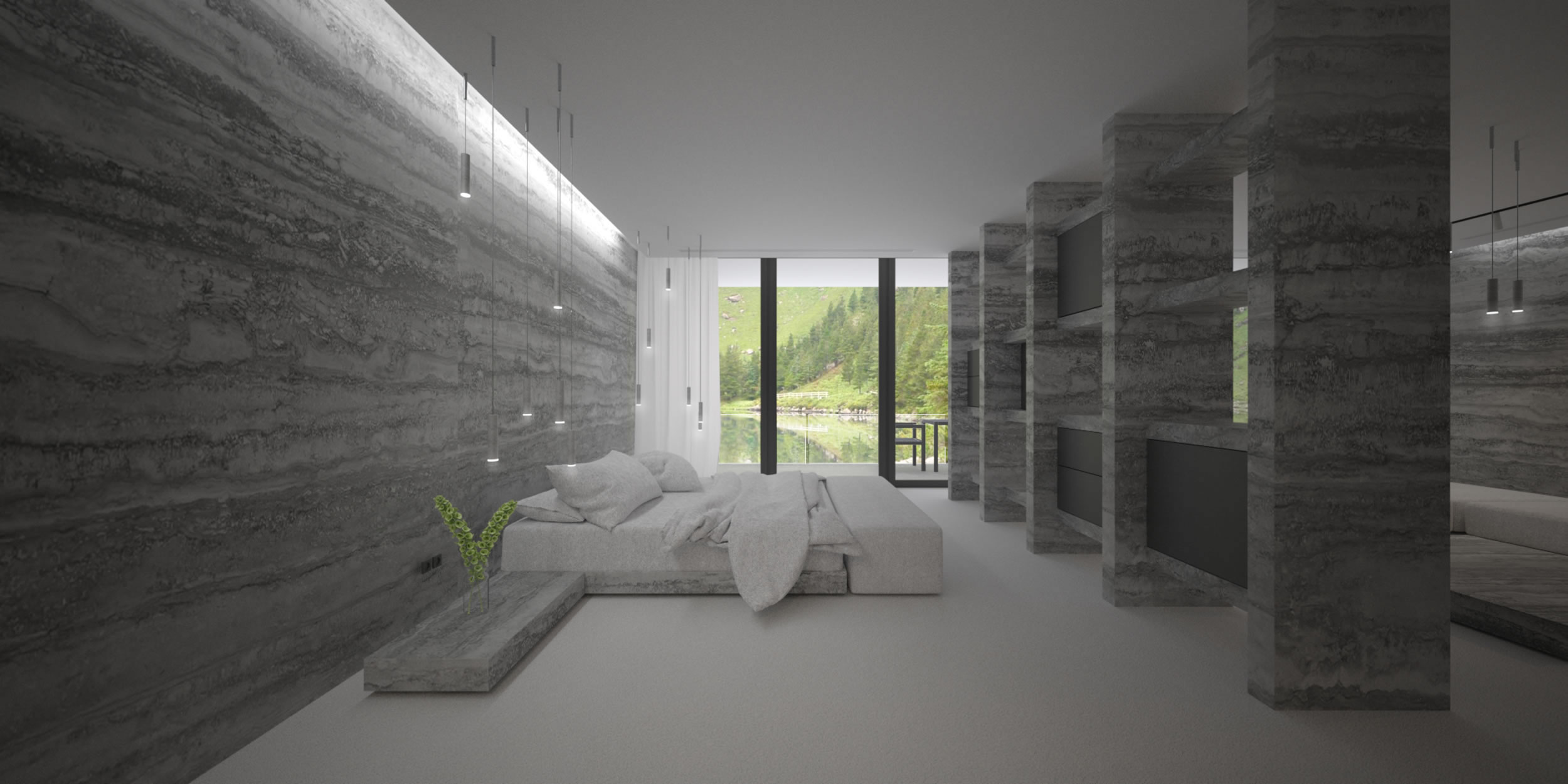
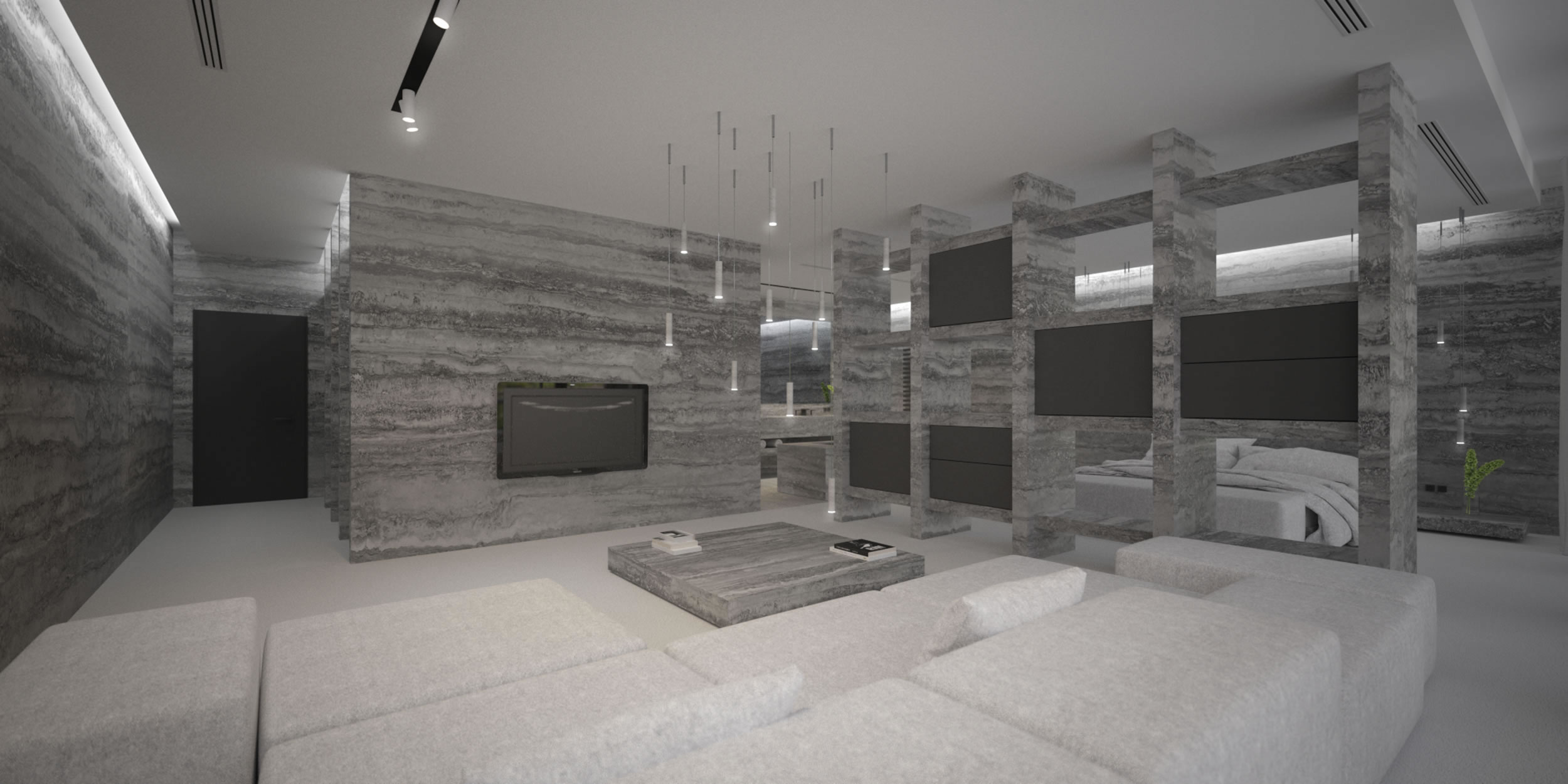
  • Long interior with dark horizontally articulated walls and light upholstered seating.
  • Interior with light veined furniture beside floor-to-ceiling windows overlooking water and mountains.
  • Bright room with white counters, wall shelves, low seating blocks and a dark veined rear wall.
  • Interior with light dark-veined walls and floor, dark furniture blocks and a vertical slatted screen.
  • Long veined table on geometric supports with rounded seating in front of tall windows.
  • Rectangular light and dark veined surround framing a low black opening.
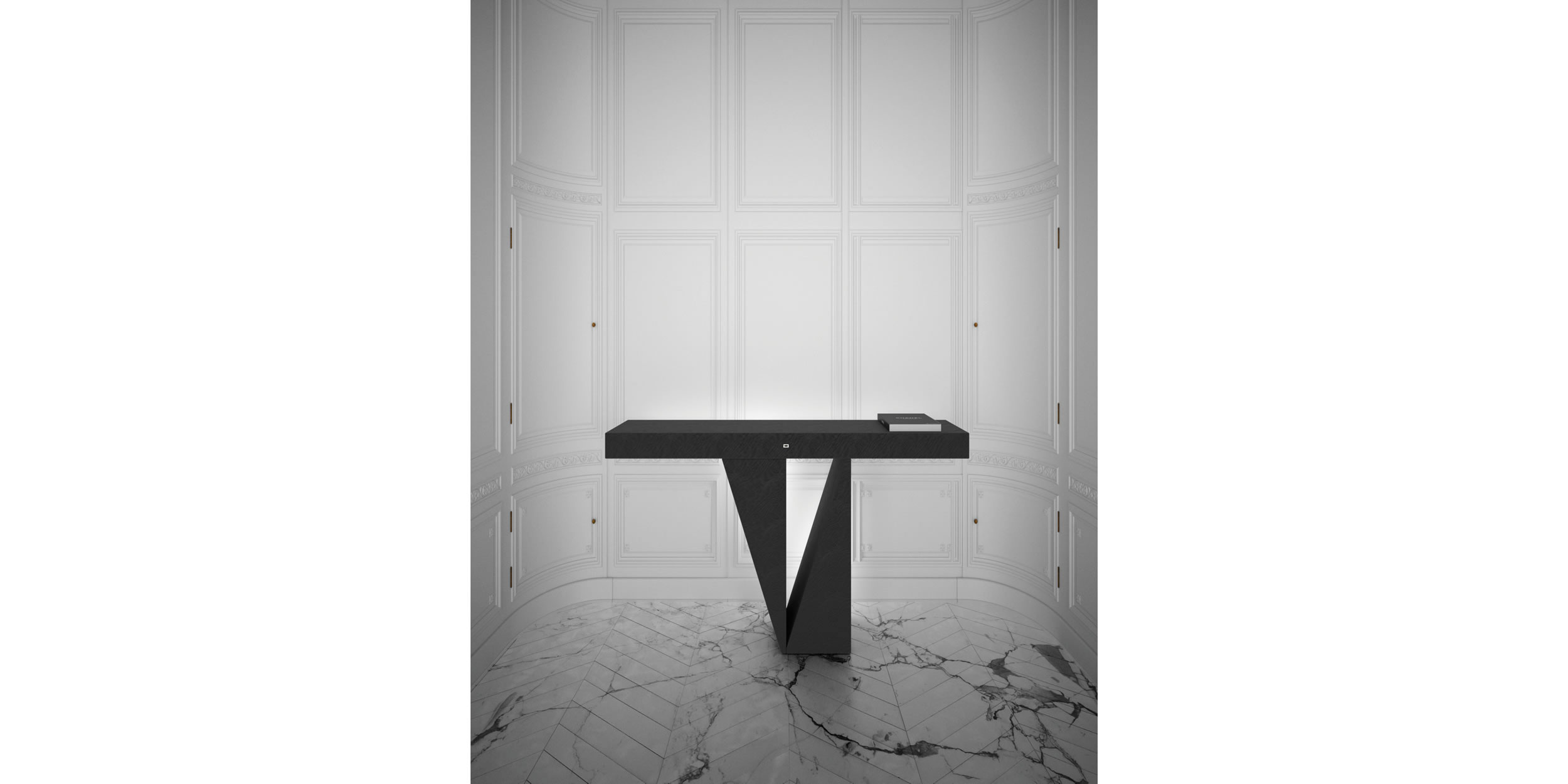
  • Narrow black table on triangular supports in front of a white panelled wall.
  • Light veined desk and tall cabinets in an open covered space.
  • Exhibition space with white benches, a large projection wall and parallel lighting tracks on the ceiling.
  • Illuminated flat-roofed building and seated human sculpture beside a body of water.
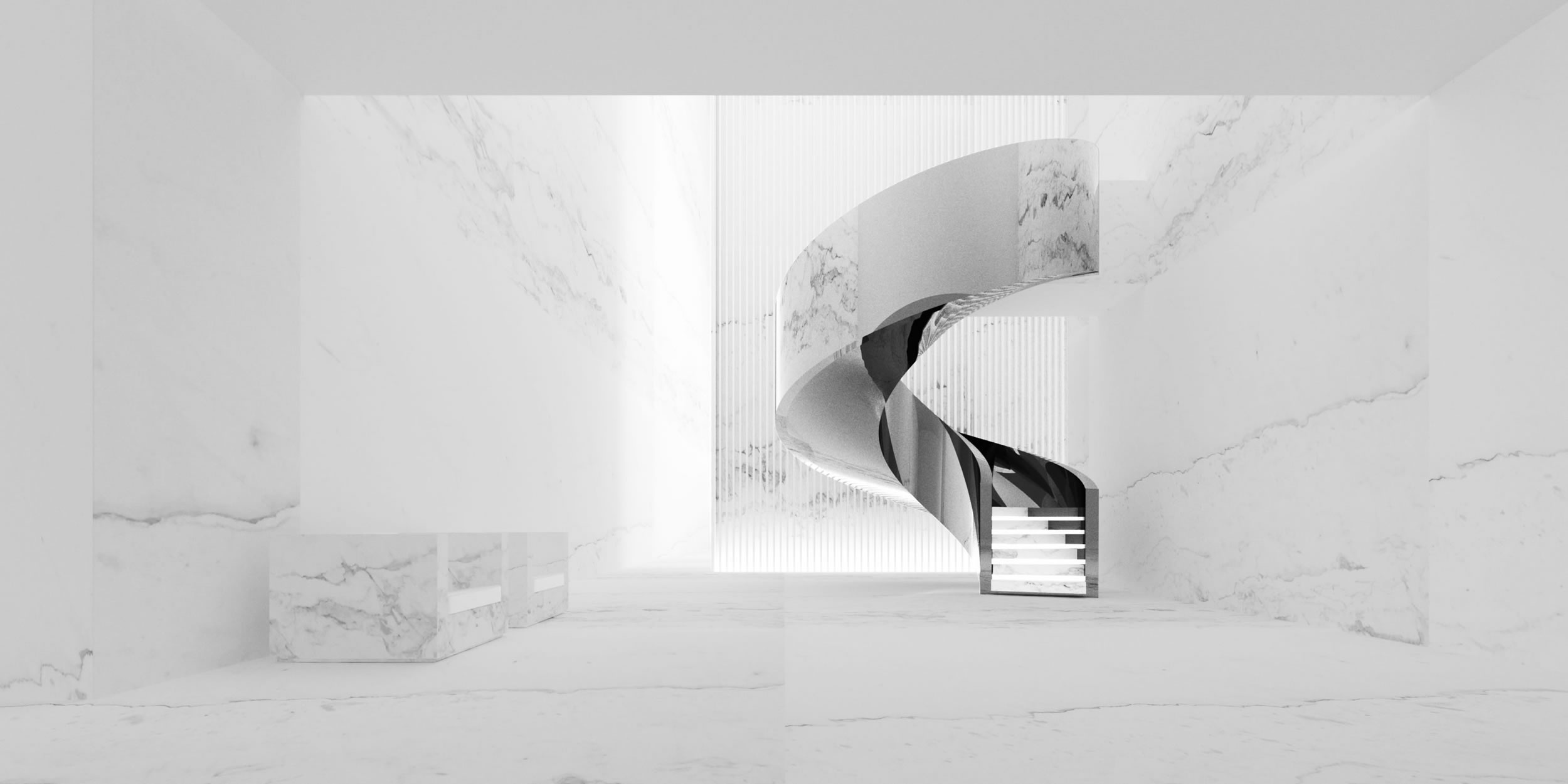
  • Curved light stair wall surrounding a spiral staircase with dark steps.
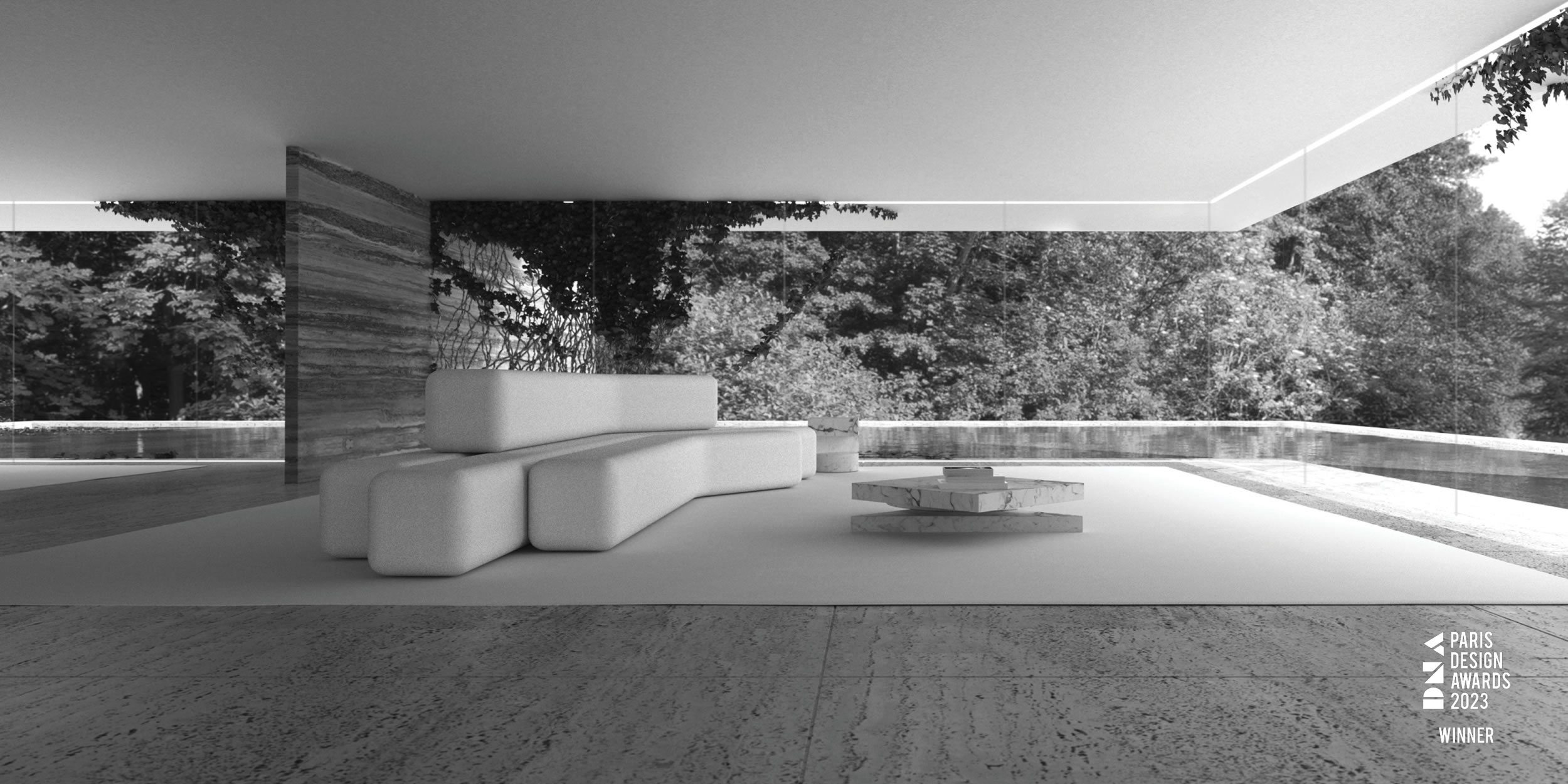
  • Light cubic upholstered seats and a low table in a covered open living area.
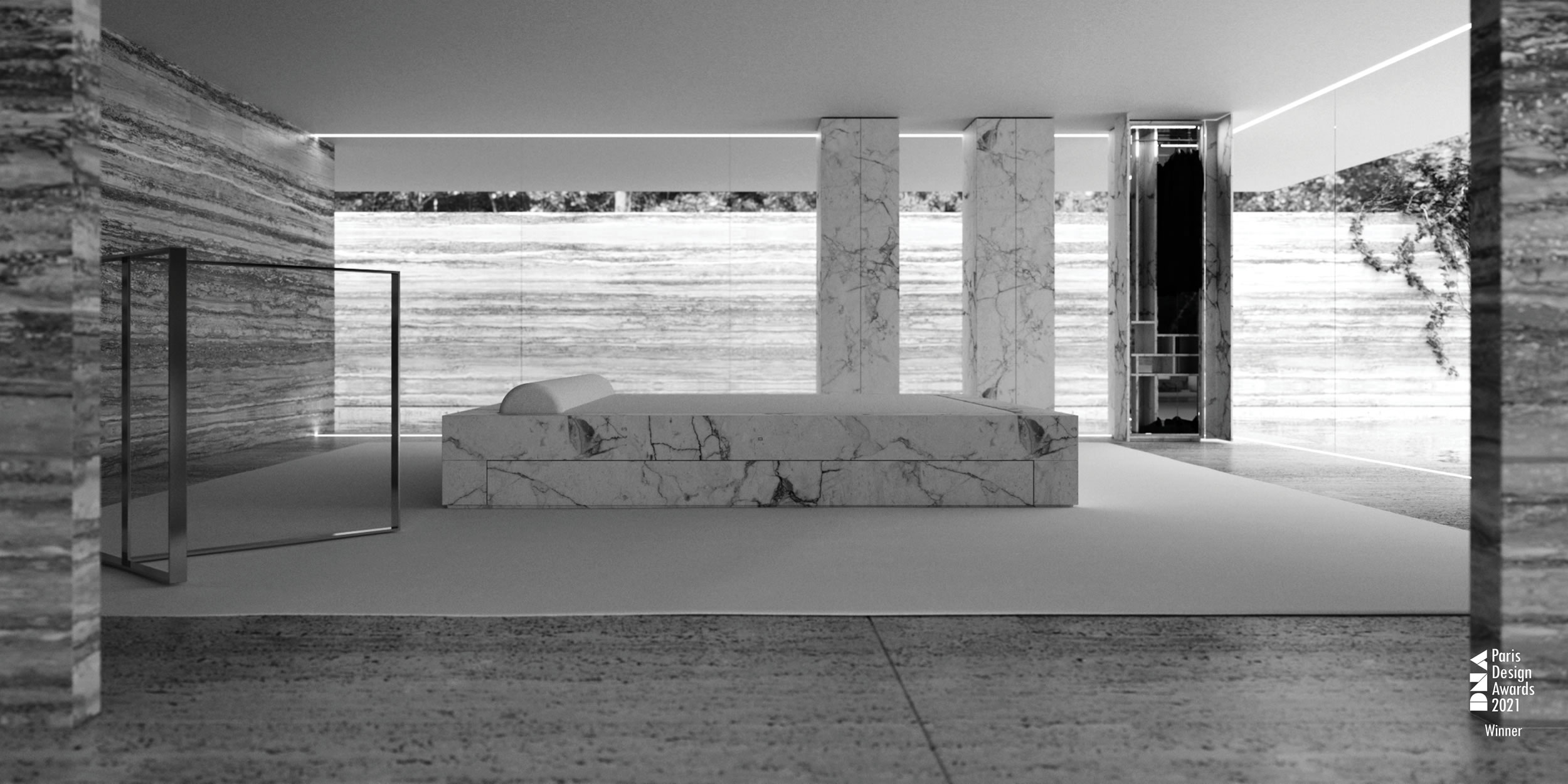
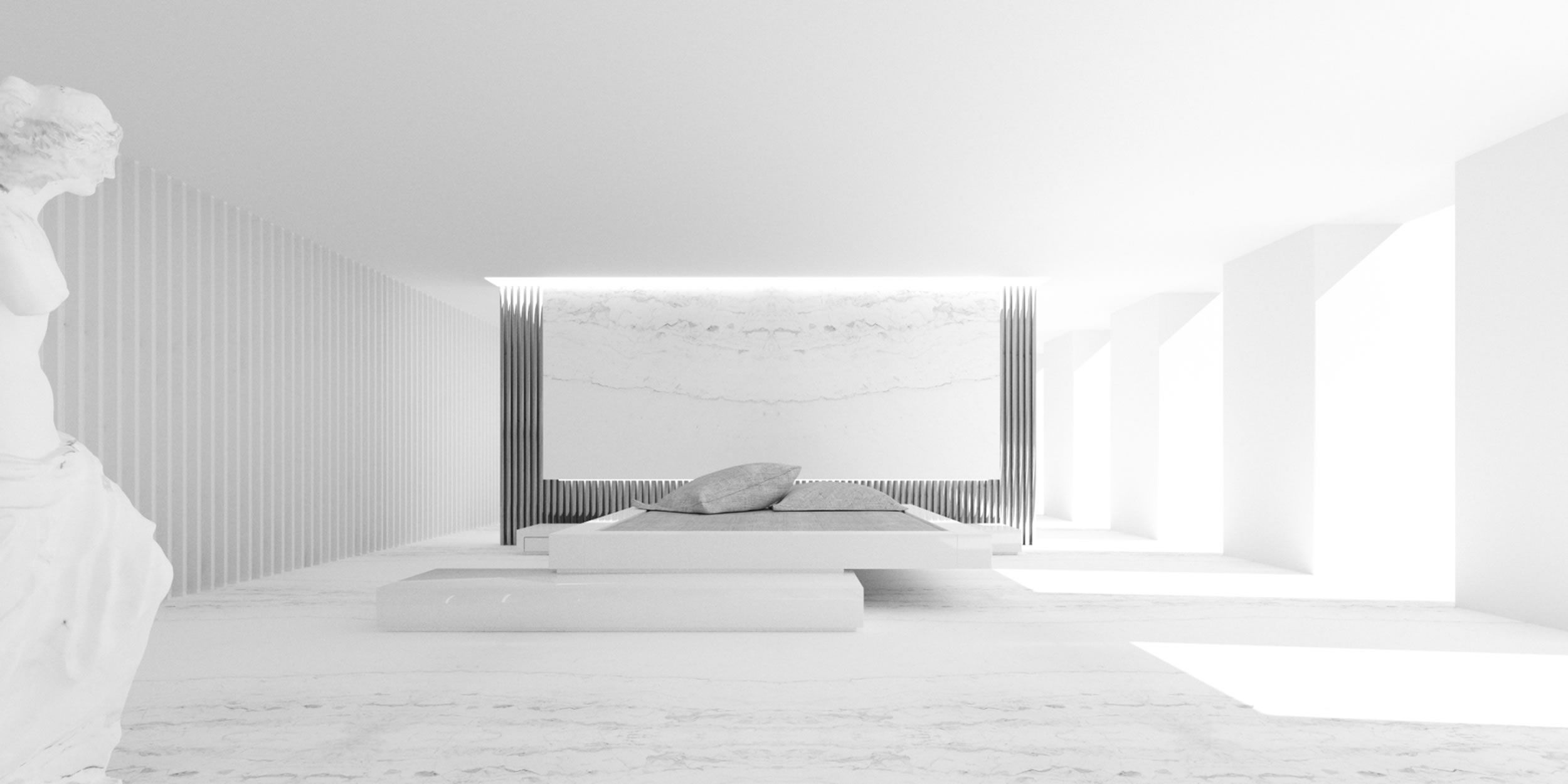
  • Bright bedroom with a white bed in front of a veined rear panel and a classical sculpture at the left edge.
  • Bright bedroom with a white bed in front of a veined rear panel and a classical sculpture at the left edge.
  • Bright room with white counters, wall shelves, low seating blocks and a dark veined rear wall.
  • Long interior with dark horizontally articulated walls and light upholstered seating.