
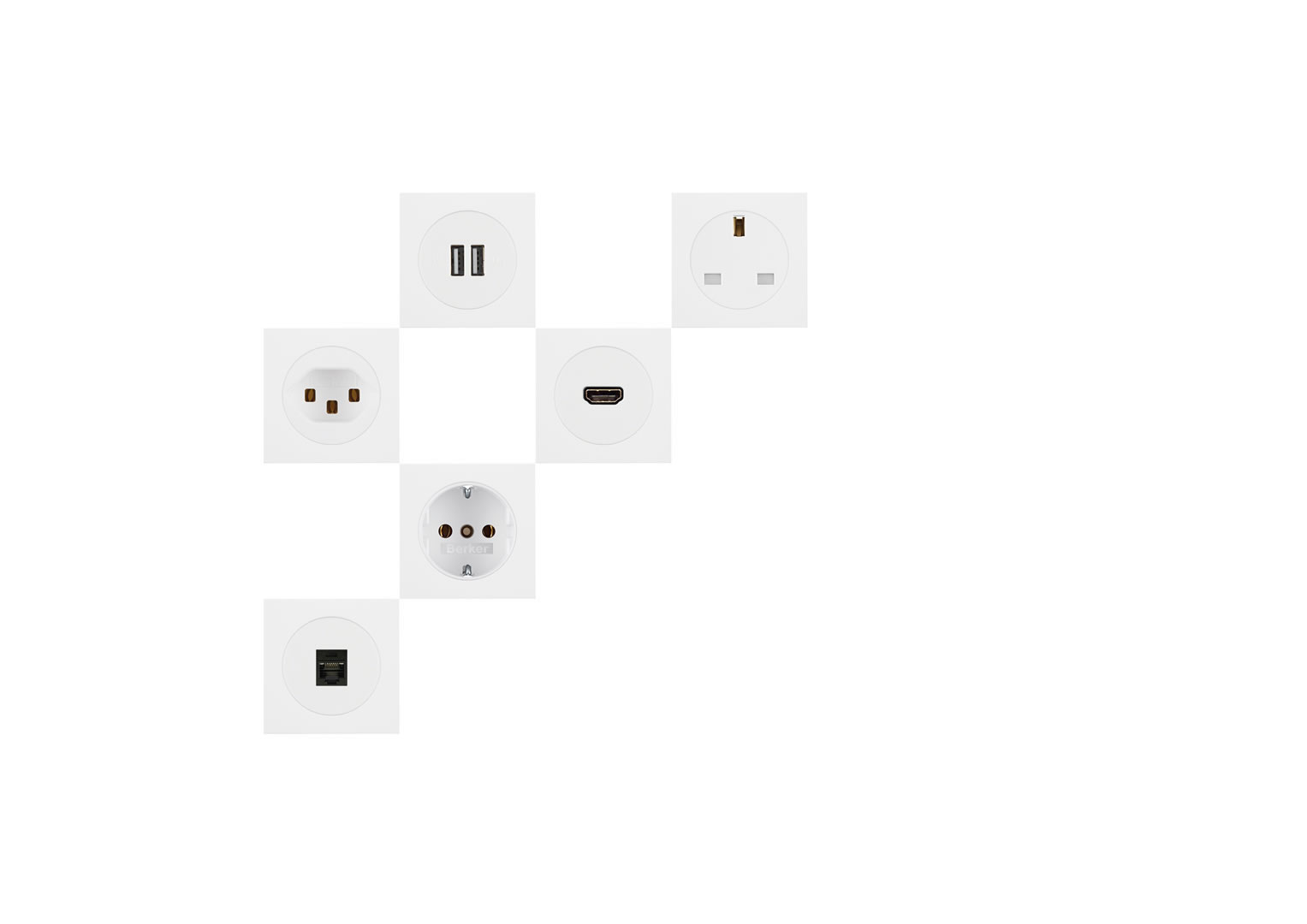
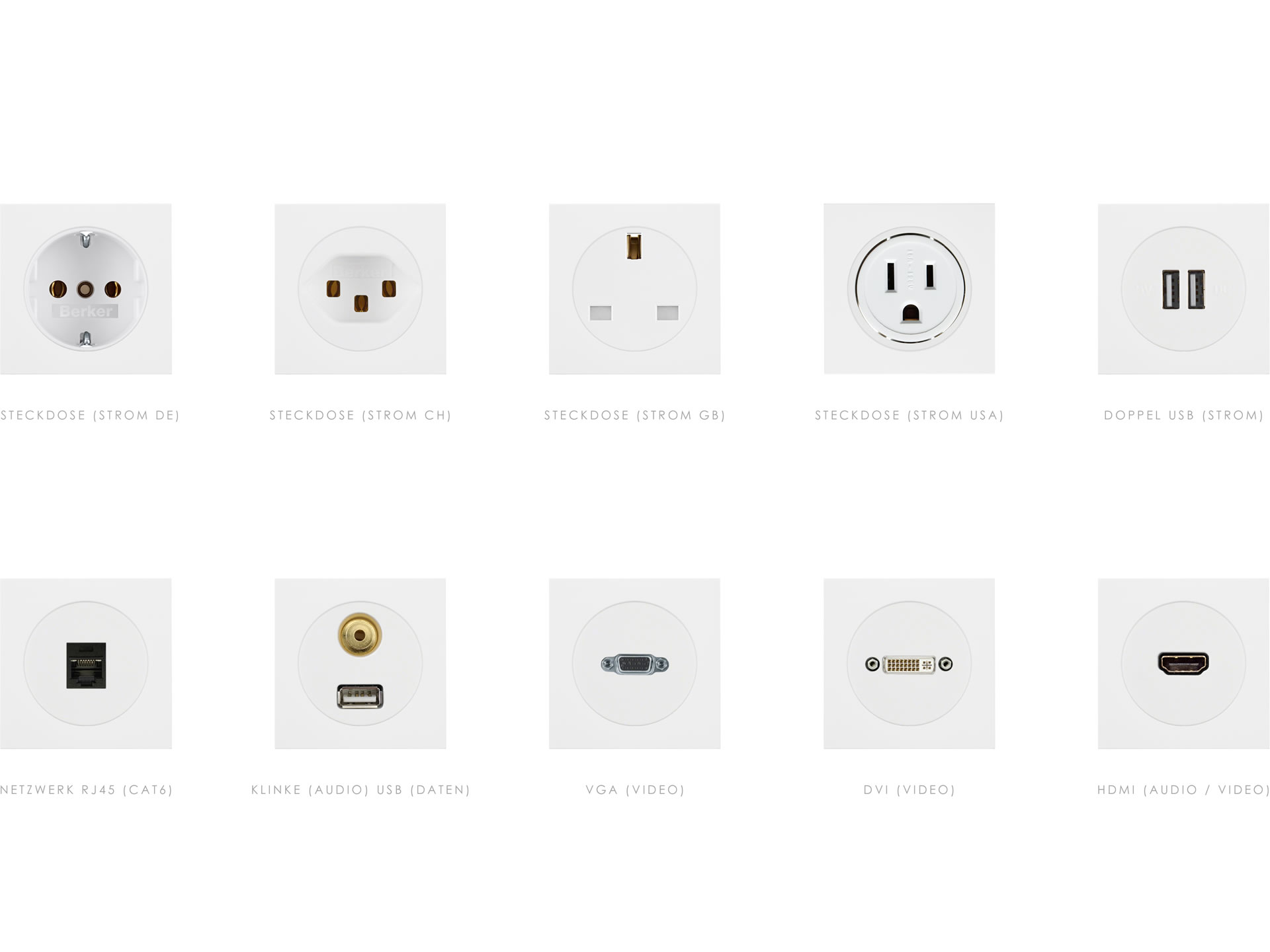
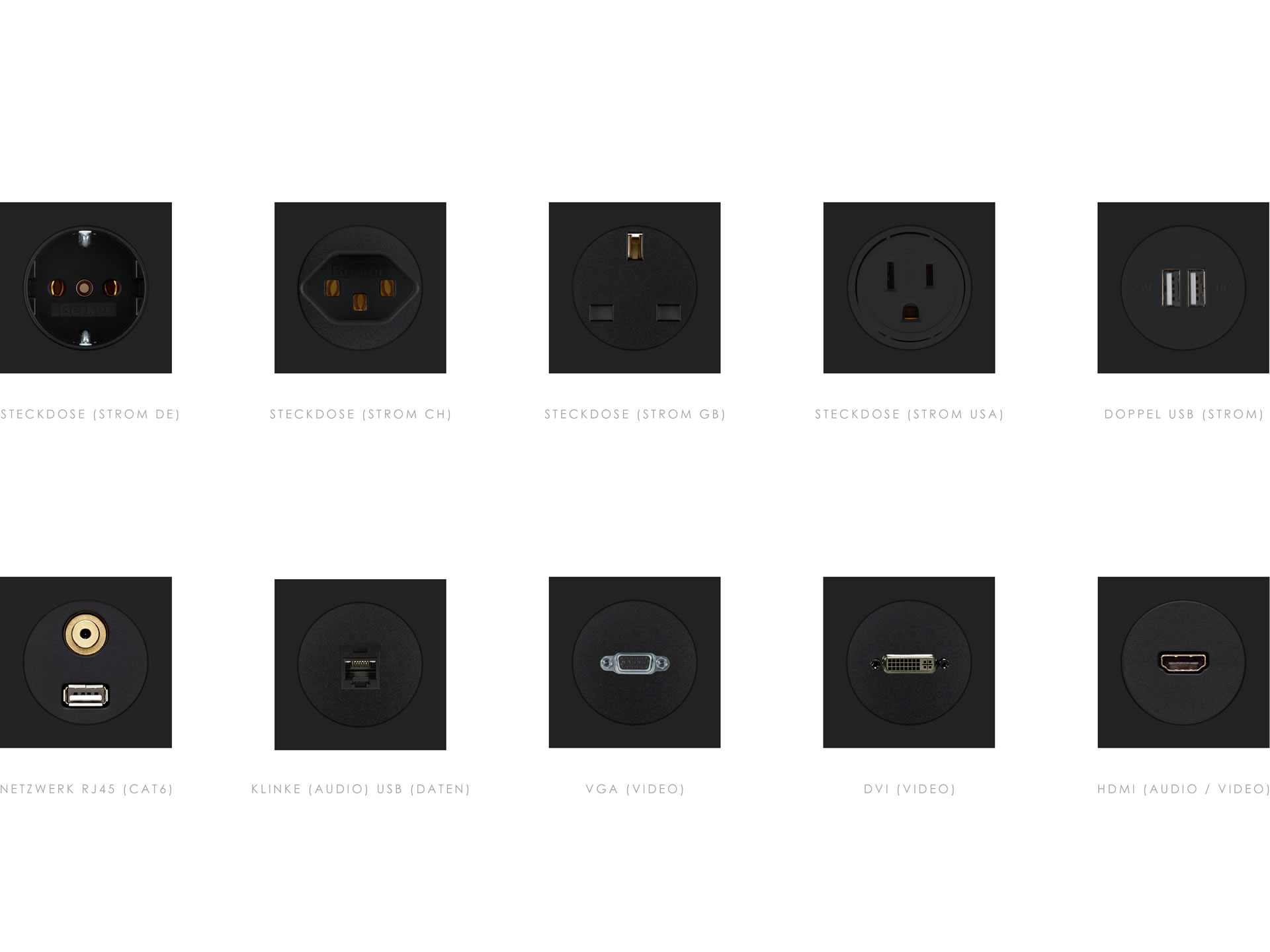
Equipment
Function vs. Art
The works of Felix Schwake follow a reduced geometric order. The visible design is consciously concentrated on the essential. At the same time, the quality of the objects does not emerge from form alone, but from the precise relationship between function, material, and spatial effect.
For this reason, every work is developed according to the individual requirements of its owner. Functions are not added visibly or treated as separate components, but are fully integrated into the architecture of the object itself. Storage, technical equipment, and functional elements remain concealed while still being immediately accessible.
The design does not pursue the goal of maximizing the visibility of technical capabilities. Instead, it seeks to preserve calmness and concentration within space. Functions should support everyday life without overwhelming the spatial clarity of the environment.
This approach follows the idea that architecture and design should serve as a background for life. Spaces and objects carry responsibility for atmosphere and perception. For precisely this reason, quality often emerges not through additional design elements, but through deliberate reduction and precise integration.
The works consciously position themselves between architecture, interior design, and functional art. Materiality, proportion, and use are not understood separately, but as a shared spatial task.
The bespoke development of each object enables a direct connection between the requirements of everyday use and a long-term architectural order. Design is understood not as a short-lived visual appearance, but as an enduring spatial experience.
Further insights into materiality, functions, and individual project developments are provided through personal consultation.