
Metal Surfaces
Wabi-Sabi
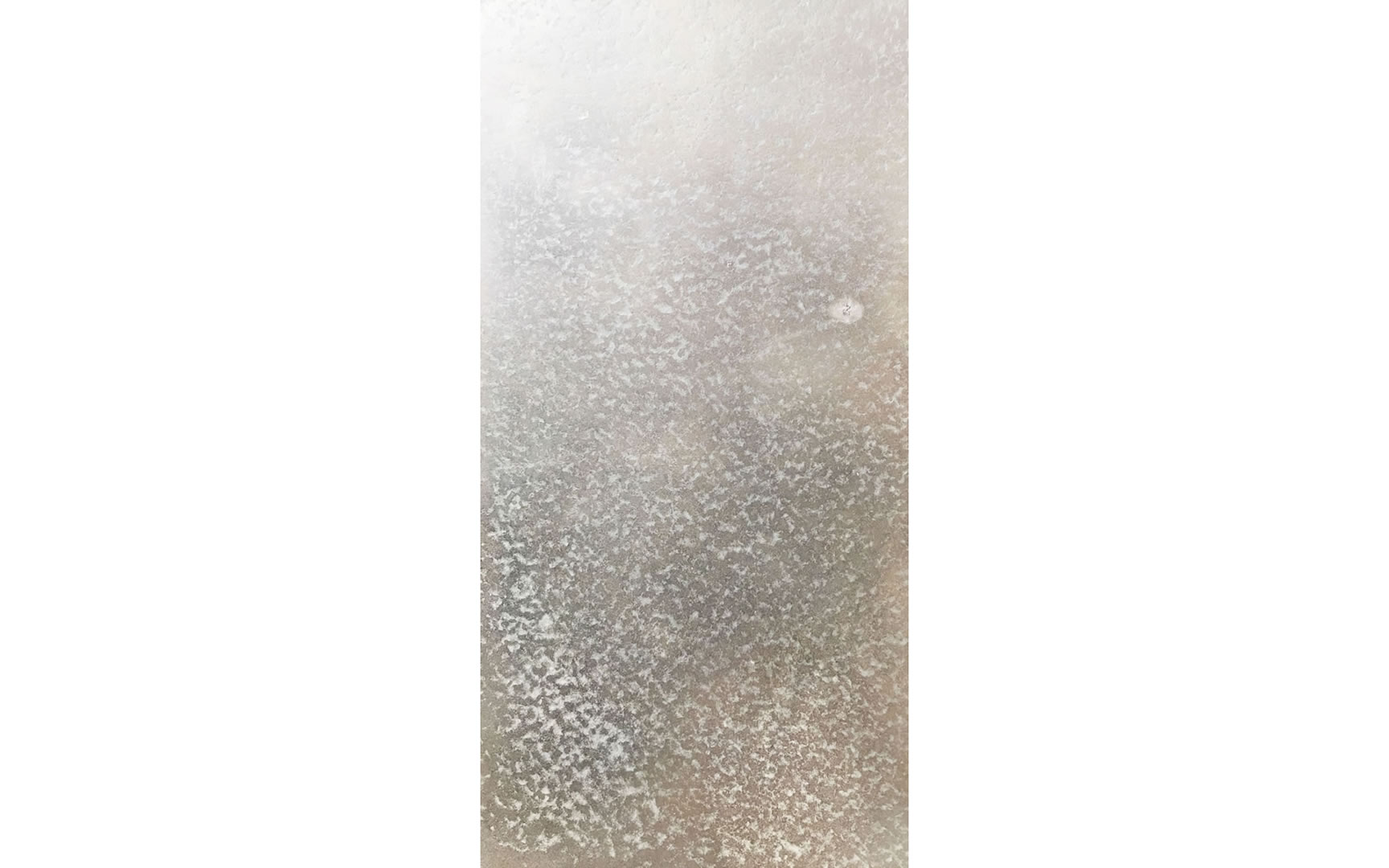
Metals possess a particular form of material honesty. Their surfaces do not remain unchanged, but respond to touch, use, light, and time. It is precisely within this process that their spatial and atmospheric quality emerges.
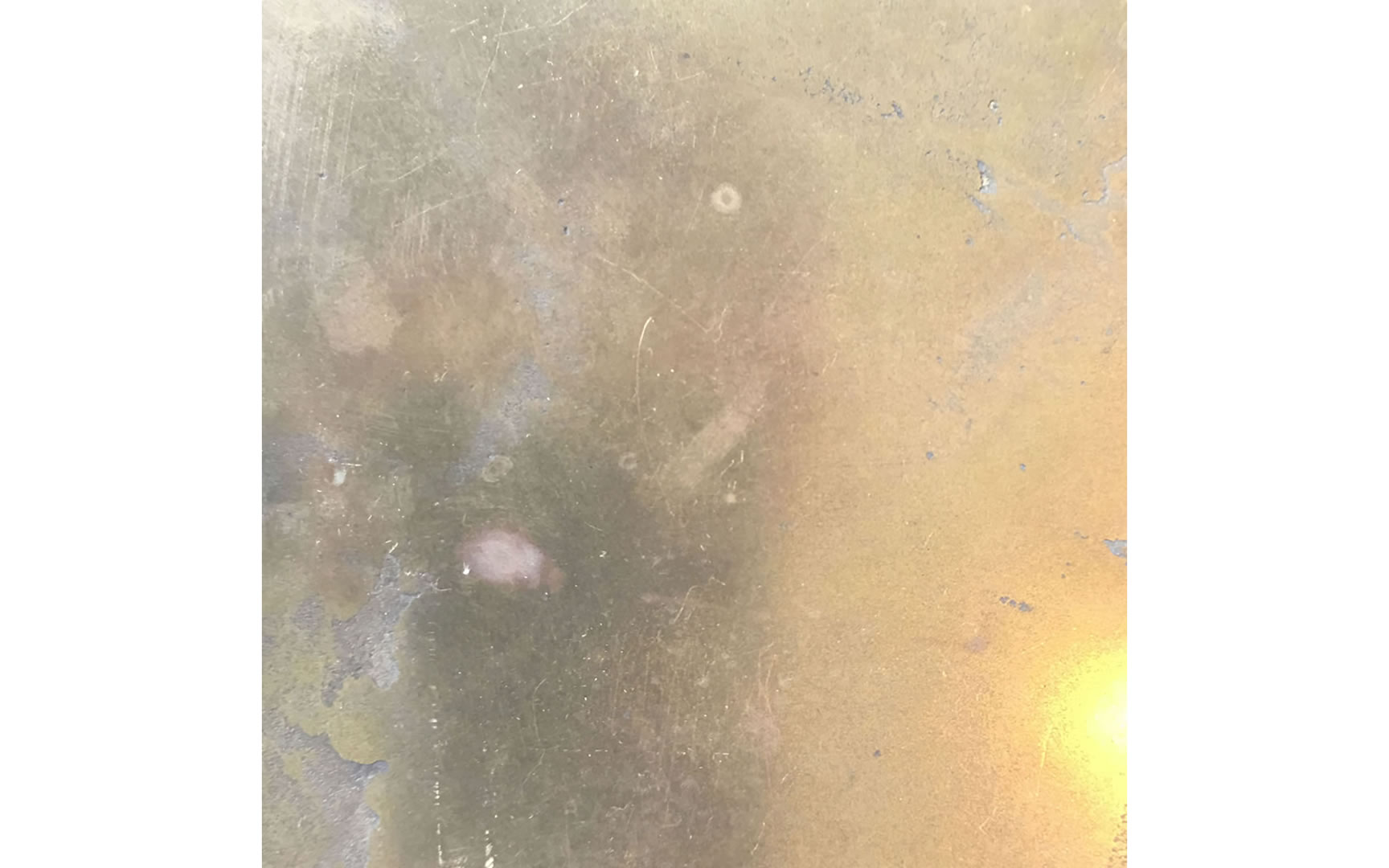
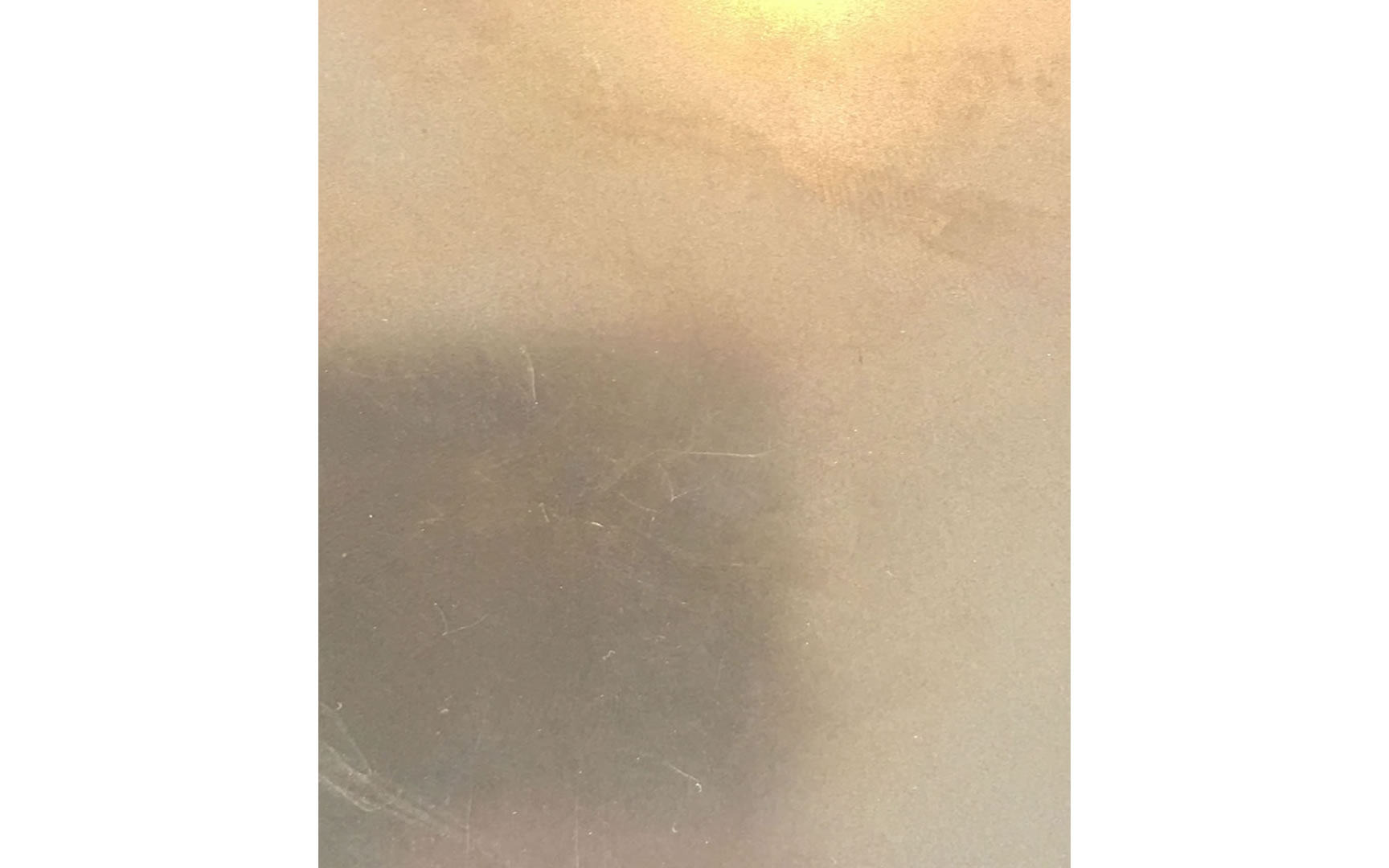
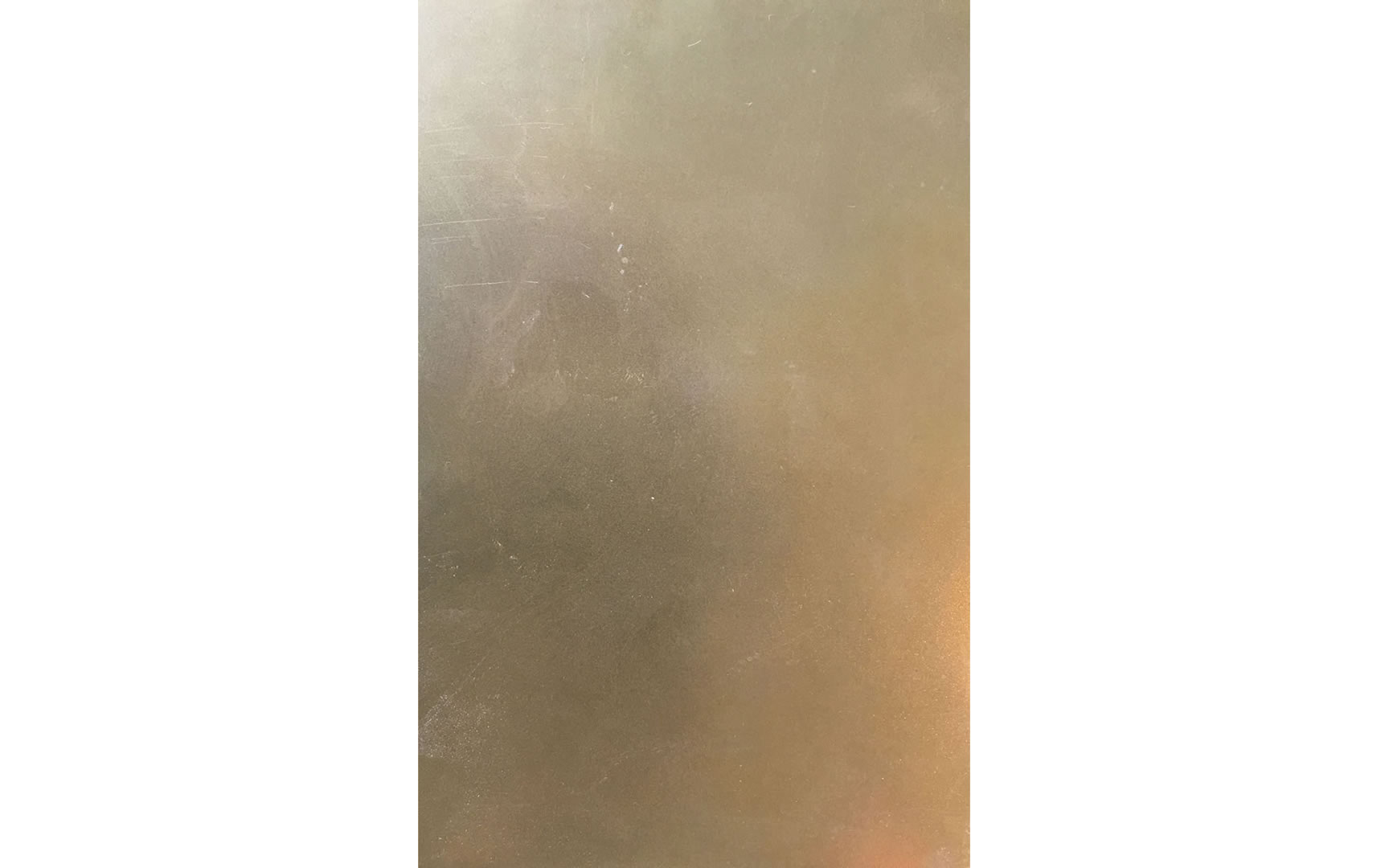
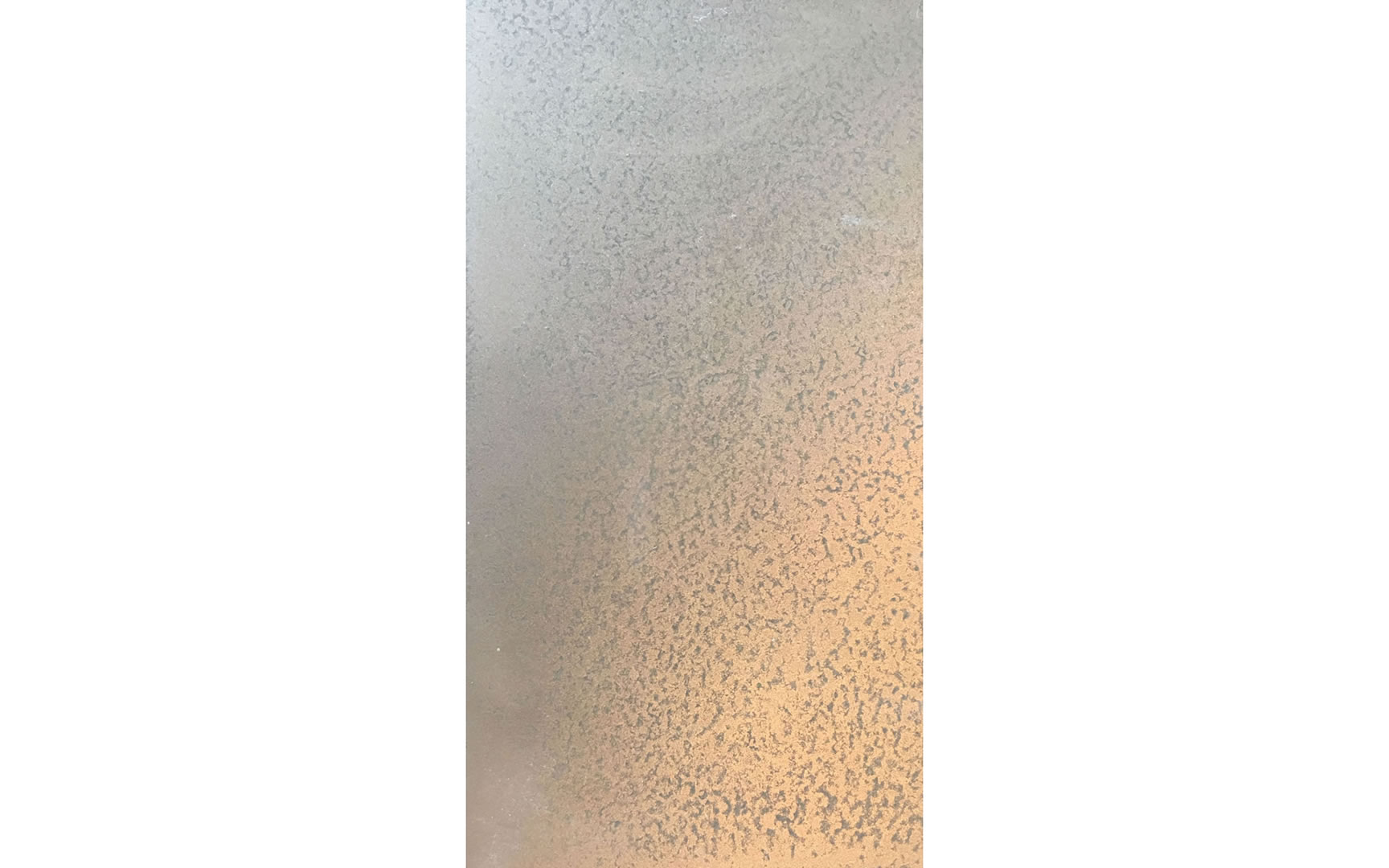
Materials such as brass do not develop their characteristic effect solely in their polished condition. Through oxidation, the surface continuously changes over time. Darker areas emerge where the material remains untouched, while contact leaves lighter traces and reveals the original warm glow of the metal.
The surface therefore records use and human presence directly within the material itself. Similar to historic door handles or church gates, beauty emerges not despite use, but precisely through it. Material becomes a visible carrier of time and experience.
The works of Felix Schwake consciously engage with these qualities. Metal is not understood as a sterile or artificial surface, but as a living material with its own aging process and its own history. The design does not attempt to prevent these transformations, but integrates them as part of the architectural effect.
The reduction to clear geometric forms creates calmness and concentration. As a result, materiality, light, and surface become more perceptible. The transformation of the material itself becomes part of the spatial atmosphere.
The works consciously position themselves between architecture, interior design, and functional art. Material, use, and perception are not understood separately from one another. Architecture also emerges through aging, touch, and the visible traces of life.
Especially in an age of flawless digital surfaces, materials with genuine patina and visible transformation gain particular significance. Authenticity emerges where material is allowed to age and where use remains visible.
Further insights into materiality, surfaces, and individual project developments are provided through personal consultation.