
Luxury Property Rosenlund
Book
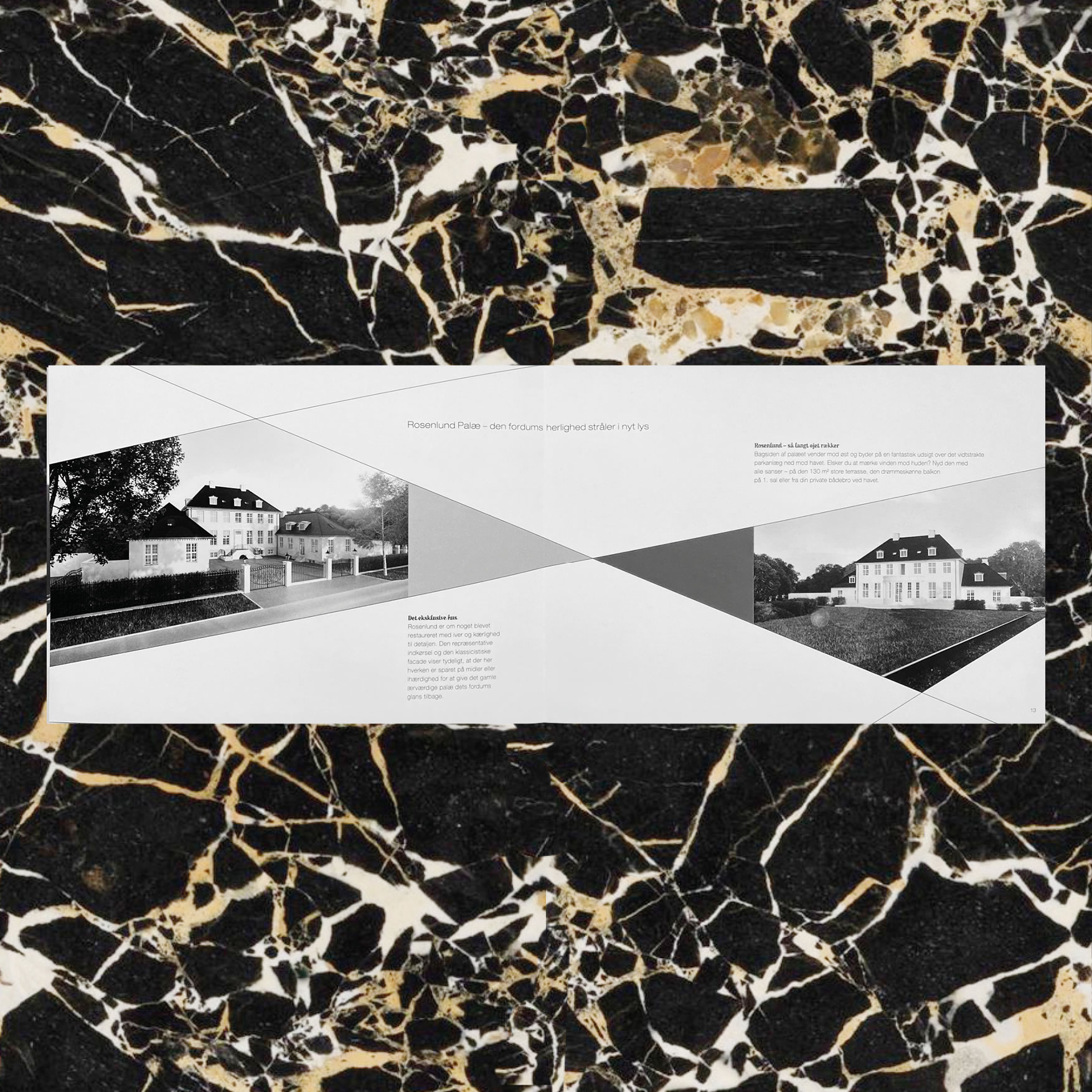
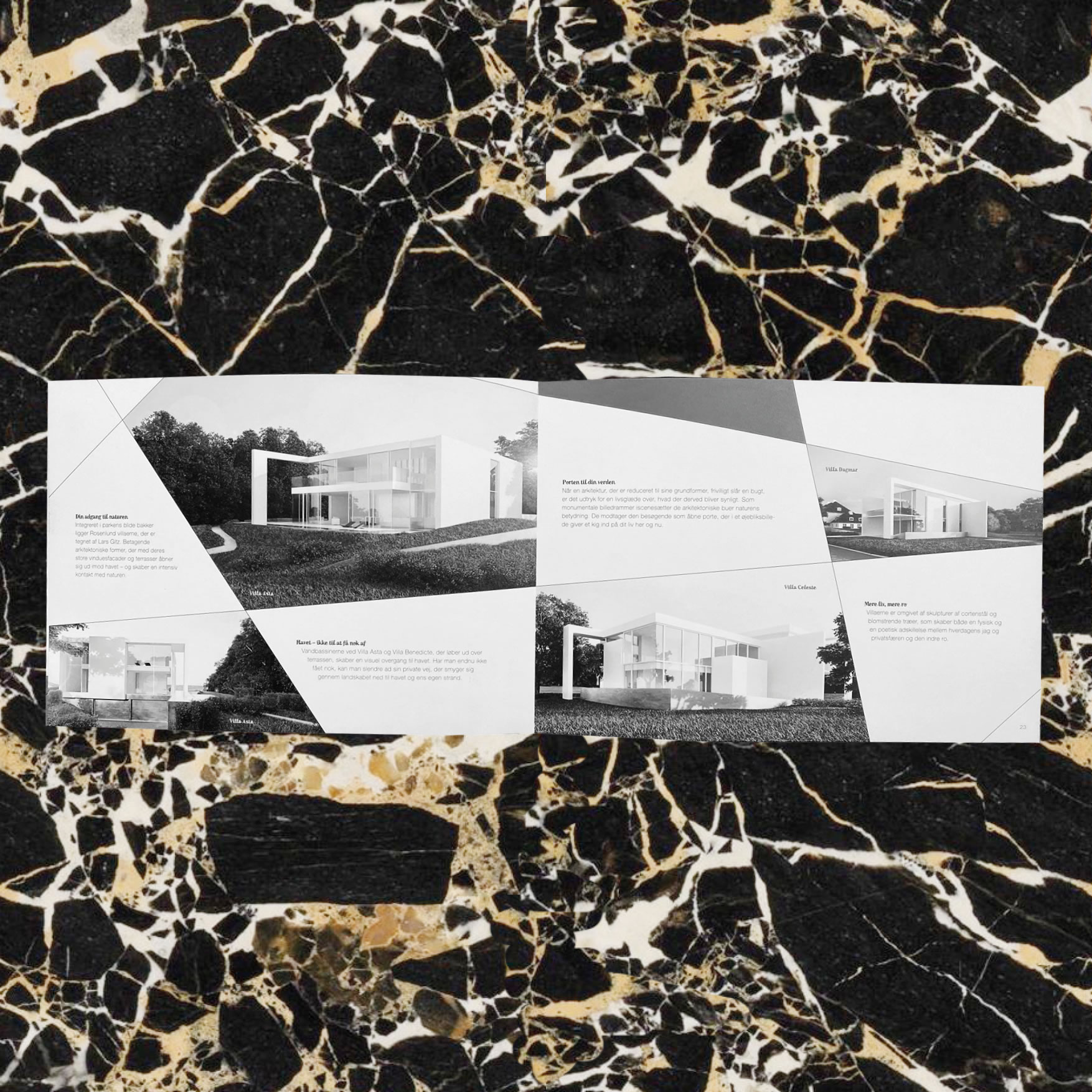
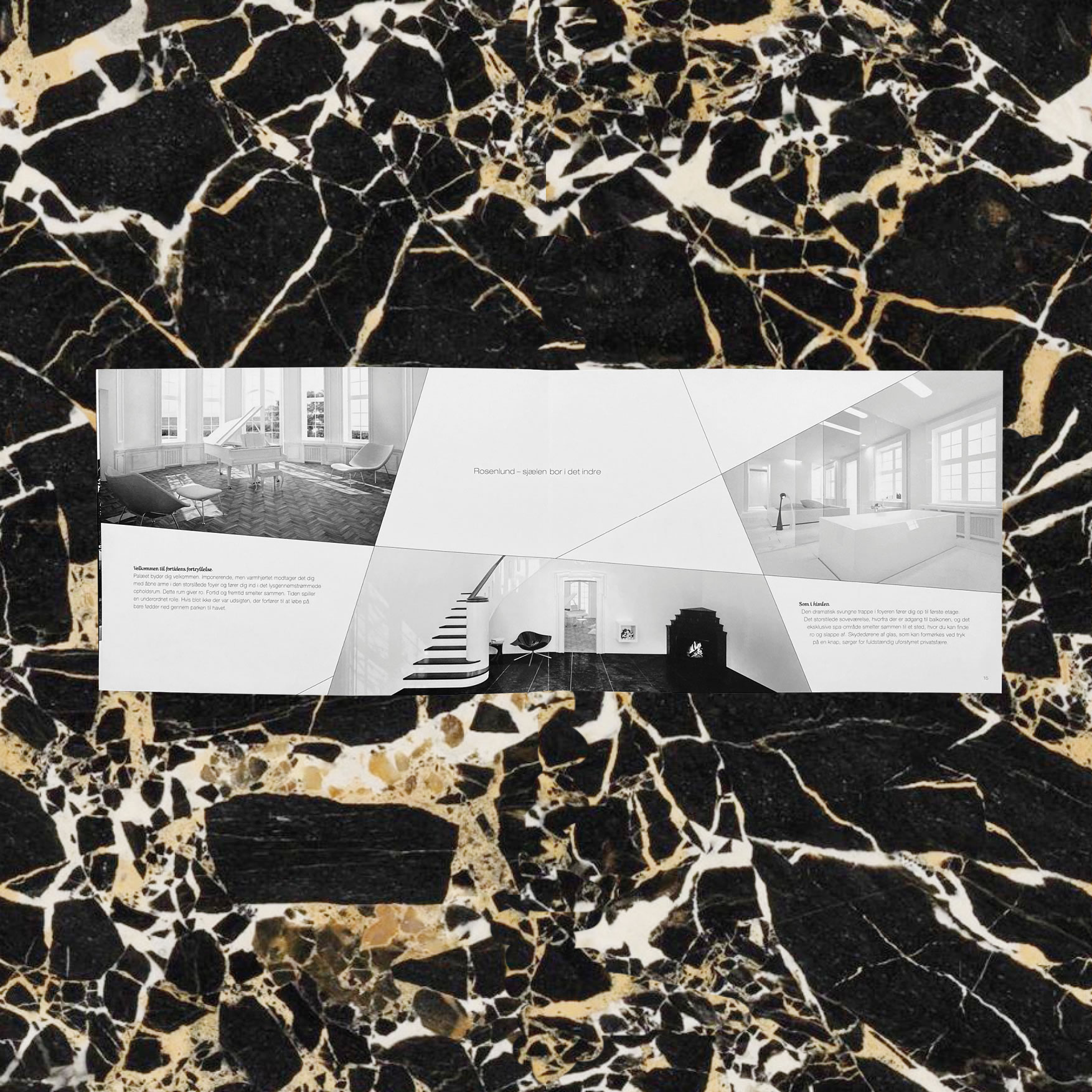
The Rosenlund development emerged from an exploration of how architecture and interior design can jointly create a calm and enduring spatial atmosphere. The interior developed by Felix Schwake is not understood as a decorative addition to the architecture, but as an integral part of the overall spatial concept.
The design is based on a deliberate reduction to material, proportion, and use. The interior spaces follow a clear geometric order and avoid visual layering or short-term stylistic effects. Architecture and interior are not treated as separate disciplines, but developed as a coherent spatial structure.
The works consciously position themselves between architecture, interior design, and functional art. Furniture and built-in elements do not emerge as autonomous objects, but as part of the spatial atmosphere. Functions are fully integrated, allowing calmness, clarity, and concentration to arise.
The reduction does not serve an end in itself. Rather, it is about shaping spaces that have a long-term influence on perception and everyday life. Materiality, light, and spatial proportion therefore gain particular importance. Architecture is understood as a background for life — not as a permanent visual assertion.
The Rosenlund project also reflects an attitude toward high-end residential design that deliberately distances itself from decorative over-staging. Luxury here does not emerge from excess, but from precision, material awareness, and atmospheric calm.
The works of Felix Schwake understand design in this context not as a separation between art and use. Instead, spaces and objects are developed so that function, material, and spatial experience converge into a unified architectural order.
The project thus documents a continuous engagement with questions that still define the work today: How does atmosphere emerge? What responsibility does design carry in everyday life? And how can reduction lead to lasting spatial quality?