
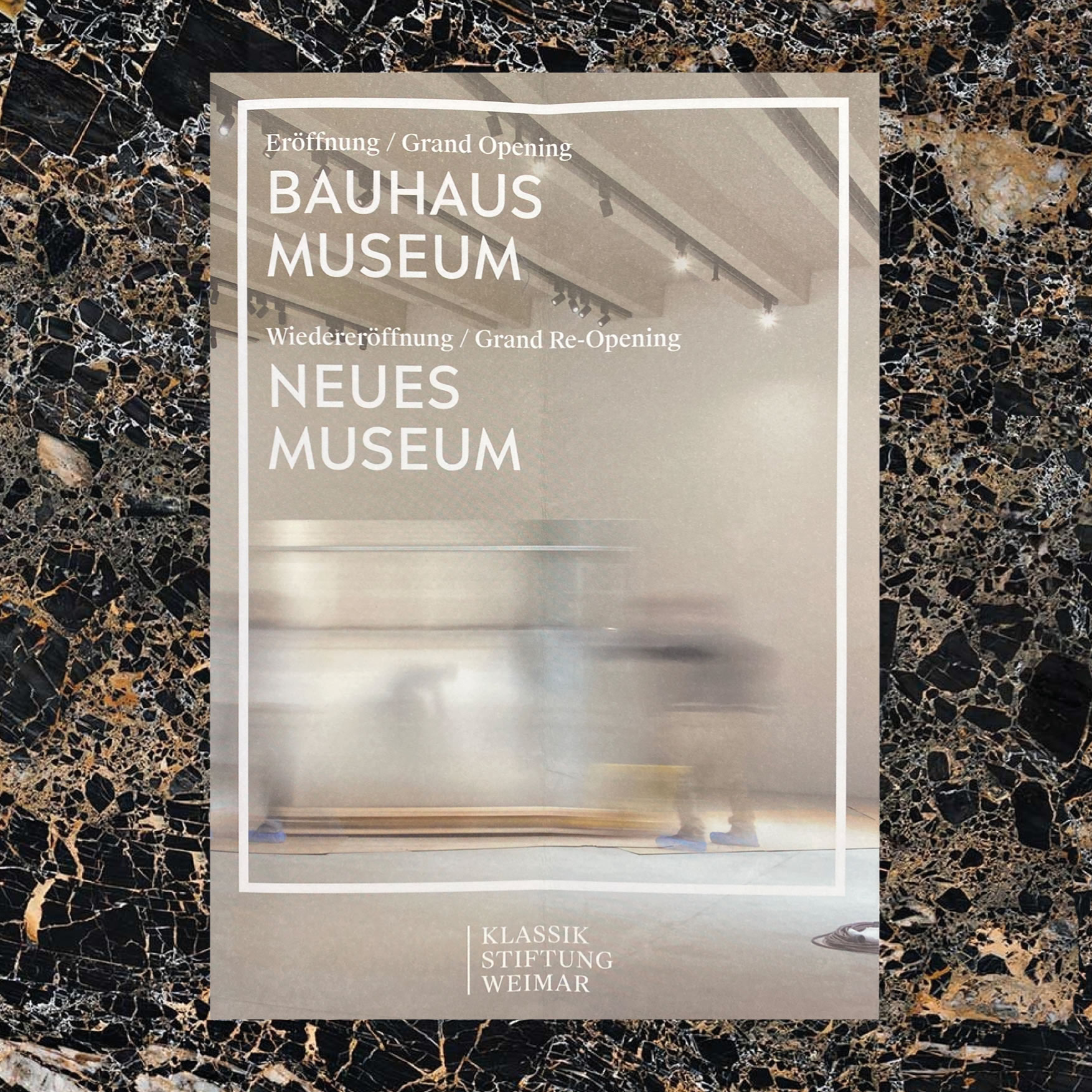
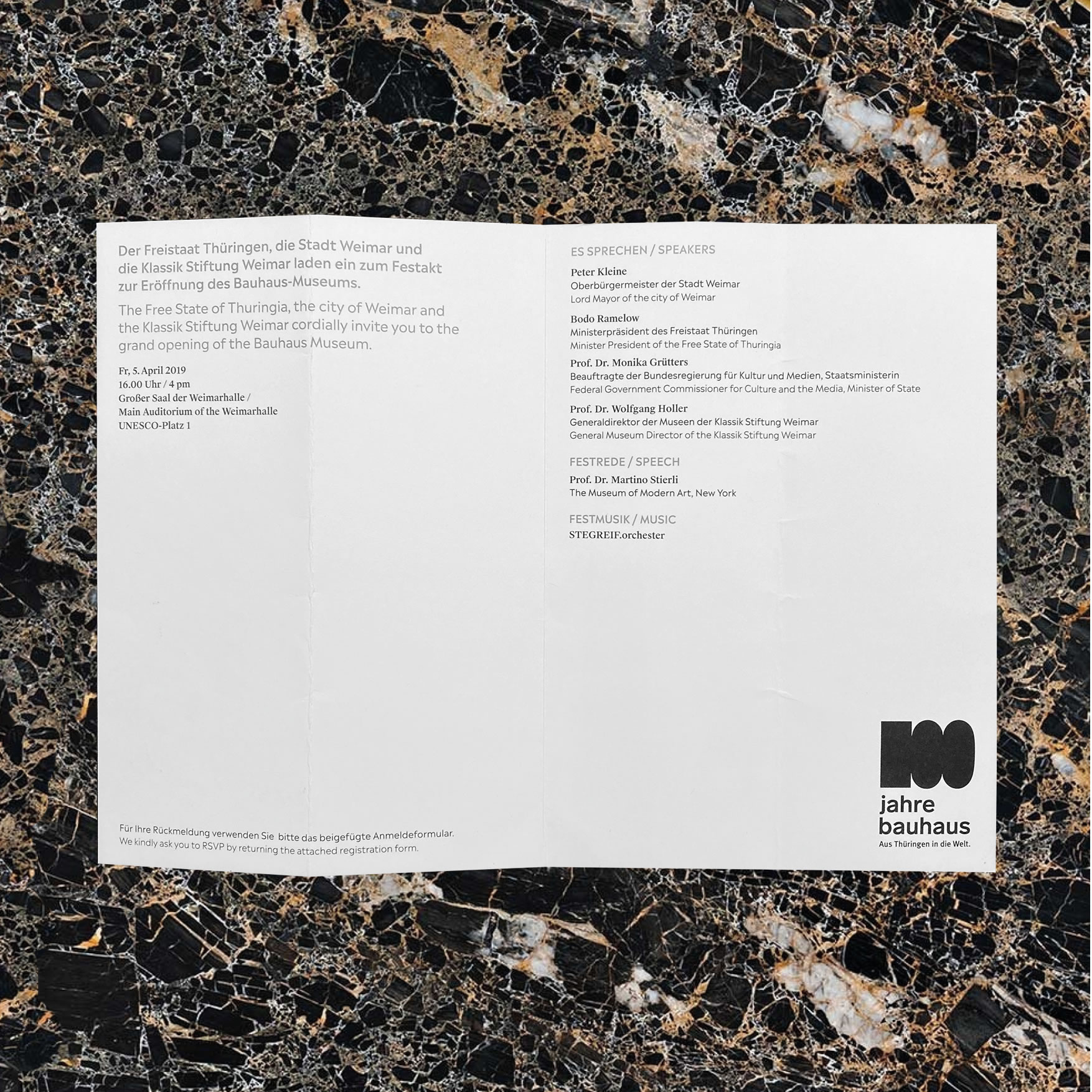
Invitation
100 Years of Bauhaus, Weimar
As part of the centenary of the historic Bauhaus, the Bauhaus Museum Weimar was established as a new site for engaging with questions of design, society, and everyday life. Felix Schwake was commissioned to design the museum store.
The project was not conceived as the design of a conventional retail space, but as a spatial task within a cultural context that, perhaps more than any other, is closely connected to questions of function, material, and design. The decisive intention was therefore to develop a restrained spatial order that supports the character of the institution without pushing itself to the foreground.
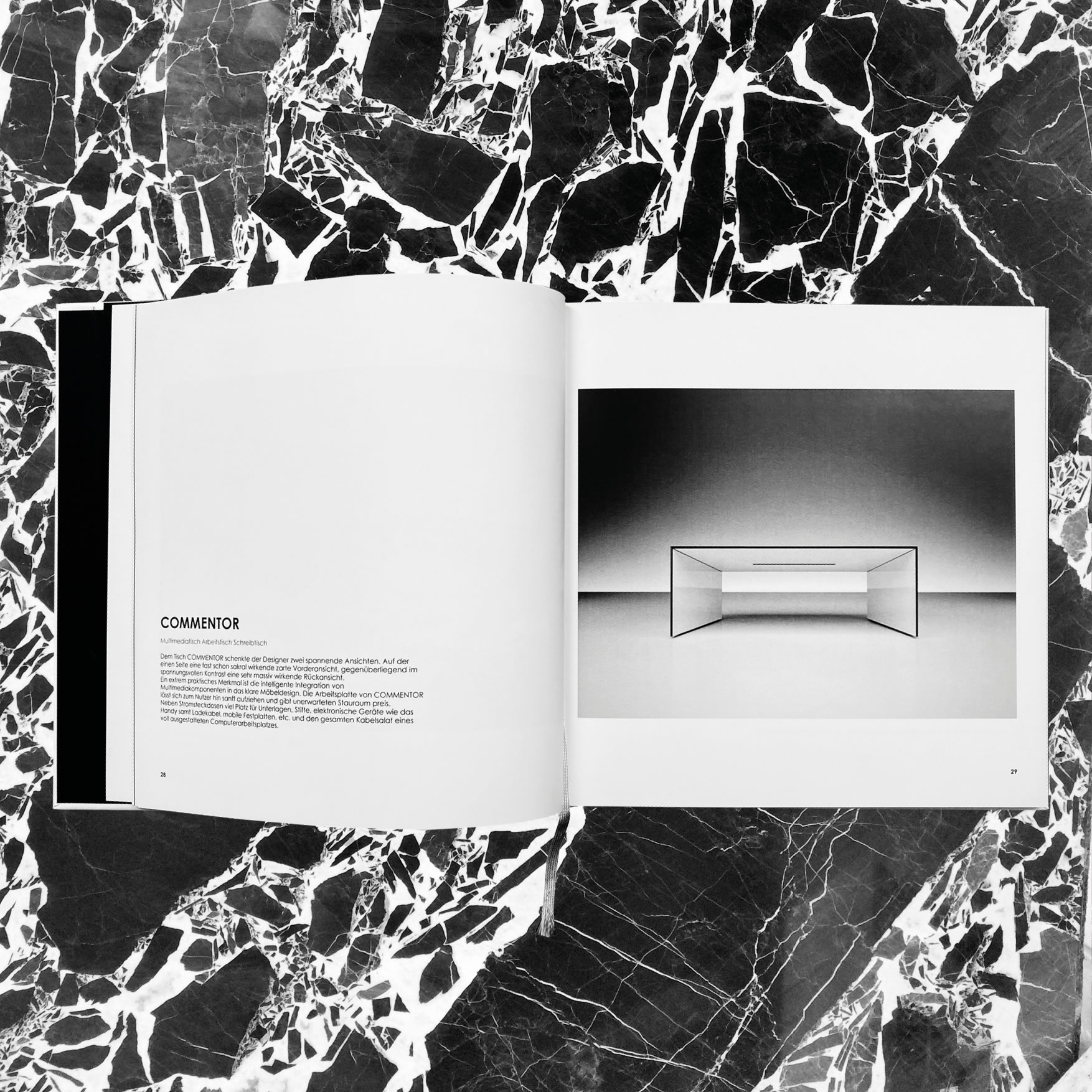
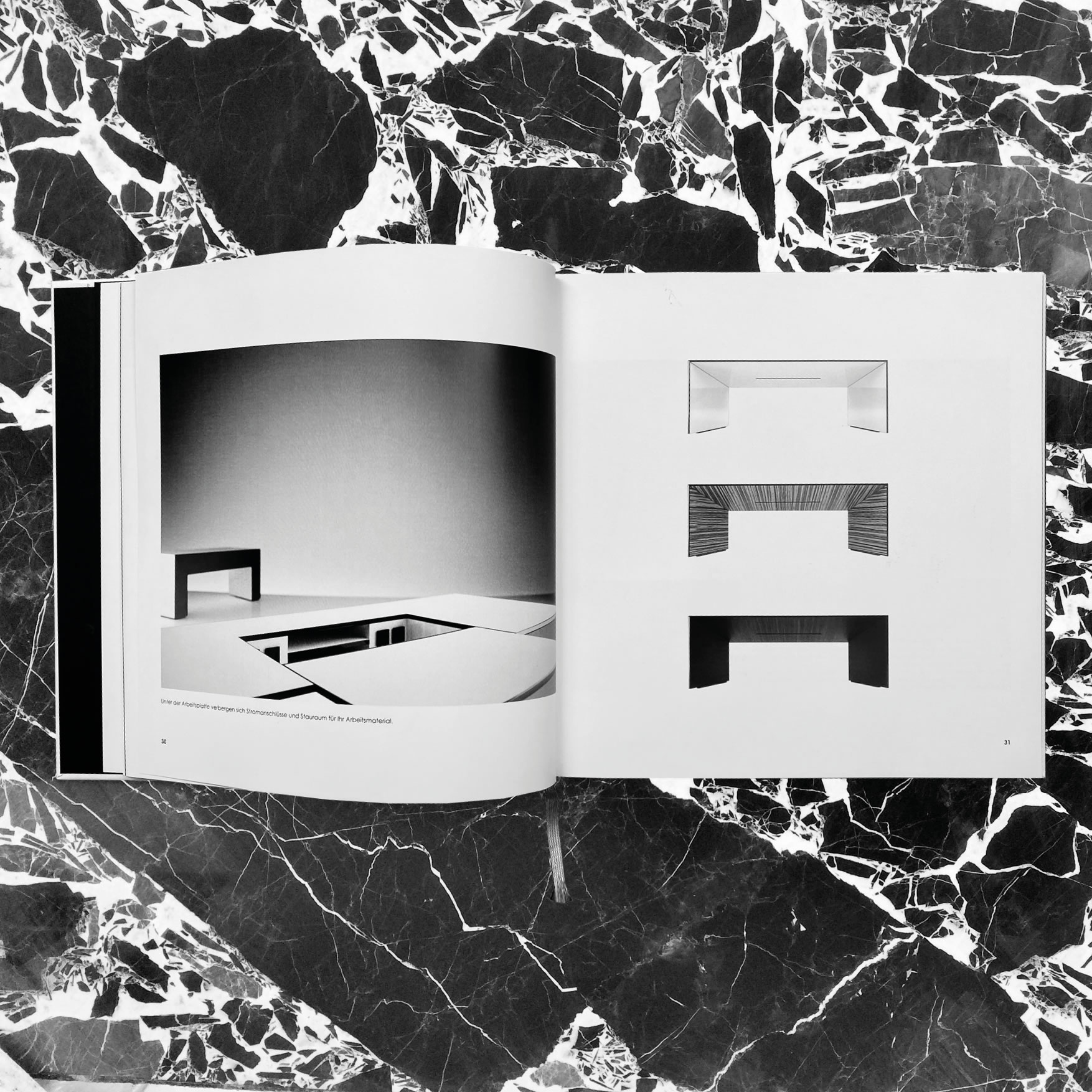
The design follows a reduced architectural attitude. Clear geometries, precise materiality, and flexible usage possibilities form the foundation of the spatial concept. Functions and presentation areas are not added as visible layers, but integrated into a calm spatial structure.
The museum store was not intended to create a decorated retail environment, but a place where products, materials, and content can be perceived in a focused way. The reduction does not serve formal strictness alone, but instead creates atmosphere, orientation, and calmness.
The work thus connects to central questions already raised by the historic Bauhaus: How do spaces emerge from function and use? What responsibility does design carry toward everyday life? And how can permanence be achieved through material, construction, and clarity?
The furniture and spatial elements are therefore not understood as autonomous design objects, but as part of a larger architectural context. Architecture is understood as a background for perception and use — not as a permanent visual assertion.
The opening of the Bauhaus Museum Weimar also marked a cultural moment of international attention. Representatives from politics, culture, and architecture attended the opening and underlined the continuing relevance of Bauhaus ideas for contemporary questions of design and social responsibility.
The project thus exemplifies an attitude that does not separate architecture, interior design, and functional art, but understands them as different measures of the same spatial responsibility.