AI and Bauhaus
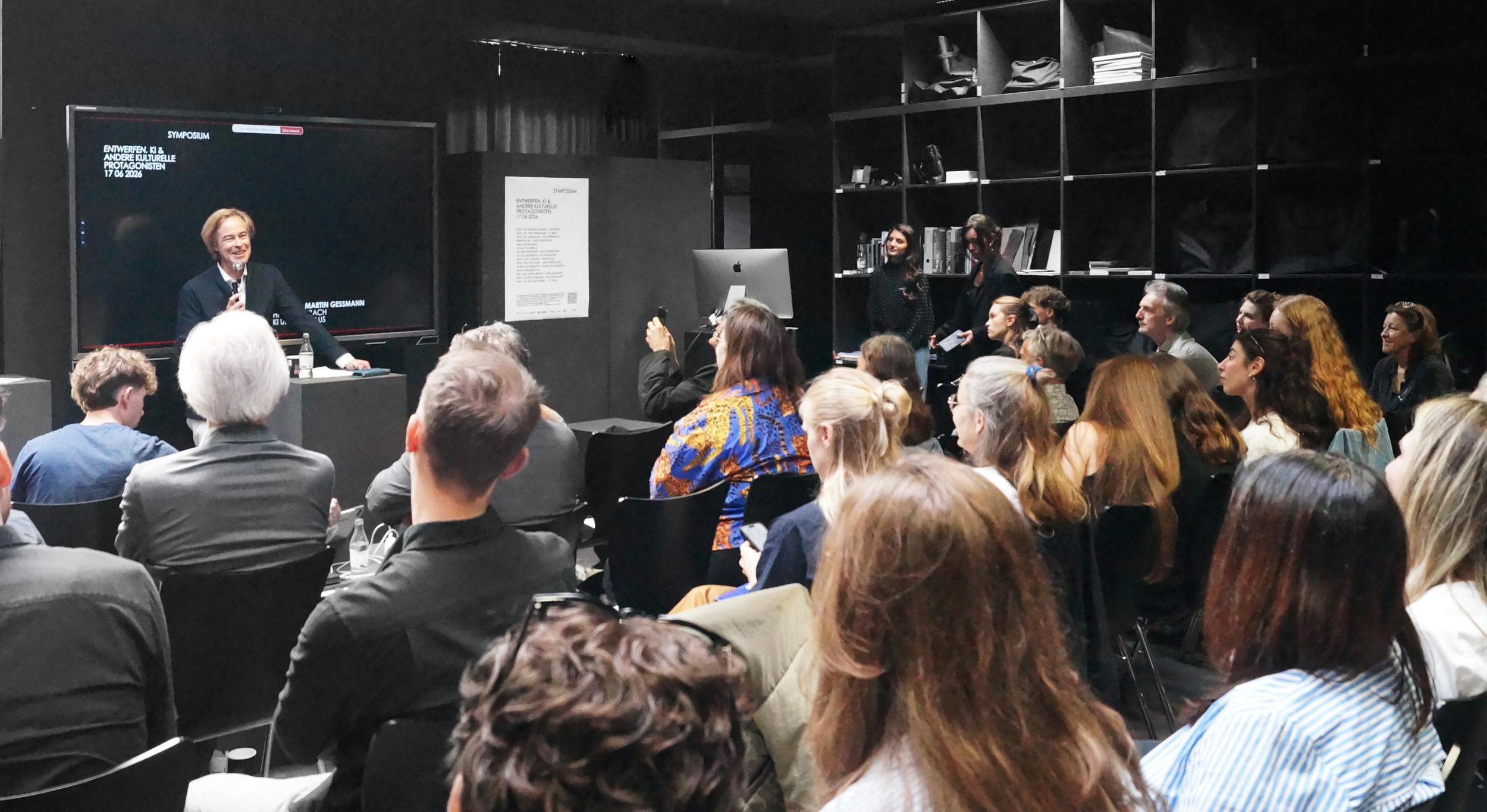
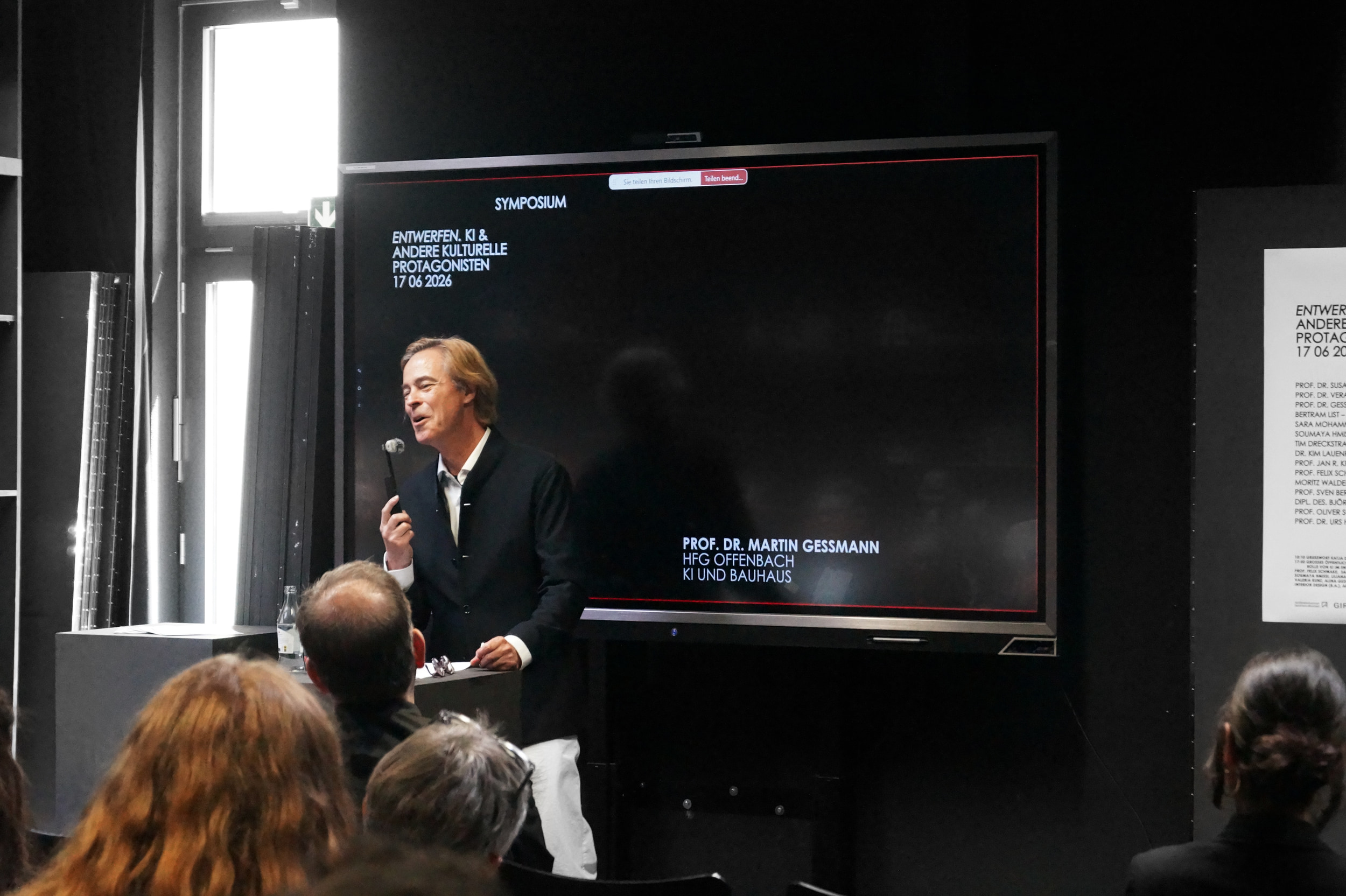
Prof. Dr. Martin Gessmann (HfG Offenbach)
Original language: German. The English version was translated using AI.
Prof. Dr. Martin Gessmann
HfG Offenbach
17 June 2026 · 11:30
Symposium “Designing. AI and other cultural protagonists.” · AMD Düsseldorf.
This contribution understands AI not merely as a new design tool, but as a renewed articulation of a programme of modern design already implicit in the Bauhaus: conceiving space in terms of parameters such as number, movement, measure, material and perception. Gropius’s Bauhaus shifted design away from the finished object towards an open design process in which conceptual thought and material feasibility are systematically interwoven. Parametric design, AI generation and 3D printing build precisely on this: they once again make material, technology and execution negotiable elements of form-finding. Designing thus returns to the centre—not solely as a feat of craftsmanship, but as a process of thinking through a space of possibilities in conceptual, technical and material terms. AI thereby becomes a stress test for modern design: it determines whether the liberation of design through technology leads to a renewed capacity for judgment and genuine creative freedom—as the Bauhaus fundamentally intended—or turns into the surrender of design responsibility to anonymous computational processes.
AI is not the end of design, but the return of its fundamental modern question: how can design be liberated through technology without surrendering responsibility, the capacity for judgment and quality to technology?
From the text Prof. Dr. Martin Gessmann prepared for the symposium. Translated from German.
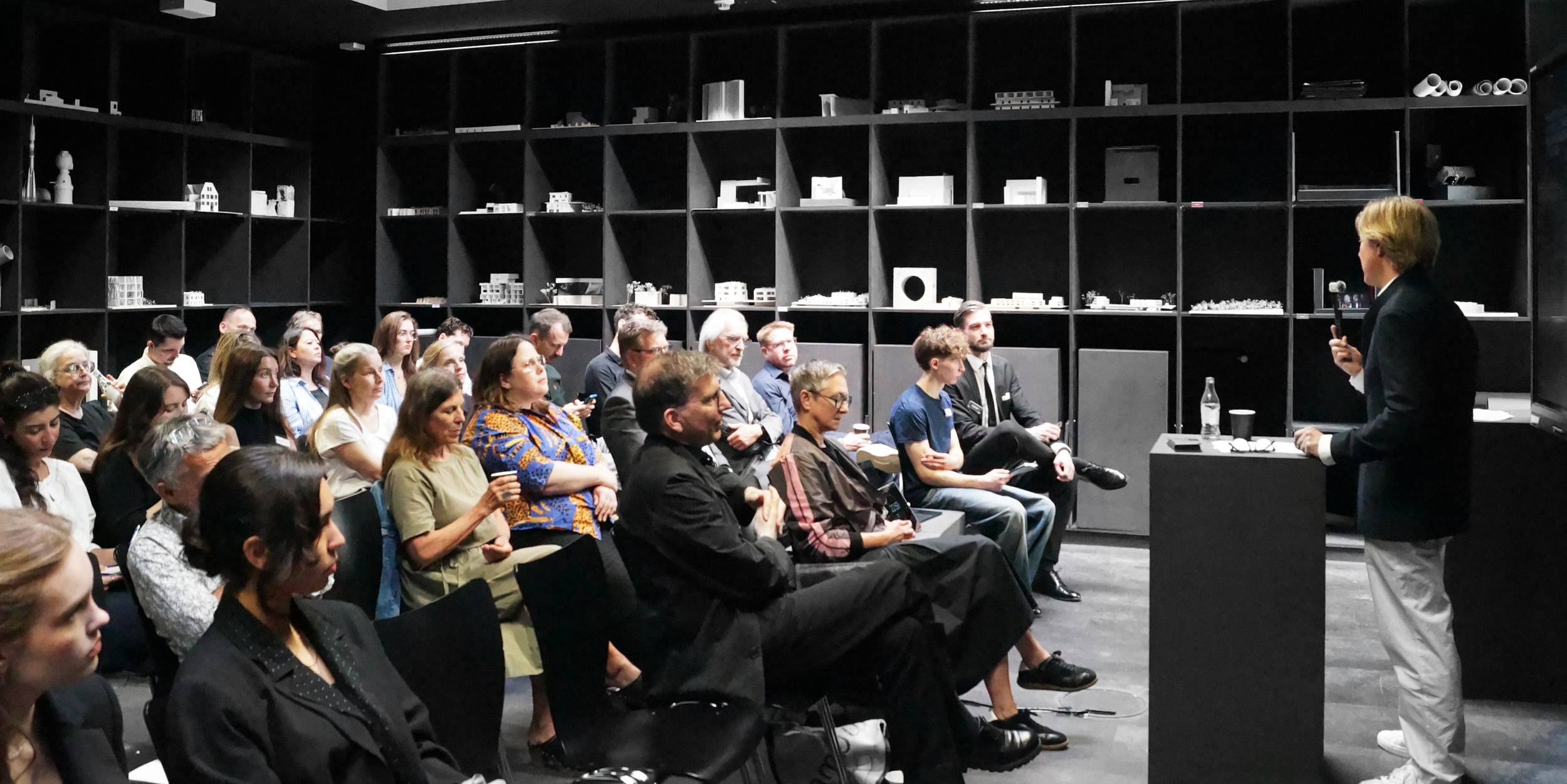
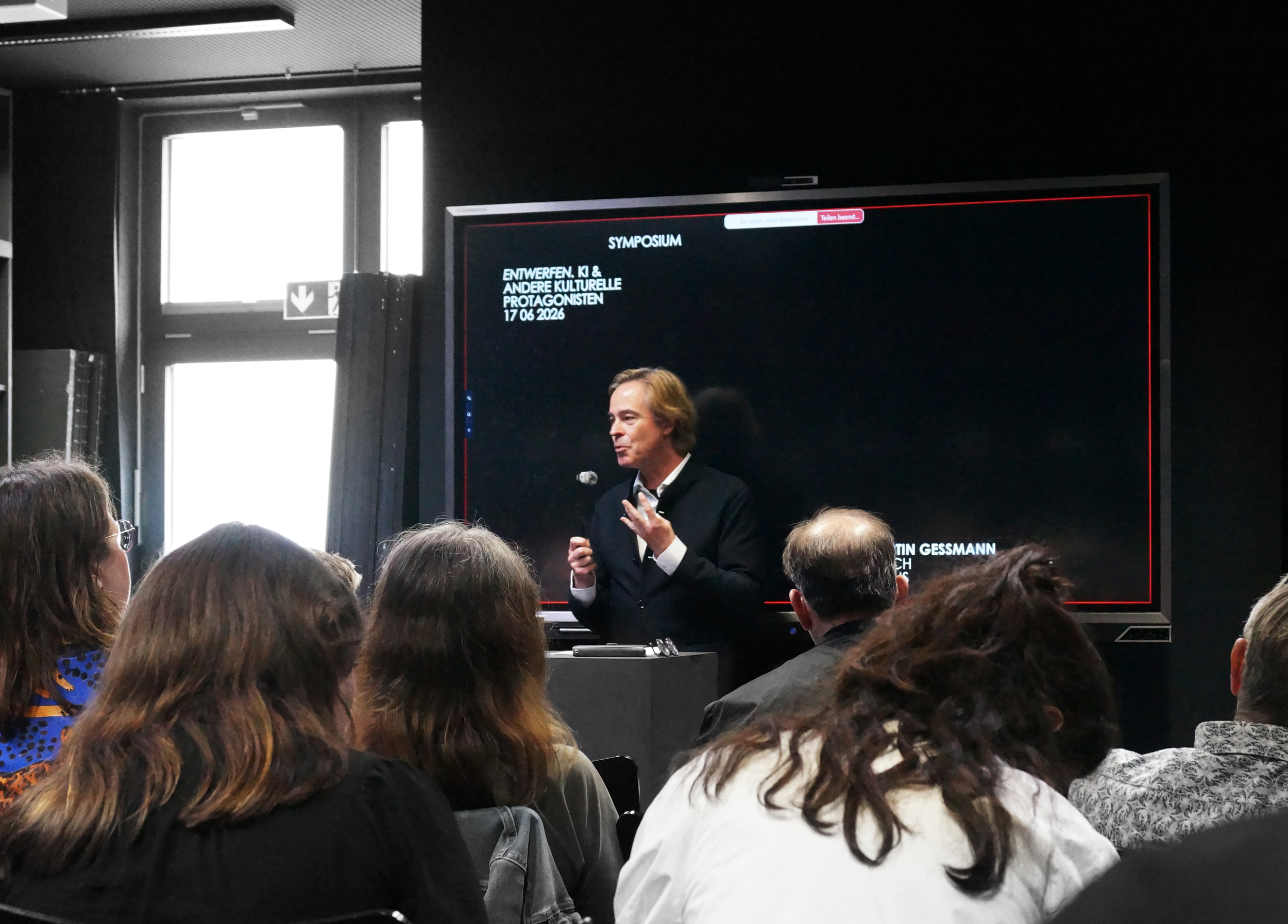
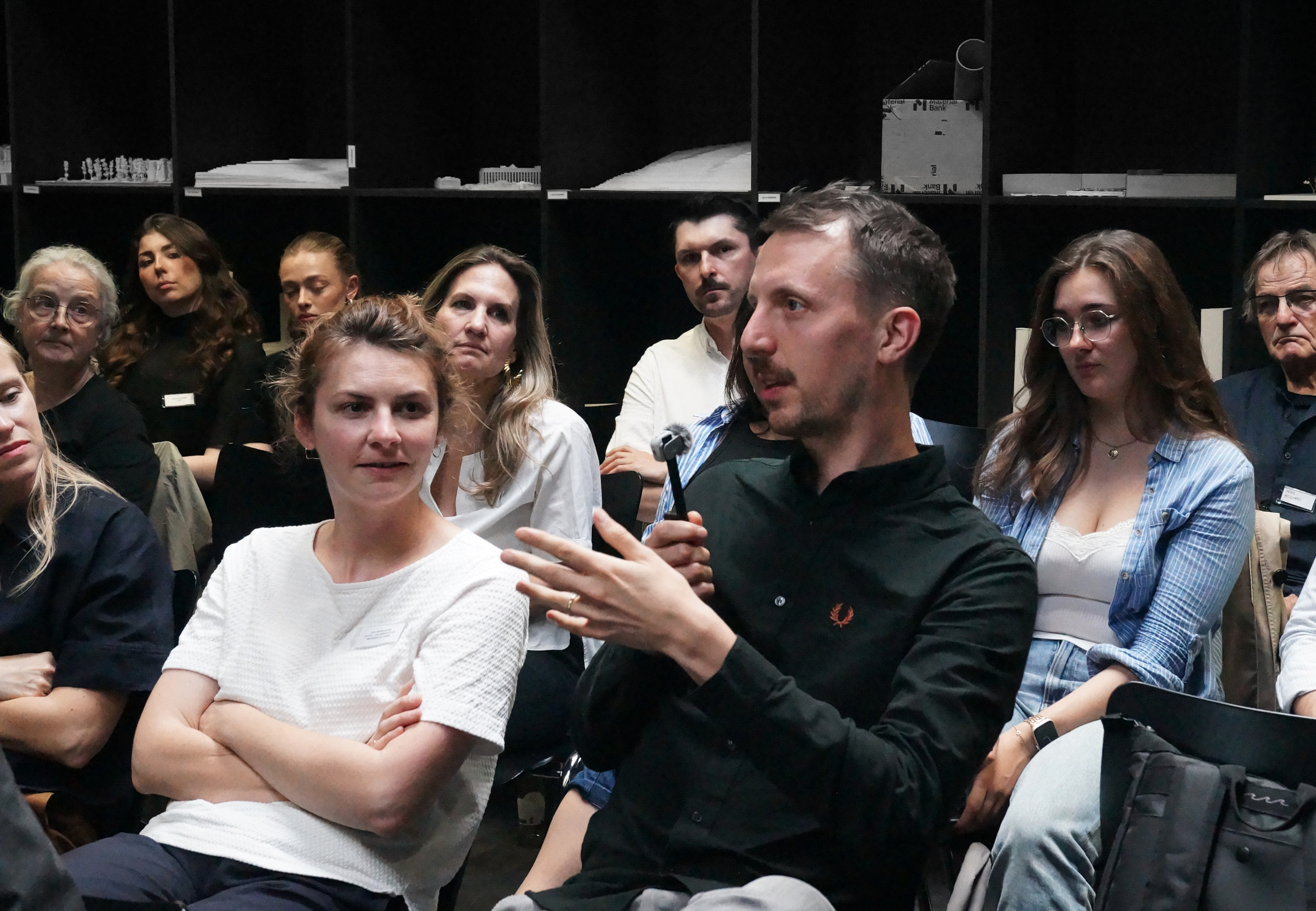
“Could you explain that once more” — with this request, Jan R. Krause asks from the audience about the renewed significance of architectural theory in relation to AI. He connects the question with discussions among his colleagues about developing architectural education. Mr Gessmann replies that theory becomes necessary when established concepts no longer provide sufficient orientation.
In this answer, theory helps to establish a perspective and a conceptual framework through which a changed situation can be described and addressed. Theory does not promise immediate reassurance. It first provides a means of shaping the changed situation. The question of AI consequently becomes a question about the conditions under which designing can continue to be understood and discussed.
Mr Gessmann then makes an important qualification: a new concept of designing has yet to take shape. It must be developed in dialogue with those practically involved in these changes. Theory and design practice thus share a task: to articulate the current process and examine inherited ideas of individual creation. His reply sets out work for the discipline and leaves the definition open to further investigation.
Selected questions and responses from Discussion I – Theory and foundations at 12:00. Quotations translated from German.