Judgment, embodied experience and responsibility
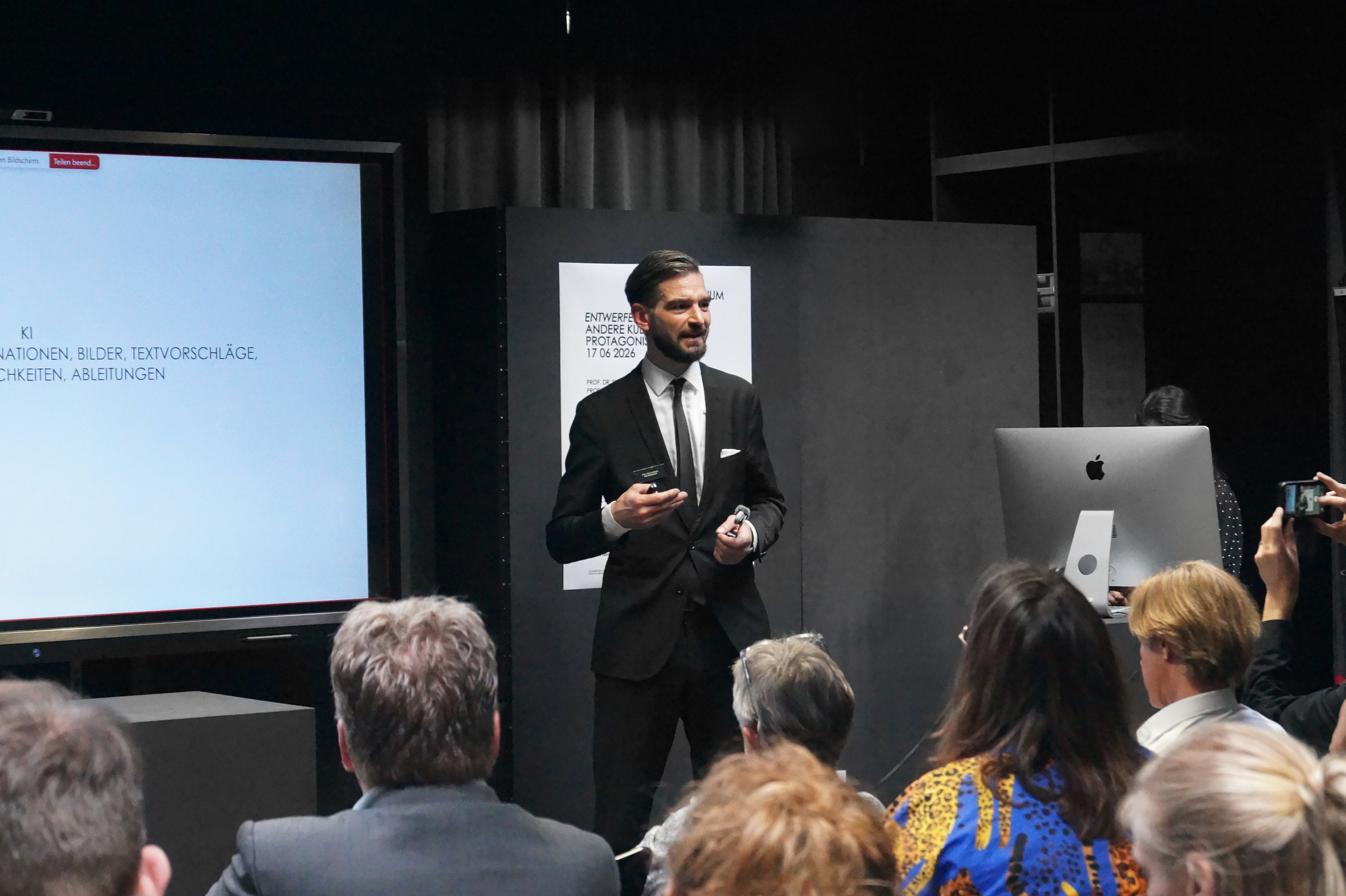
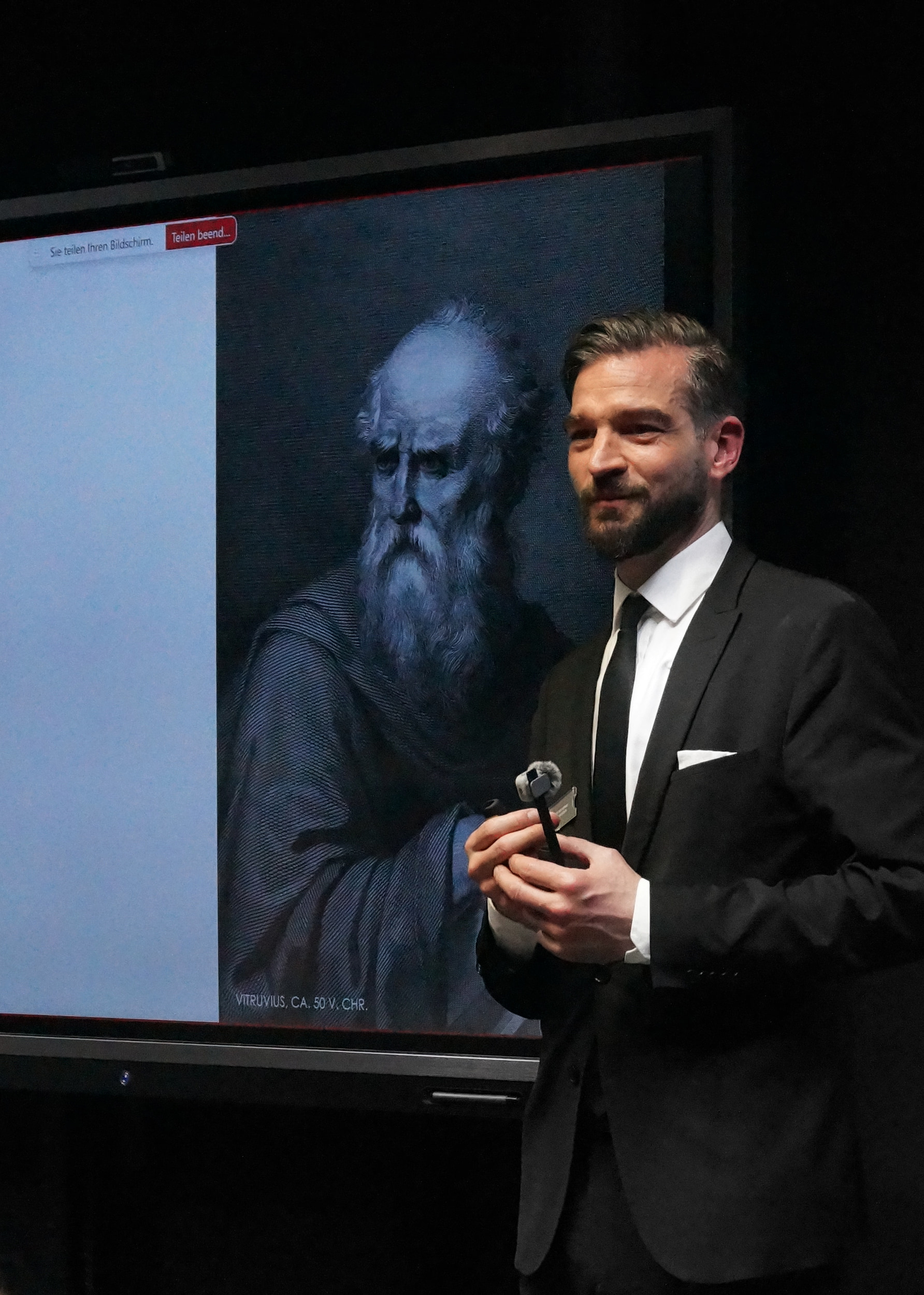
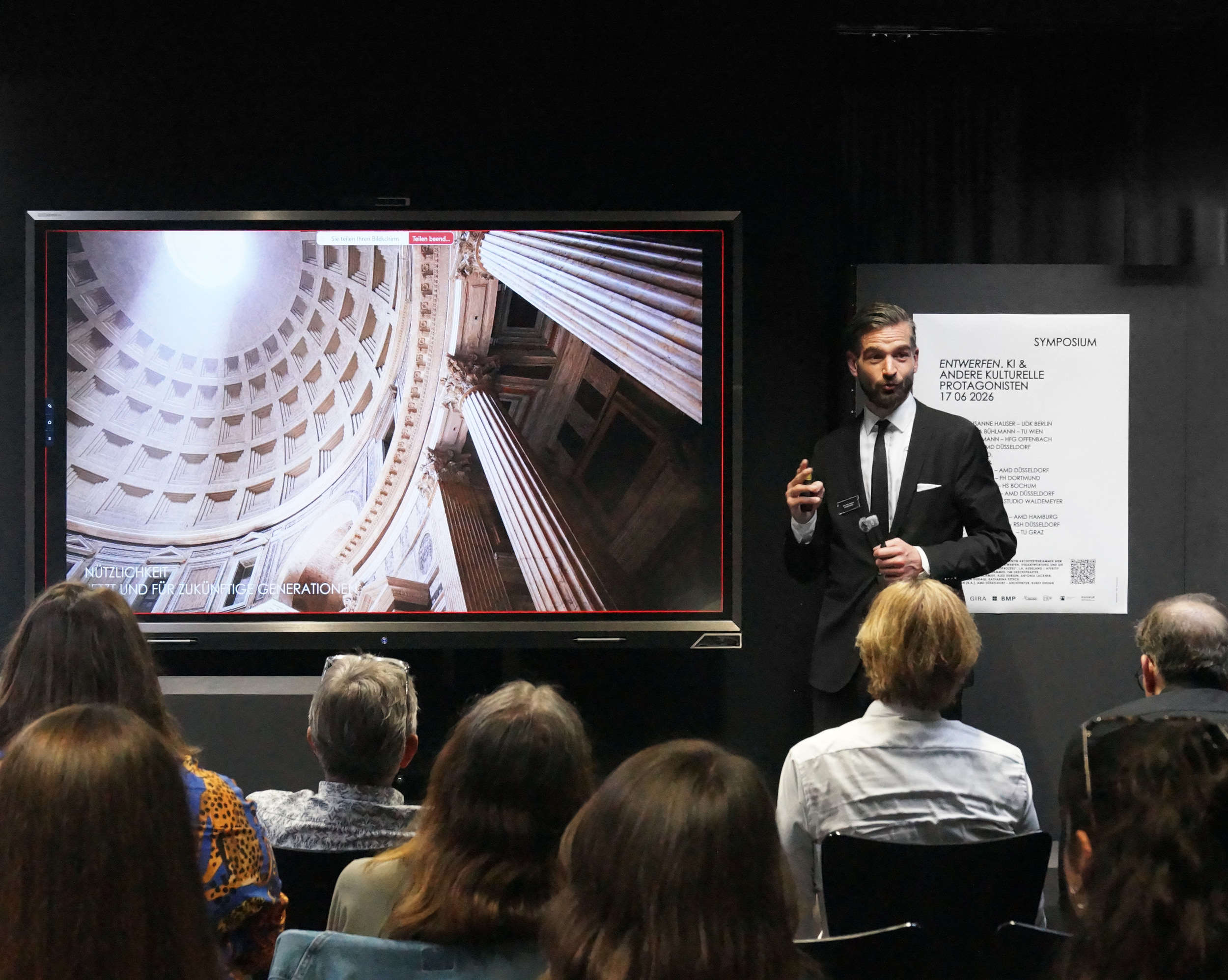
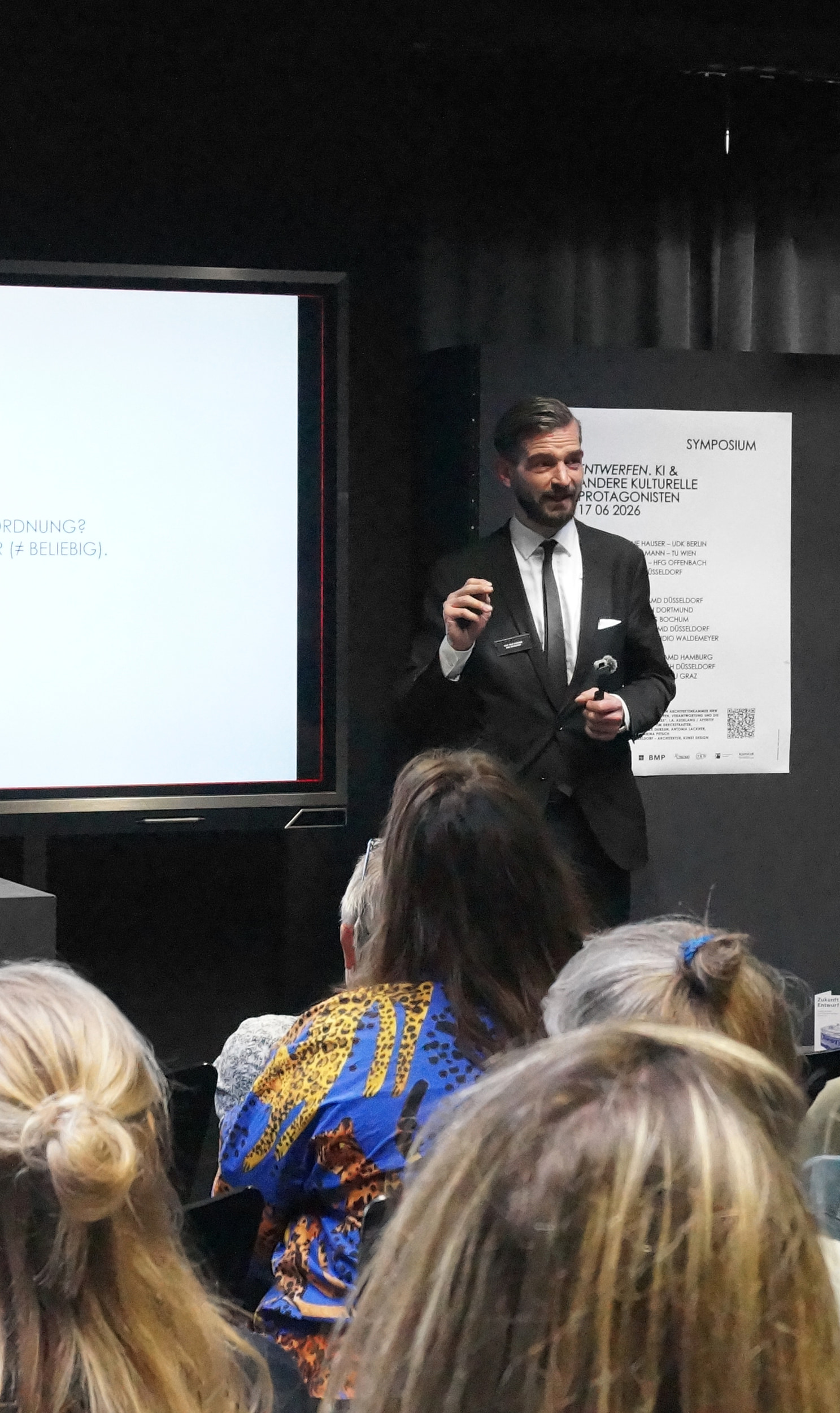
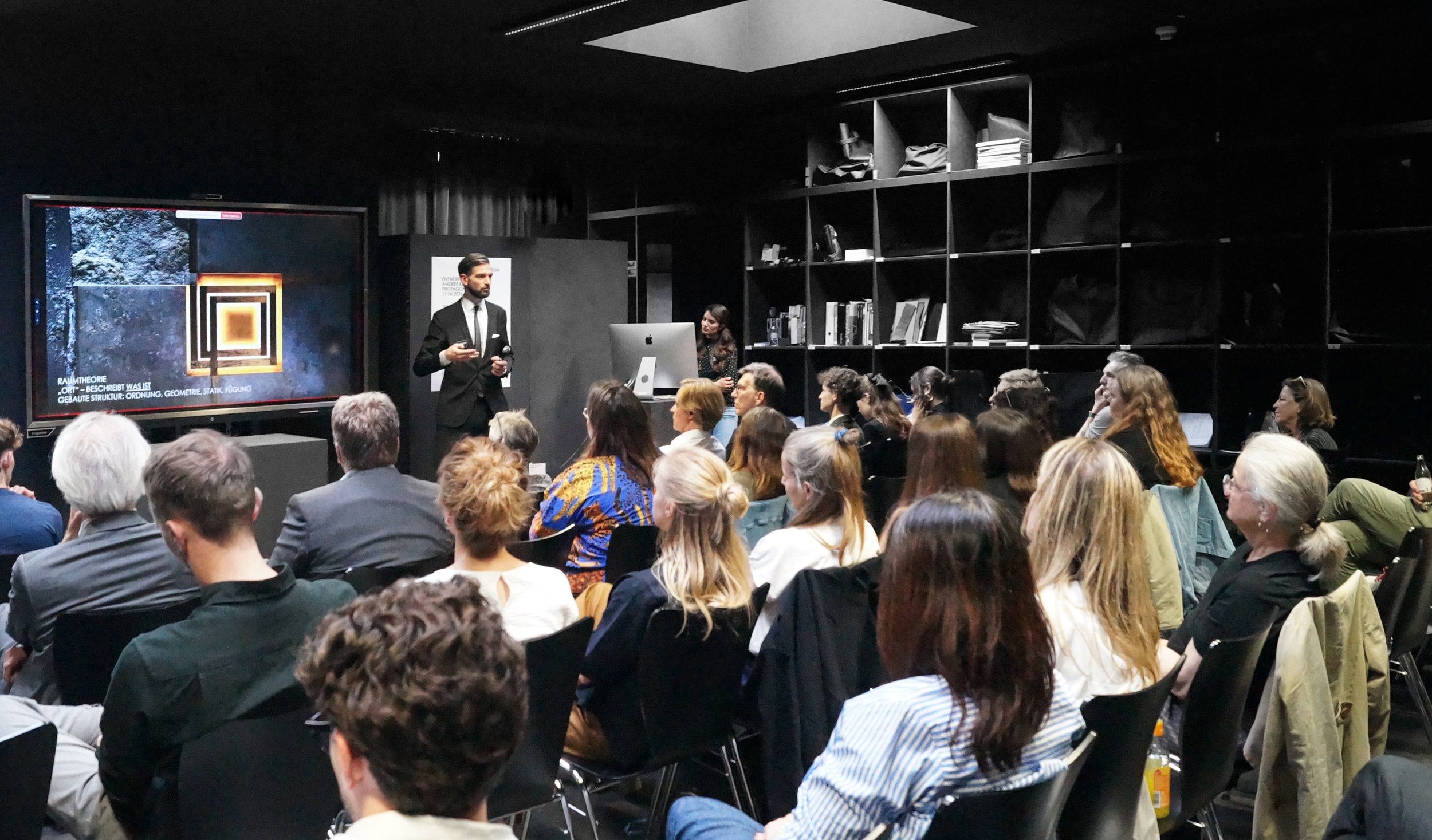
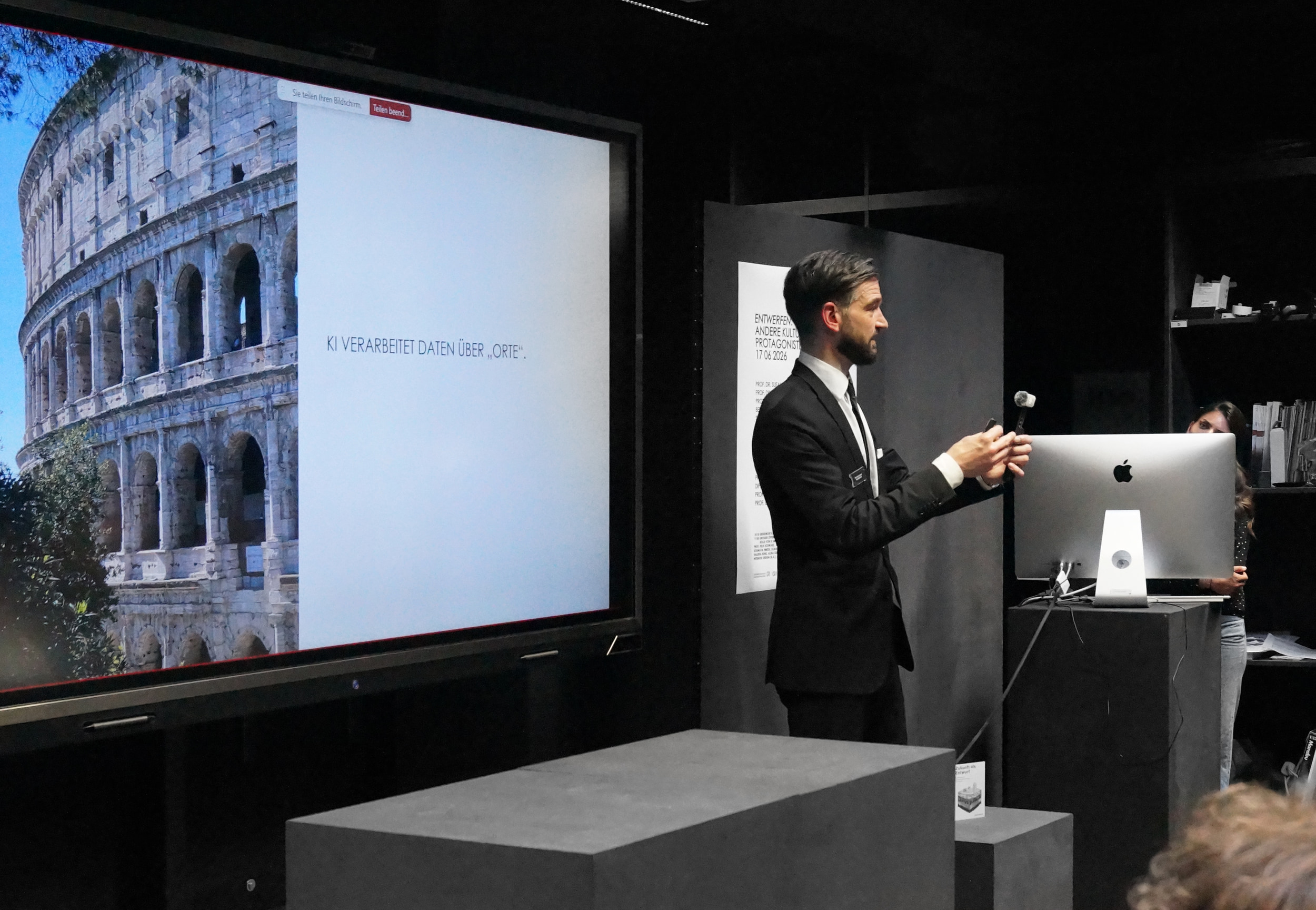
Prof. Dipl.-Ing. Felix Schwake (AMD Düsseldorf)
Original language: German. The English version was translated using AI.
Prof. Dipl.-Ing. Felix Schwake
AMD Düsseldorf
17 June 2026 · 15:05
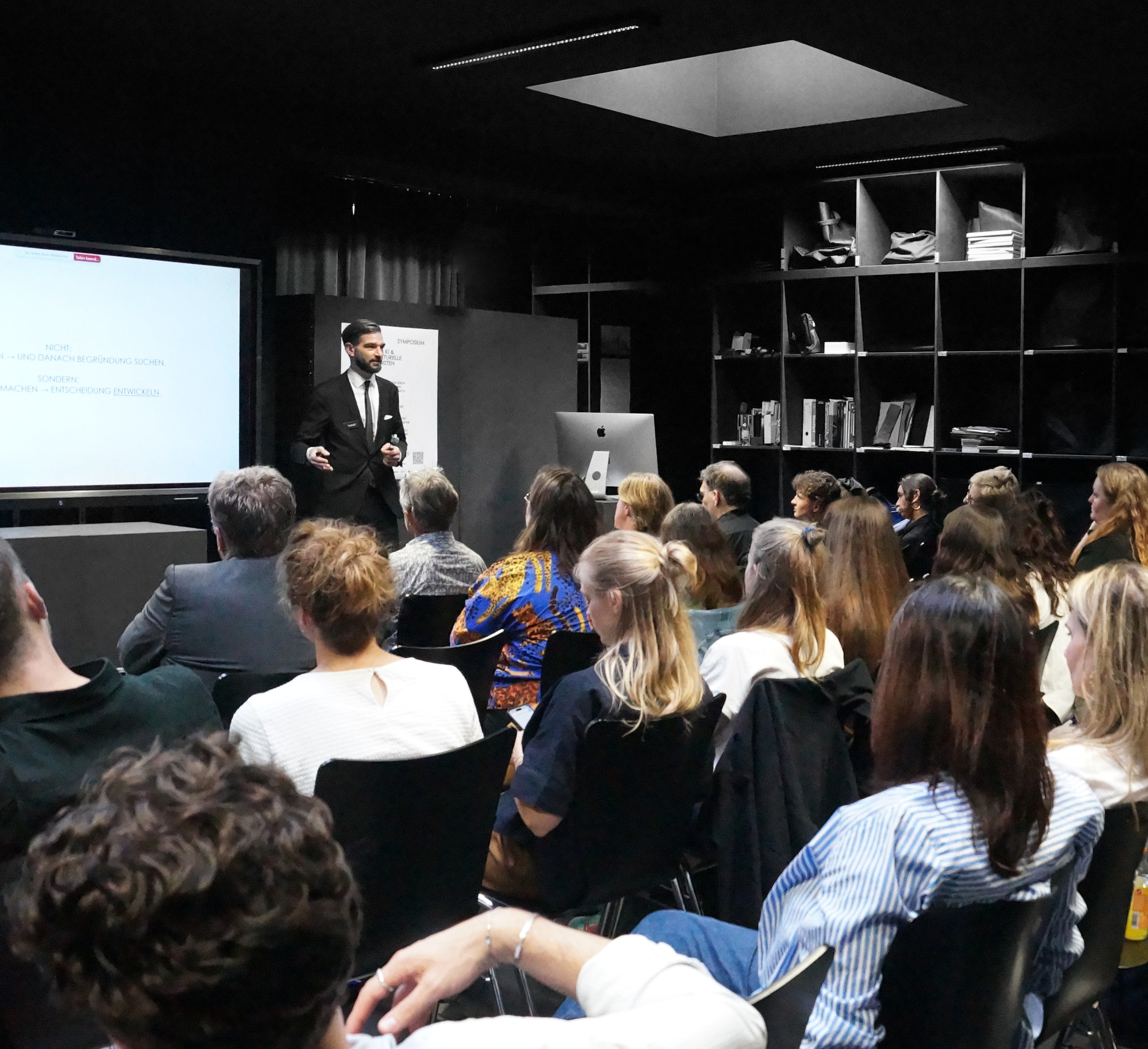
Symposium “Designing. AI and other cultural protagonists.” · AMD Düsseldorf.
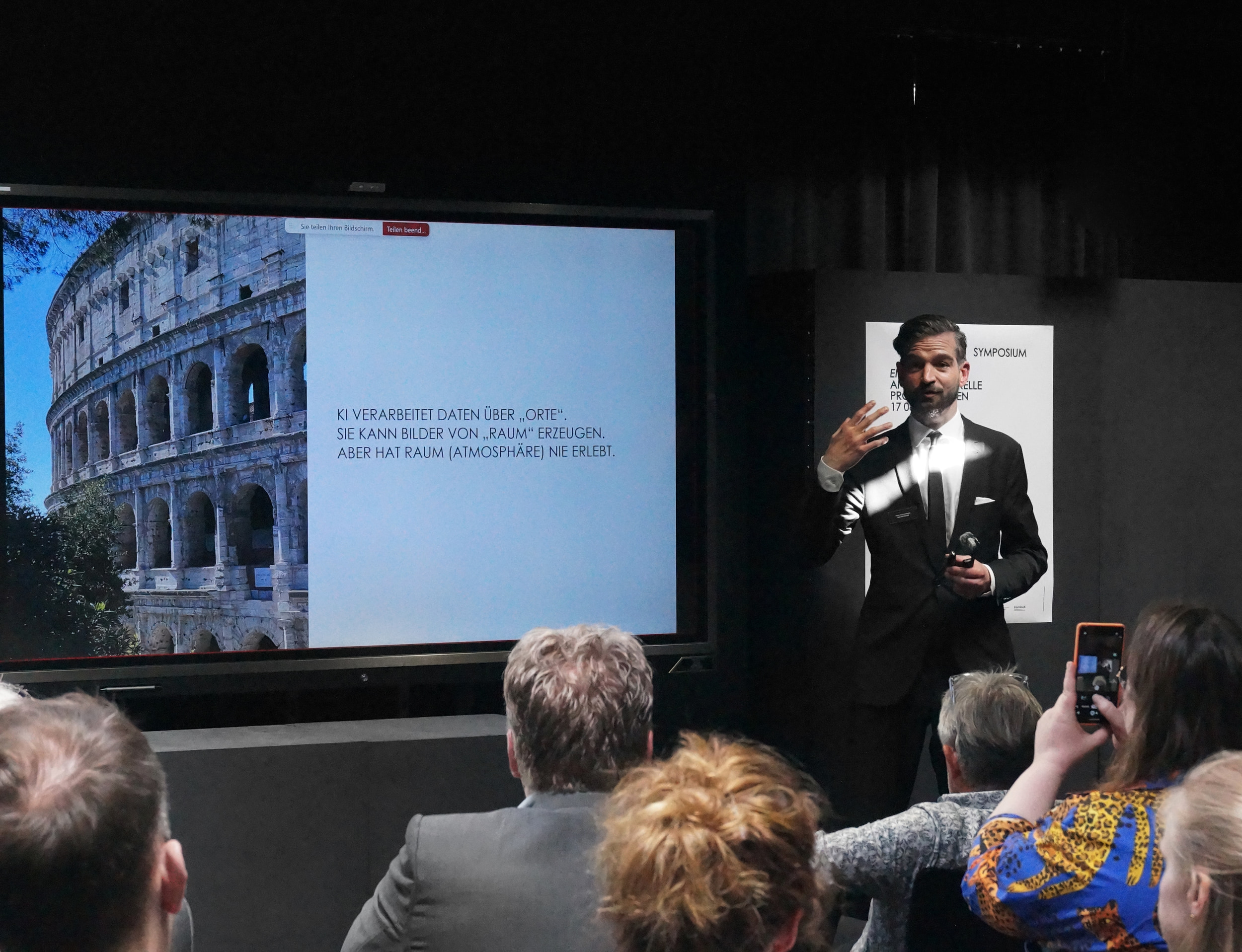
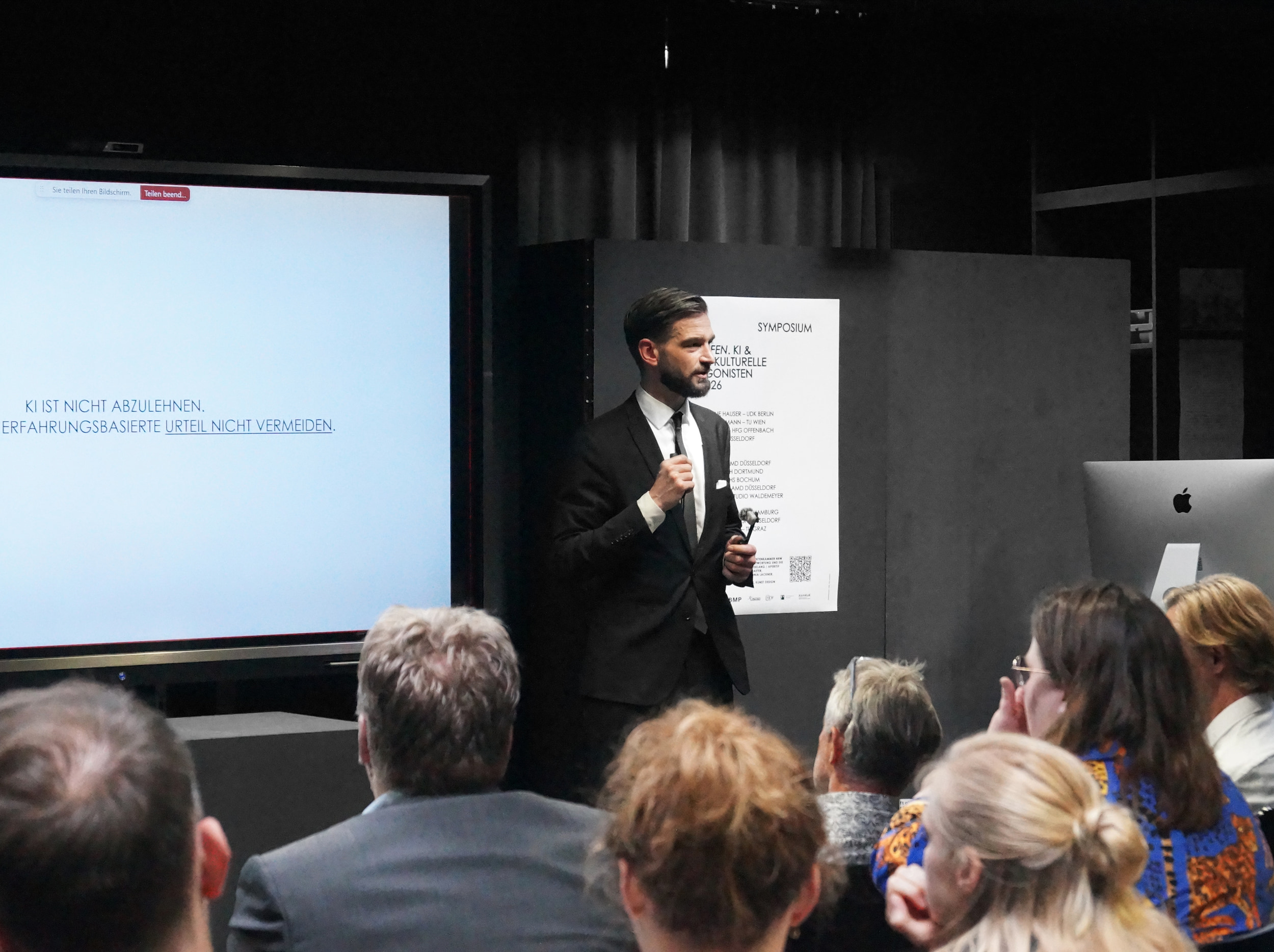
Artificial intelligence changes the tools of designing, but not its fundamental problem. Designing remains a process of making decisions that can be justified.
AI can generate options, calculate variants and produce images—but it assumes neither the capacity for judgment nor responsibility.
The decisive question is therefore not whether AI can design, but:
Where does the capacity for judgment arise in design—and who bears responsibility for the decision?
Designing is grounded in embodied experience, perception and the ability to translate these into reasoned design decisions.
If this connection is lost and design is reduced to image production, effects arise without judgment—and thus architecture without responsibility.
From the text Prof. Dipl.-Ing. Felix Schwake prepared for the symposium. Translated from German.
The joint Discussion II asked: What happens when there is hardly any time between an idea and an image?
This guiding question addressed the round as a whole. The first disagreement concerned whether the traditional progression from a rough design to a finished image should remain obligatory. An alternative position proposed a methodological combination of analogue and digital practices.
Mr Schwake’s objection concerned the formation of independent judgement. Selecting a convincing result is insufficient if the designer cannot recognise technical errors or explain a decision. A construction drawing provided a concrete distinction between an apparently plausible image and an understood construction principle. An explicit objection to Mr Schwake then called for drawing and AI to be taught in parallel.
Another contribution distinguished a competence from the assessment format used to demonstrate it. The controversy therefore went beyond permission to use a tool: when does the tool support learning, and when does it replace essential learning activities? The discussion revealed different views on how design should be learned.
Selected questions and contributions from Discussion II – Design and teaching at 15:30. Quotations translated from German.