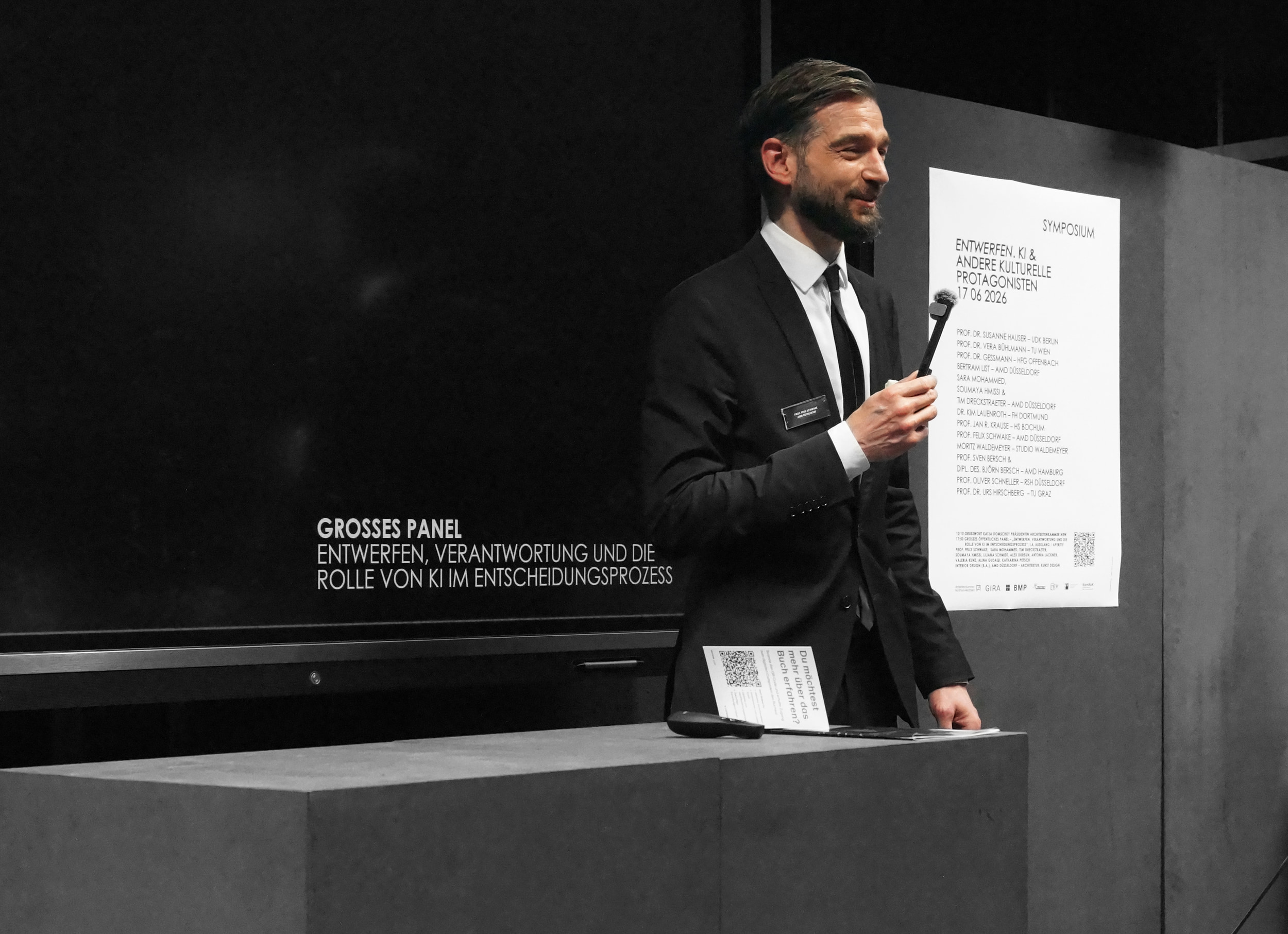
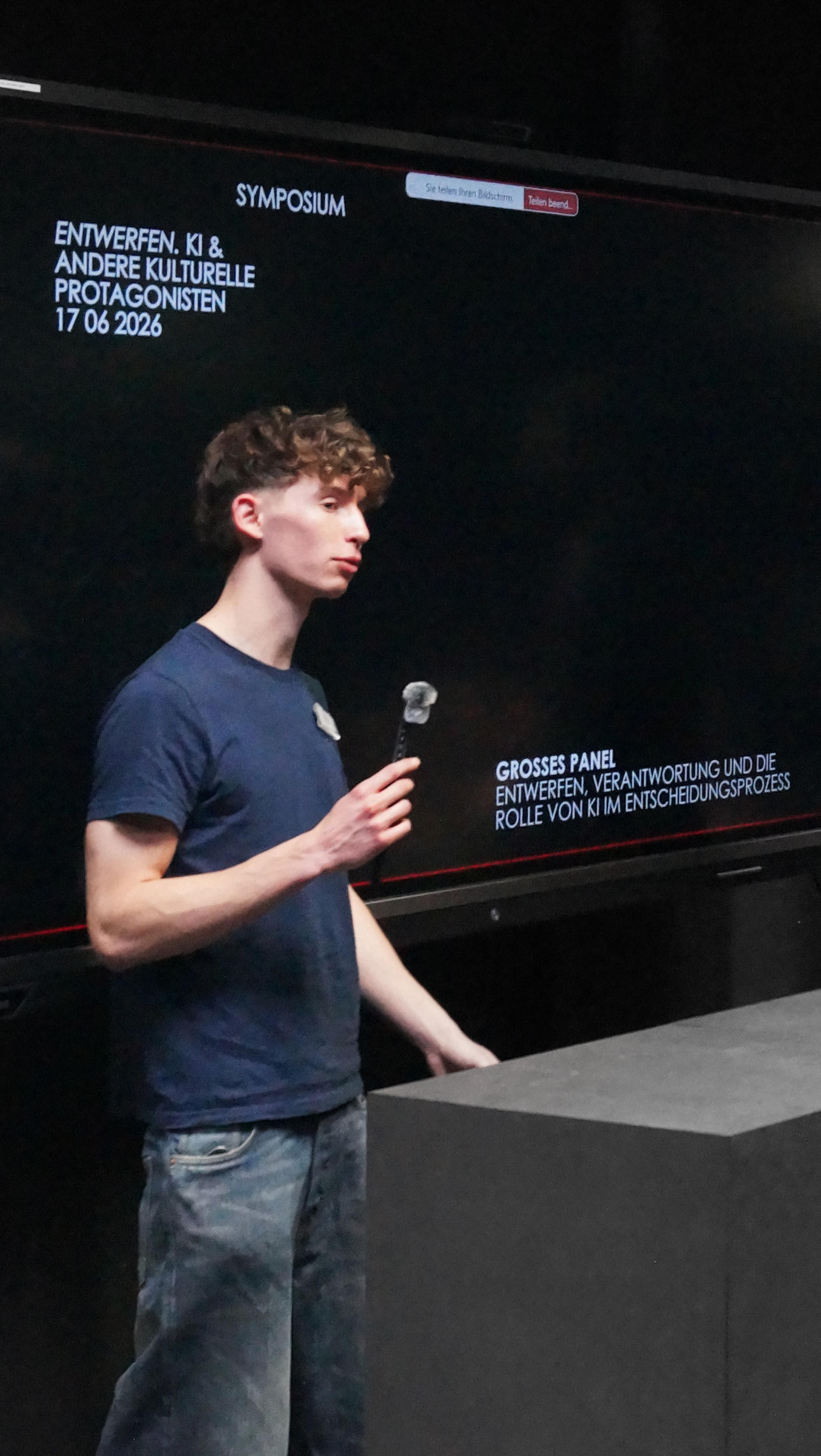
Designing, responsibility and the role of AI in decision-making
Main panel (AMD Düsseldorf)
Original language: German. The English version was translated using AI.
Main panel
Symposium
17 June 2026 · 17:50
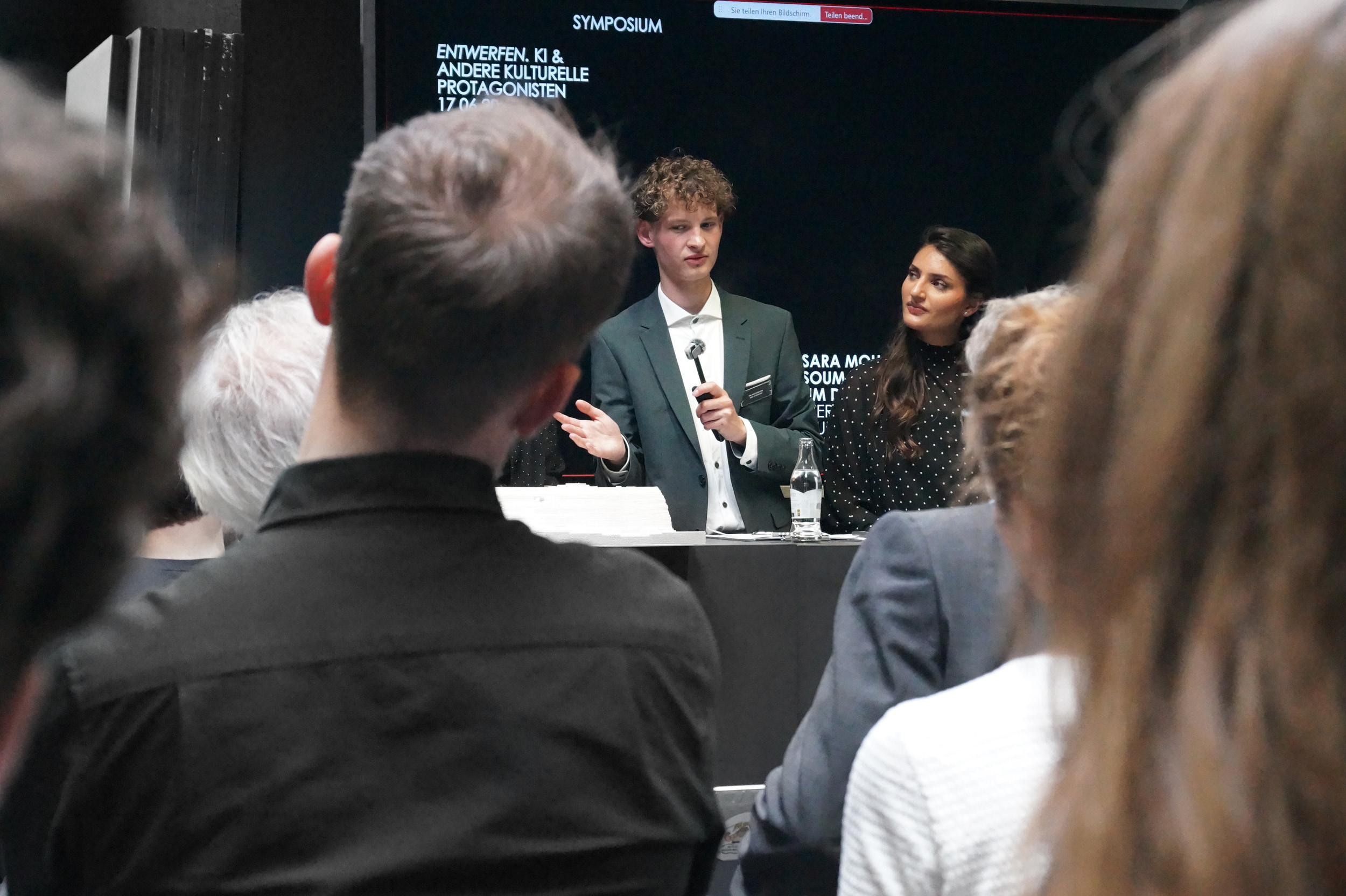
Symposium “Designing. AI and other cultural protagonists.” · AMD Düsseldorf.
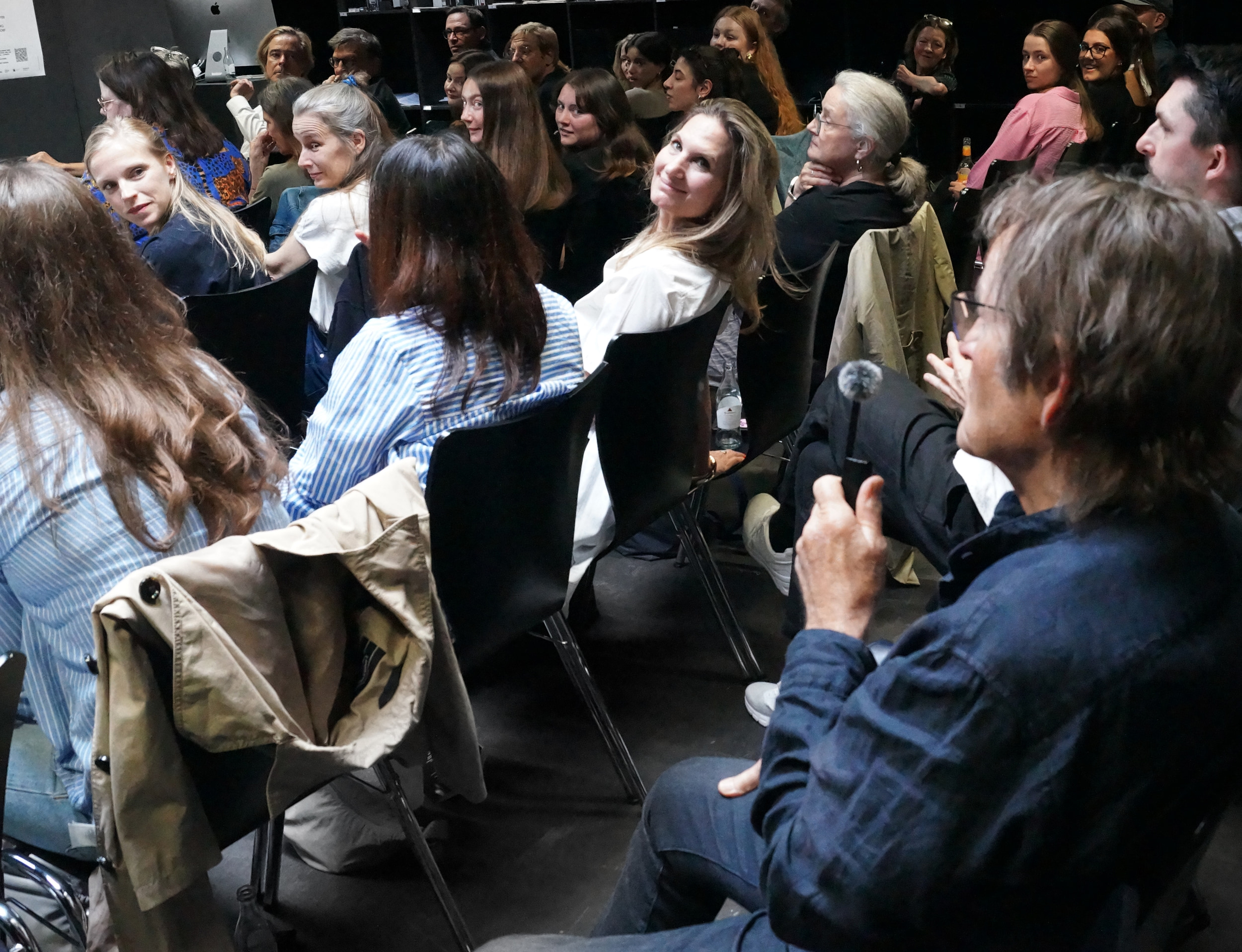
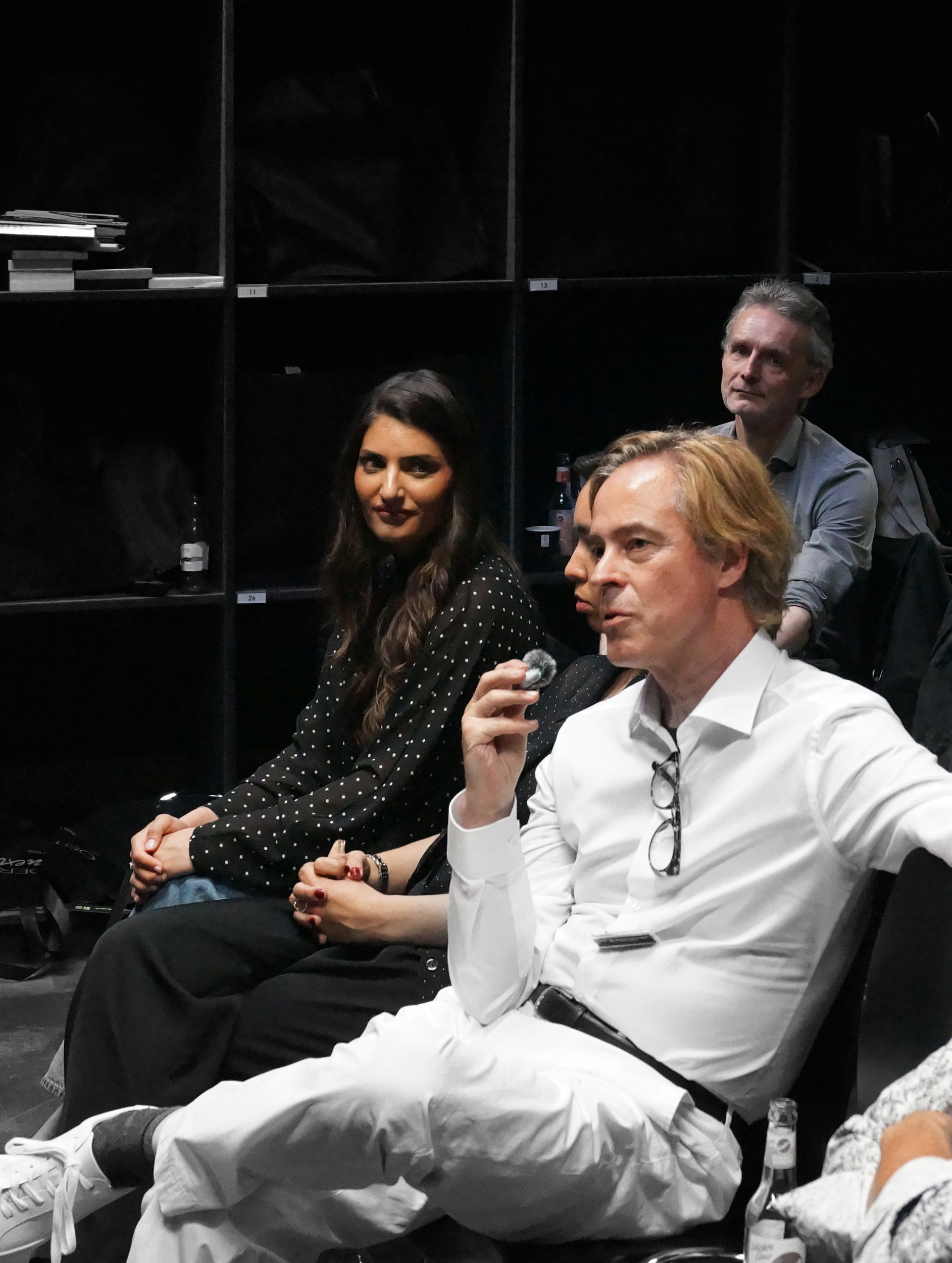
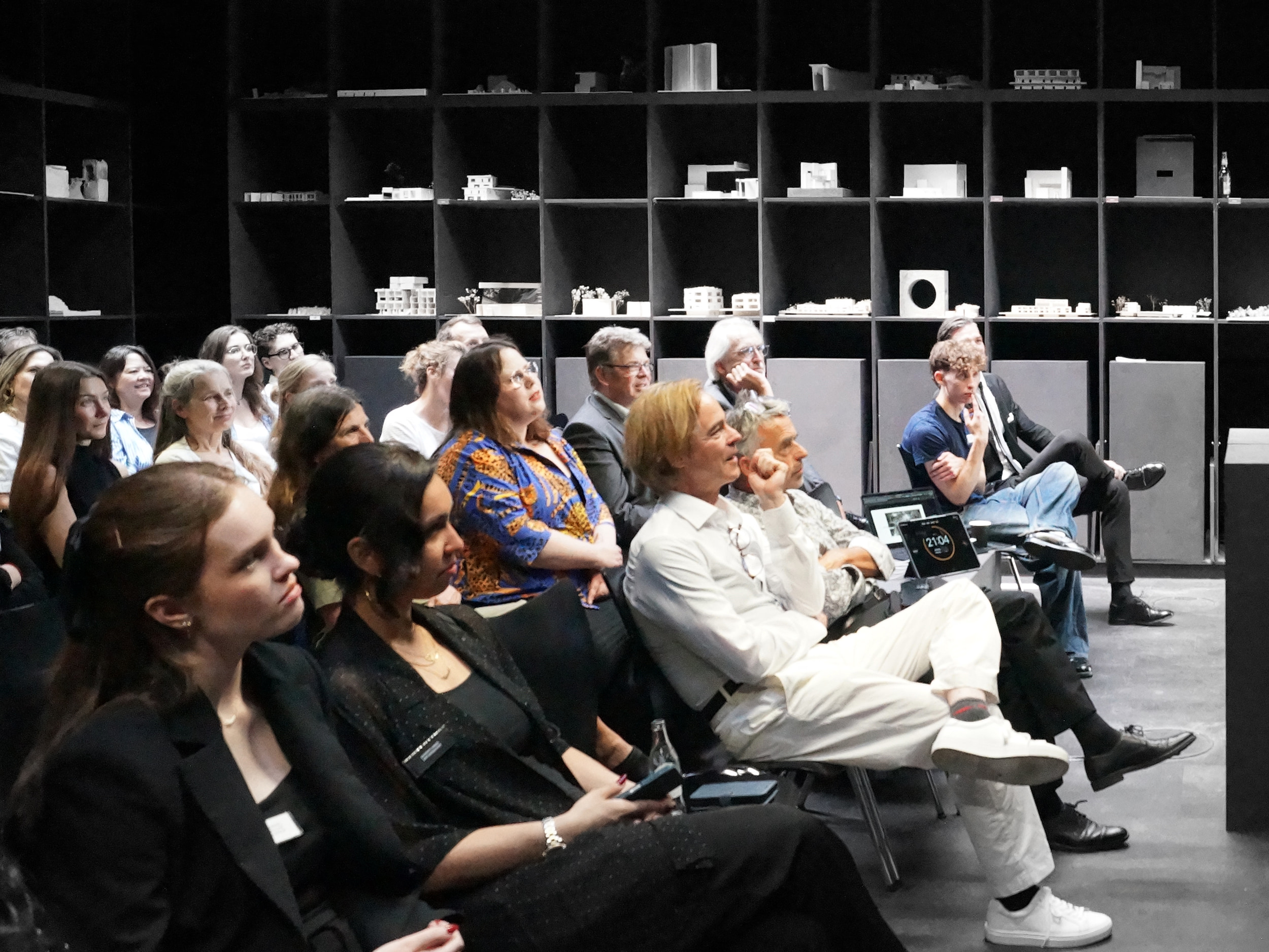
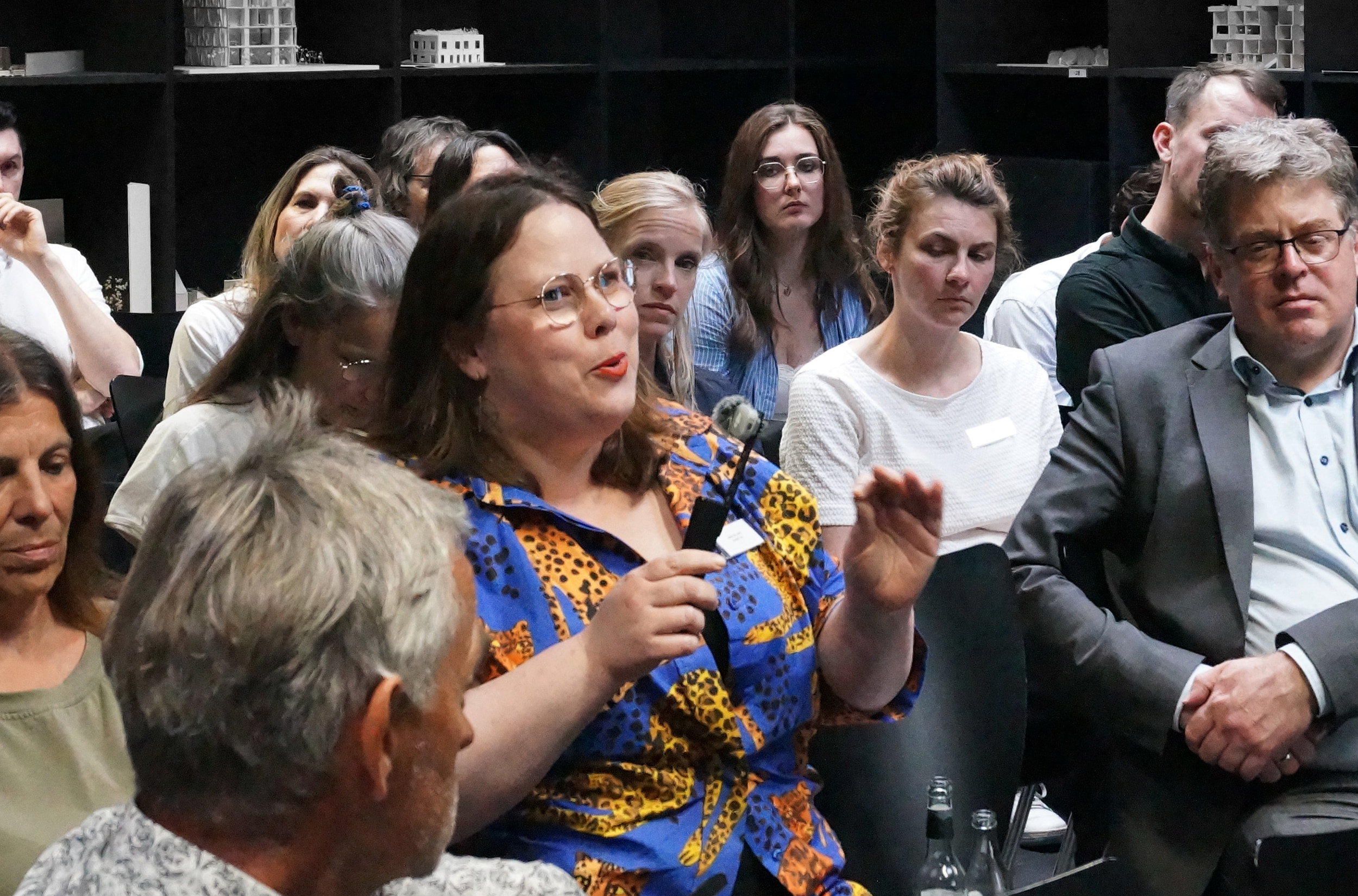
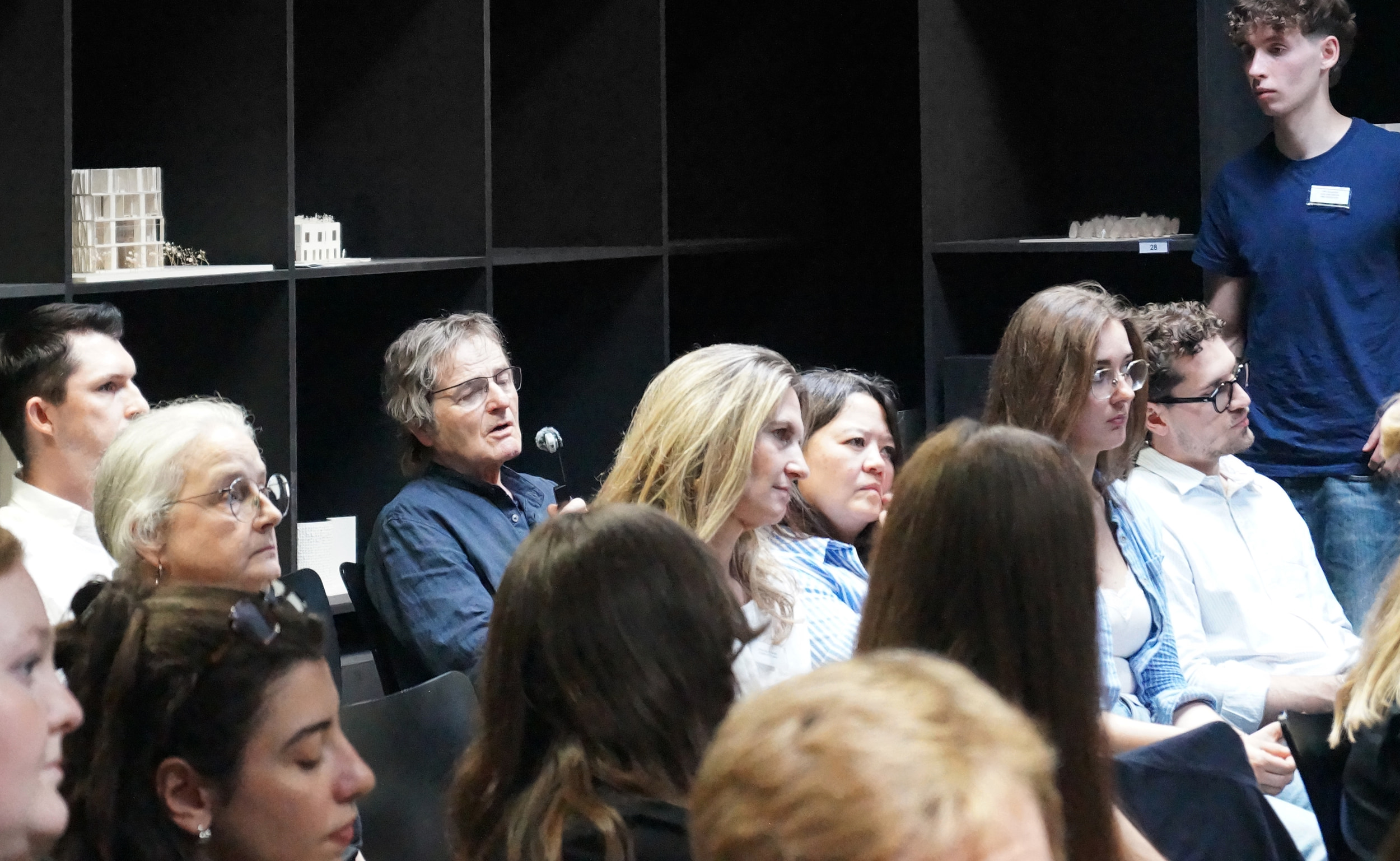
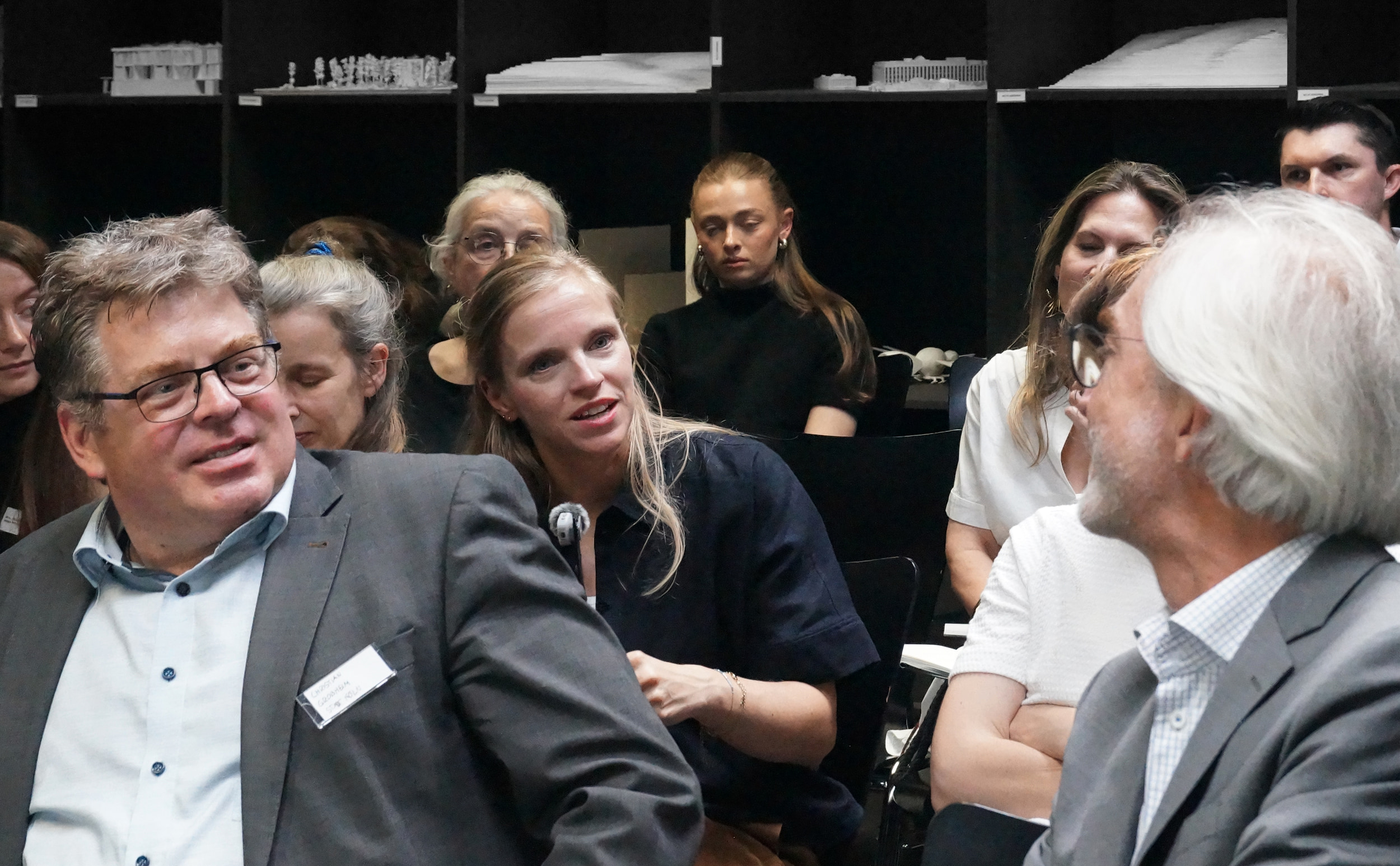
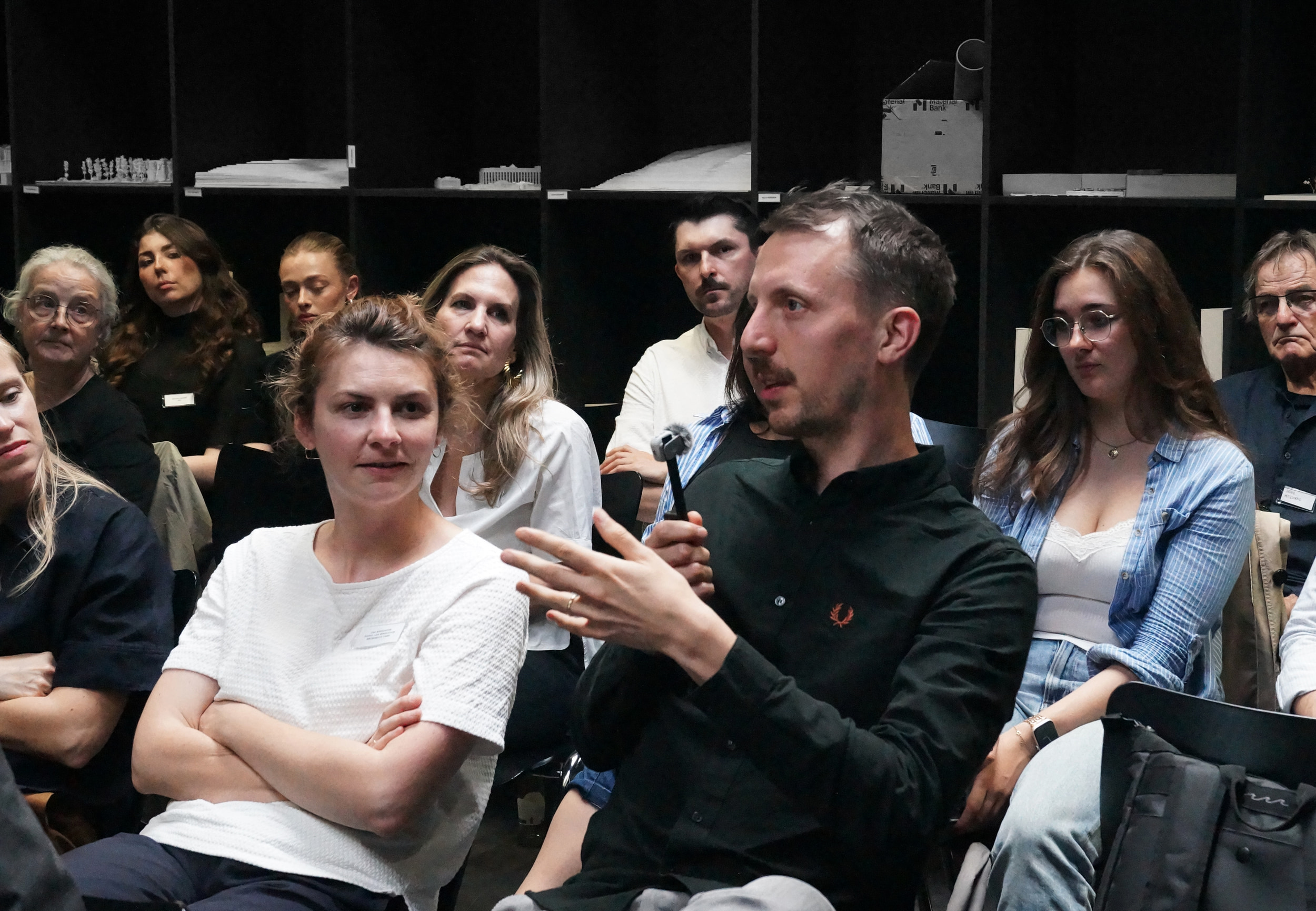
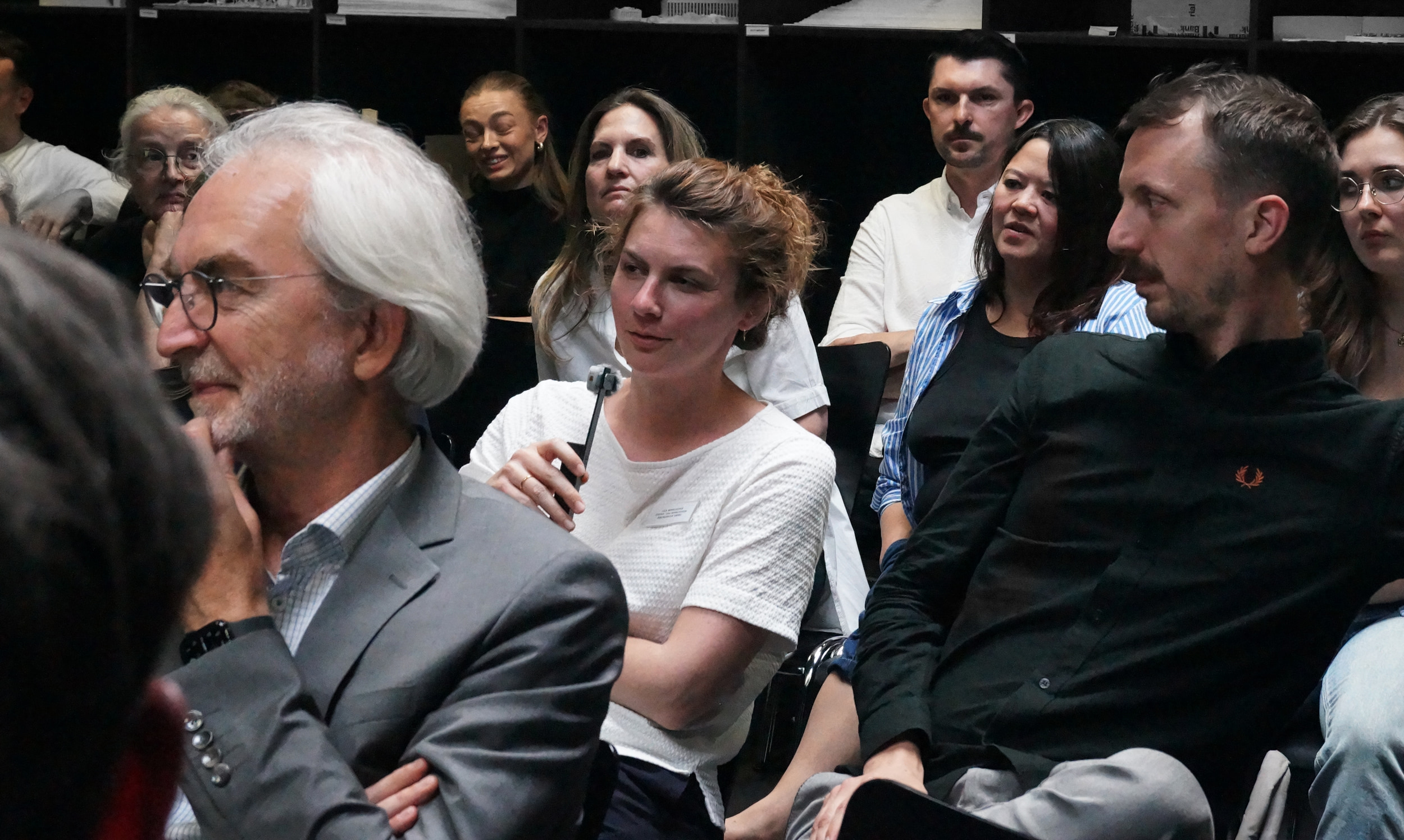
Had the symposium changed how people viewed AI? This question opened the main panel’s shared reflection at 17:50. Experiences from architecture, software development, music and education led to different assessments. Rather than a general declaration for or against AI, the discussion concerned the conditions of its use: which tasks become easier, which qualities come under pressure, and how can designers prepare for a transformation whose pace they can influence only to a limited extent?
An encouraging contribution focused on the younger generation and the possibilities that new tools open up for them. Alongside this stood concern that tasks and sources of income could actually disappear; the changes described in the music lecture provided a concrete point of reference. The promise of additional time for design was also questioned. Computers, too, were expected to make work easier, yet expectations of constant availability and the pace of work have increased. A technical saving of time therefore does not automatically create greater freedom. Whether time gained benefits the design process also depends on how work is organised and what is expected of it.
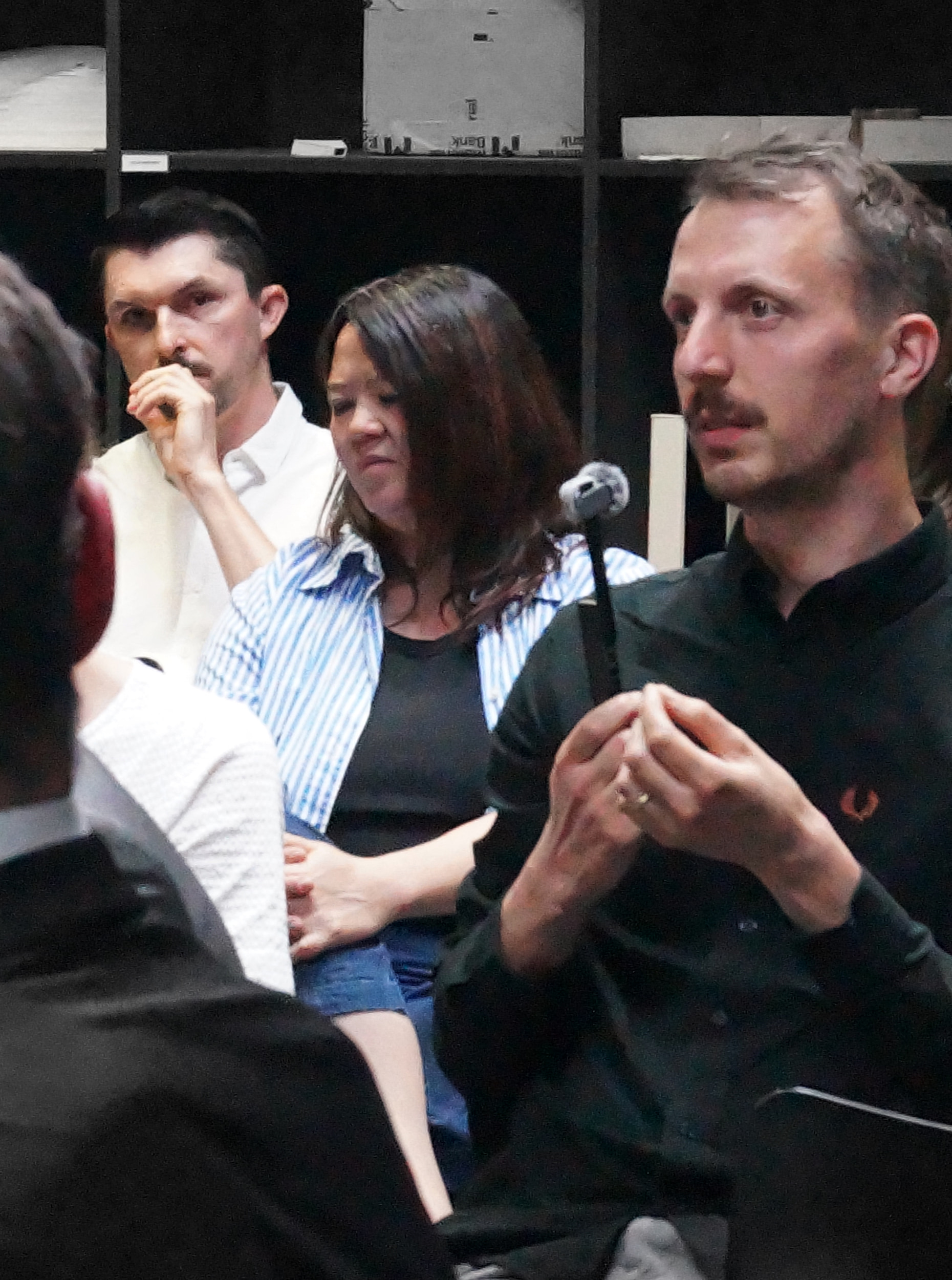
One contribution drew attention to the imprecision of the term: people speaking about AI refer to very different applications and experiences, depending on their field. Using a language model in everyday life does not mean that its potential for one’s profession has already been explored. The wish to keep up therefore raised a concrete educational question: how can young people acquire both established foundations and new ways of working? The question “How do we stay involved?” meant more than finding the next tool. It concerned the ability to act in professional life and the universities’ responsibility to offer orientation in a changing field of work.
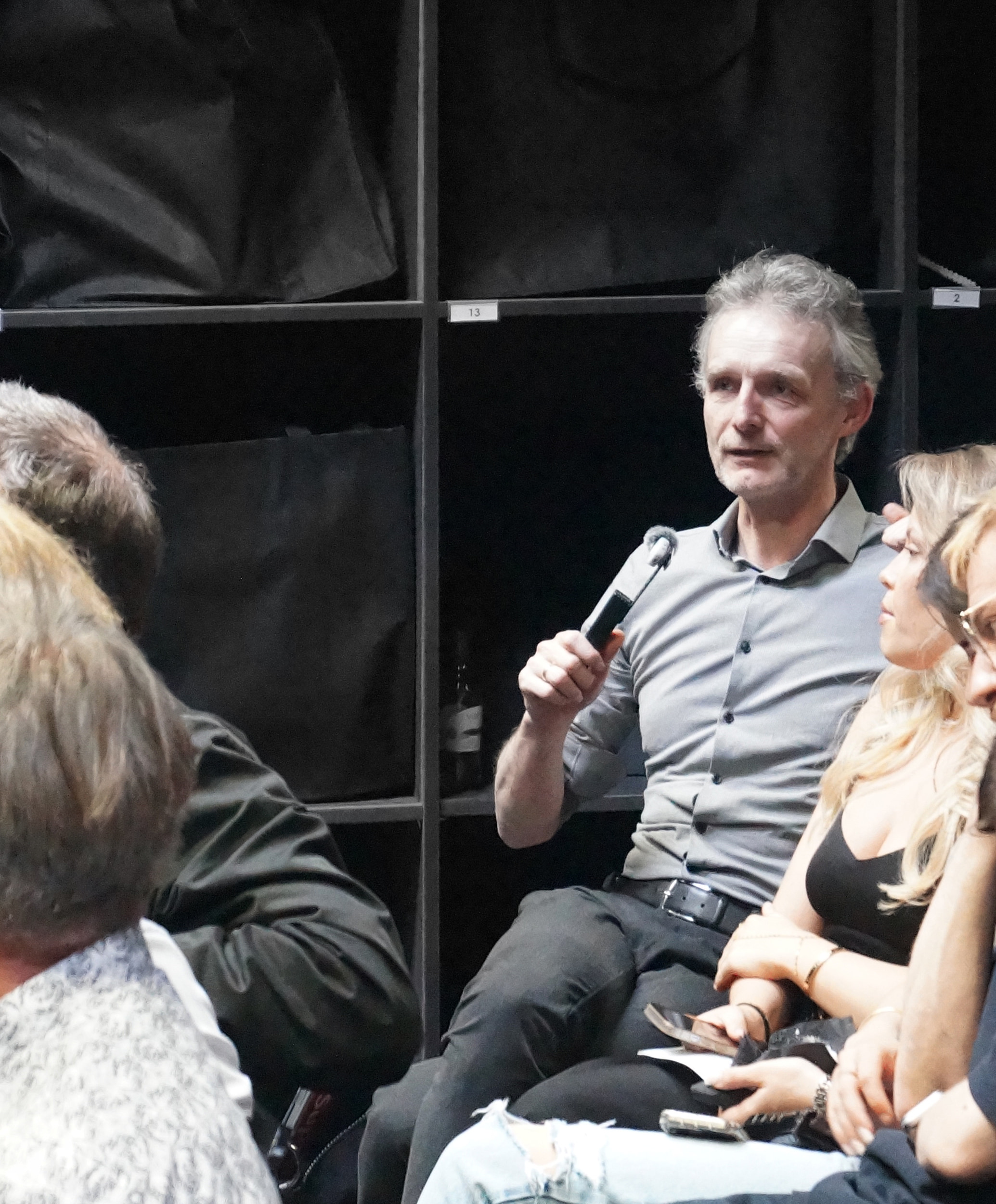
From the perspective of software development, rapid technological change was described as an experience now extending to many other professions. The ability to learn and adapt was identified as an important condition for taking part. The discussion also moved from individual tool use to its social framework. In one contribution, regulation and democratic institutions were presented as ways of shaping change and protecting those affected. Universities were assigned another task: to examine sensational accounts of the future and distinguish clearly between what technologies can actually do and what is merely attributed to them. The optimism being called for was thus an attitude of active engagement; it did not resolve the conflicts that had been raised.
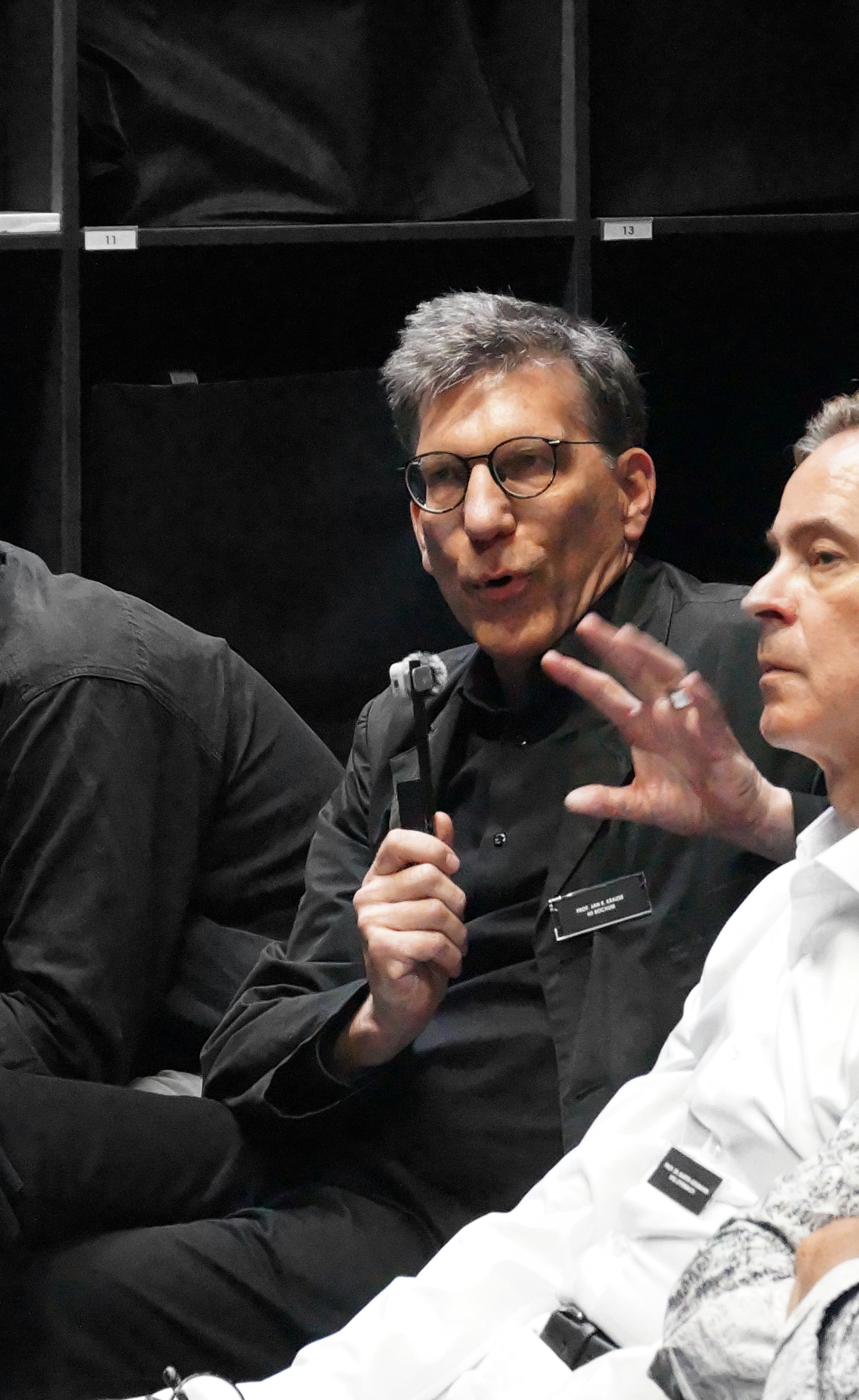
A contribution from independent architectural practice brought the relationship with the client into focus. Within the profession, it was generally easier to understand “that an AI-generated image is not a finished design”. Clients could not be assumed to recognise this distinction. When an apparently complete solution already exists as an image on a screen, architects must explain and defend the value of the design process anew. The concern therefore extended beyond the capabilities of the tools themselves to an expectation of quick solutions that can leave little room for the careful development of a project. Here, design quality became a matter of communication with the client.
Environmental impacts introduced an aspect that can recede into the background amid the fascination with new possibilities. Even an image generated casually requires technical infrastructure and computing power. The contribution called for these consequences to be considered when using AI. Another contribution described design as work on a stage for life: spaces and situations should respond to the vitality of change rather than reproduce the familiar again and again. AI appeared as a possible means of moving beyond entrenched patterns. Whether it could contribute to this remained a question of how it was used in design.
Towards the end, the conversation centred on how to engage responsibly with a technology that was already available and in use. The final reflection connected the obligation to allow new perspectives with responsibility for educating young people. Personal reservations did not preclude practical exploration of possible applications. The panel thus led to a task for further work: testing methods, investigating their consequences and developing one’s role as an architect or designer. This did not produce a shared assessment of every opportunity and risk. Continued engagement in practice, research and education remained an ongoing task.
Selected contributions from the main panel “Designing, responsibility and the role of AI in decision-making” at 17:50. Quotations translated from German.